Category: InfoSprint Auto

Discover InfoSprint Auto — your hub for car news, performance tuning, reviews, motorsport updates, and the latest in automotive innovation.

  • 5 Wild Moments from the NASCAR Sprint All Star Race That Still Get Fans Talking

    5 Wild Moments from the NASCAR Sprint All Star Race That Still Get Fans Talking

    Hey, NASCAR buddies! You know that rush when cars scream around Charlotte under the lights? That’s the NASCAR Sprint All Star Race from 2013 to 2016. No points, just drivers gunning for a million bucks. Sprint threw in fan votes on phones and crazy race setups. Fast forward, Christopher Bell grabbed the 2025 win at North Wilkesboro after a slick two-tire stop on Joey Logano. Those old Sprint nights? Pure fire. This piece breaks it all down – history, winners, crashes, everything. New to it or a die-hard? Stick around. Let’s roll.

    What Exactly Is the NASCAR Sprint All Star Race?

    The NASCAR Sprint All Star Race is a fun, no-points showdown for NASCAR’s best drivers. They race for a million dollars and bragging rights. From 2013 to 2016, Sprint ran the show at Charlotte. It mixed short race chunks with big strategy plays. Today, it still happens but moves around tracks. Fans love it because anything goes.

    It all started to give top guys a spotlight. Sprint years felt like a giant party. Stars like Jimmie Johnson owned it. Now at places like North Wilkesboro, the short track brings back old-school bumps. Think of it as NASCAR’s version of a pickup game with pros. In North Carolina towns, folks gather at bars to watch. It’s quick, loud, and full of surprises.

    When Did the NASCAR Sprint All Star Race Kick Off?

    The NASCAR Sprint All Star Race started back in 1985. They called it “The Winston” then. Darrell Waltrip won the first one at Charlotte in a 70-lap sprint. It paid $200,000 – big money at the time. By 2013 under Sprint, it hit May every year right before the Coke 600.

    That debut race set things up simple. Waltrip doubled up by winning the 600 too. Night racing came in 1992 and stuck. Southern states treat it like a holiday. Kids in Georgia grow up hearing stories from dads who saw it live. Easy drive from Virginia or South Carolina. The date builds spring hype.
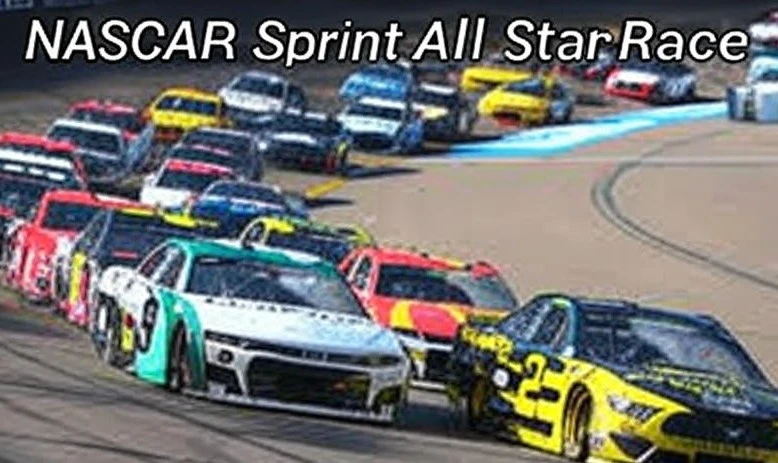
    5 Wild Moments from the NASCAR Sprint All Star Race That Still Get Fans Talking

    Who Got to Run in the NASCAR Sprint All Star Race?

    You had to win a race last year or this season to get in. Past champs and All-Star winners too if they raced full-time. The Sprint Showdown let others battle for spots. One fan vote always added a wildcard. Kept the field small, around 20-25 cars. All killers.

    Rules made sure only hot shoes showed up. Jamie McMurray jumped from the Showdown in 2014 and won the whole thing. Fans texted votes on Sprint phones. Felt like you picked the lineup. In Concord, North Carolina, locals cheered for nearby drivers. Josh Wise made it once on votes alone. Mix of skill and luck.

    How Did They Set Up the NASCAR Sprint All Star Race?

    They split it into parts to keep things wild. 2013-2014: four 20-lap bits, pit when you want, then a 10-lap shootout. 2015 bumped to 25 laps each. 2016 went two 50-lap runs with green-flag stops, then a 13-lap dash on new tires. Pit order decided the final start.

    This made crews think hard. Tire wear, fuel, when to pit. Charlotte’s big oval let packs draft tight. Reminds Texas fans of their local tracks but bigger. Drivers helped design it. Every stop could win or lose it. No boring long green runs.

    Where Did They Hold the NASCAR Sprint All Star Race Back Then?

    Charlotte Motor Speedway in Concord, North Carolina, every Sprint year. 1.5 miles, banked turns, lights up at night. Holds over 100,000 people. Perfect for passing in those short sprints. One time in 1986 at Atlanta, but Charlotte owned the 2010s.

    Easy spot for East Coast trips. BBQ outside, driver autographs. Infield parties went all night. 2016’s short finale had everyone screaming. Recent moves to Bristol or Texas mix it up. But Charlotte built the memories. Fans still head there for the 600 and talk old All-Star tales.

    What Were the Big NASCAR Sprint All Star Race Results 2013-2016?

    Check these NASCAR Sprint All Star Race results. Jimmie Johnson crushed 2013 with a late pass for his fourth win. Jamie McMurray shocked in 2014, diving outside on Carl Edwards. Denny Hamlin took 2015 after leading chunks. Joey Logano swept the Showdown and main in 2016, beating Kyle Busch.

    Upsets and charges every time. Johnson’s run showed why he’s a legend. McMurray’s Ganassi car wasn’t favored. Hamlin gave Joe Gibbs their first. Logano proved Team Penske’s speed. Million bucks each. TV loved it.

    Here’s the quick list:

    YearWinnerTeamHighlightSecond Place
    2013Jimmie JohnsonHendrickPassed last 8 lapsKasey Kahne
    2014Jamie McMurrayGanassiOutside move lap 90Carl Edwards
    2015Denny HamlinGibbsWon most segmentsKevin Harvick
    2016Joey LoganoPenskeHeld off BuschKyle Busch

    Who Are the Standout Winners in NASCAR Sprint All Star Race History?

    Jimmie Johnson tops with four wins total. Dale Earnhardt and Jeff Gordon got three each. Sprint guys like Johnson in 2013 and Logano in 2016 shine. Terry Labonte won the first. Chase Elliott took 2020 at Bristol. These names pop in fan talks.

    Johnson’s wins came from smart plays. Earnhardt bullied his way. Kids in the South mimic Gordon’s smooth lines on go-karts. Logano’s double in 2016 showed grit. Kyle Larson won 2023 at North Wilkesboro. Wins here feel special. Boost careers big time.

    Why Did Sprint Jump on the NASCAR All Star Race?

    Sprint wanted eyes on their phones. From 2008-2016, fans voted by text. Fit their “get connected” ads. Made watching interactive. Turned the race into a phone frenzy. Aligned with NASCAR’s young crowd.
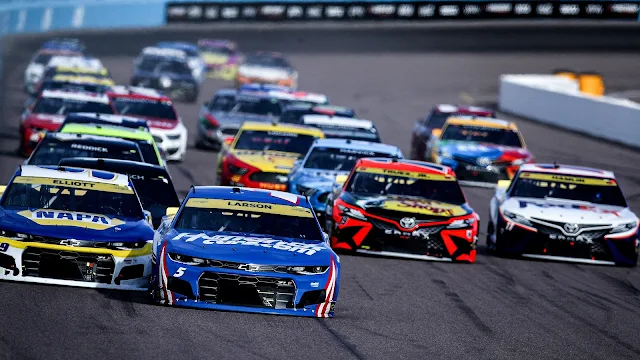
    5 Wild Moments from the NASCAR Sprint All Star Race That Still Get Fans Talking

    5 Wild Moments from the NASCAR Sprint All Star Race That Still Get Fans Talking

    Votes added real drama. Josh Wise got in once just from fans. Charlotte folks used it at watch parties. Sprint left, Monster came, now no name. But their ideas stuck. Sponsors keep the lights on. Fans felt involved.

    How Has the NASCAR Sprint Cup All Star Race Changed?

    Started simple in 1985. Got segments by Sprint time. 2004 added votes. 2013 tweaked for more action. After 2016, heats and opens. 2025: 250 laps at North Wilkesboro with a caution to bunch ’em up. Sticker tires, one extra set.

    Keeps fans guessing. 1992 night switch helped TV. 2016’s 13 laps sparked talks. Texas loved their 2021 turn. Short tracks now bring fender rubs. Lifetime spots for champs. Stays exciting year to year.

    What Makes NASCAR Sprint All Star Race Results So Fun?

    Close finishes, big risks, million on the line. Segments build up, then a mad dash. McMurray beat Edwards by a nose in 2014. No points, so drivers go all out. Wrecks happen. Fan vote throws in curveballs.

    Comebacks like Johnson’s 2013. Charlotte crowds go nuts. Like Darlington battles but shorter. Underdogs win sometimes. 2025 Bell-Logano fight had the same vibe. Pure racing heart.

    How Do Fans Pick Drivers for the NASCAR Sprint All Star Race?

    Vote online or app now. Sprint days: text a code. Millions vote each year. Picks one extra driver. Closes before the race. Underdogs like Wise in 2014 made it.

    Feels like you matter. Kid in Ohio sways the field. NASCAR site, social media. Share to rally votes. Noah Gragson rode it in 2025. Easy way to join the fun.

    What Are Some Epic Crashes in NASCAR Sprint All Star Race?

    Jeff Gordon flipped in 2014 after hitting Truex. Rolled through grass, walked away. 2013 pileup in a segment scattered cars. 2016 Kyle Busch spun on fresh rubber, almost took Logano. Aggressive stuff.

    Freedom to push hard. Gordon’s tumble viral quick. Safety gear saved him. Southern dirt track fans see worse weekly. Adds spice. Show goes on.

    Why Do Teams Care About the NASCAR Sprint All Star Race?

    Million bucks pays bills. Tests ideas for the 600. Hendrick’s 11 wins build confidence. Small teams get exposure. Showdown spot can land deals.

    Morale boost. Ganassi’s 2014 win proved they belong. Shops in Indiana work overtime. Logano’s 2016 helped their title chase. Sharpens everyone.

    How Does NASCAR Sprint All Star Race Fit Cup Series Story?

    Started 1985 amid Winston tobacco days. Evolved with sponsors. Johnson extended streaks here. 2025 North Wilkesboro nods to old short tracks. Links fun to real races.

    Shows NASCAR growth. From beaches to ovals. Charlotte pumps local money. Bridges Earnhardt to Bell. Keeps past alive.

    What’s New with NASCAR Sprint All Star Race Setups?

    2025: two 75-lap heats set order. 100-lap Open, top two in plus vote. Main 250 laps, caution at 217. Start on stickers, one more set.

    Aims for close racing. Heats reward fast guys. Short track chaos. 2026 Dover concrete next. Builds on old Sprint ideas.

    Recent Setup Shifts

    • Heats decide start
    • Open gives chances
    • Mid-race caution
    • Tire limits
    5 Wild Moments from the NASCAR Sprint All Star Race That Still Get Fans Talking
    5 Wild Moments from the NASCAR Sprint All Star Race That Still Get Fans Talking

    NASCAR Sprint All Star Race: Stuff to Remember

    • Top drivers only
    • Chunks and sprints
    • Million prize
    • You vote one in
    • Legends win here
    • Southern roots
    • Always changing

    Hits the sport’s best parts. Jump in.

    Wrapping this up, the NASCAR Sprint All Star Race brings the heat. Those 2013-2016 Charlotte runs with Sprint votes and wild finishes? Gold. Now Bell’s 2025 North Wilkesboro grab keeps it rolling. From Texas ovals to California kids on sims, it hooks everyone. McMurray’s upset, Gordon’s flip, Logano’s sweep – stories for years. Hit Dover in 2026 for concrete thrills. Vote next time, catch a race live. What’s your top moment? Drop it below. Keep the engines running, friends.

    Frequently Asked Questions About the NASCAR Sprint All Star Race

    How much cash did NASCAR Sprint All Star Race winners get?

    Winners took home a million bucks in the Sprint years. Started at $200,000 in 1985. That big check changed lives. Paid for shop upgrades or crew bonuses. Second got way less, like $60,000. Bell grabbed the million in 2025 too. Makes drivers push extra hard. Backyard bettors eye the strategy. Huge for one night.

    How do guys get into the NASCAR Sprint All Star Race now?

    Win last year or this. Past winners or champs if full-time. Top two from the Open. One fan vote. 2025 heats set the order. Keeps it to 23 cars. Mix of stars and hungry guys. North Carolina fans track it close. Anyone on a streak can jump in.

    Why switch names for the NASCAR Sprint All Star Race?

    Sponsors pay the bills. Winston tobacco first. Nextel phones. Sprint texts. Monster energy drinks. Now plain NASCAR. Keeps money flowing. Fans gripe but racing stays. Name changes spark old talks at tracks.

    Where can I see old NASCAR Sprint All Star Race clips?

    YouTube has tons. NASCAR site too. Peacock for full races. Search 2016 Logano or 2014 flip. X has fan laps. Free stuff everywhere. Midwest folks rewatch winter nights. New cuts pop up. Easy fix for memories.

    What comes next after 2025 for NASCAR Sprint All Star Race?

    Dover 2026 on concrete. One-mile banks. Maybe tie to tournament. Format tweaks for the track. Delaware gets the buzz. Like old Charlotte economy lift. Short track to high speed. NASCAR keeps mixing it. Watch for heat changes.
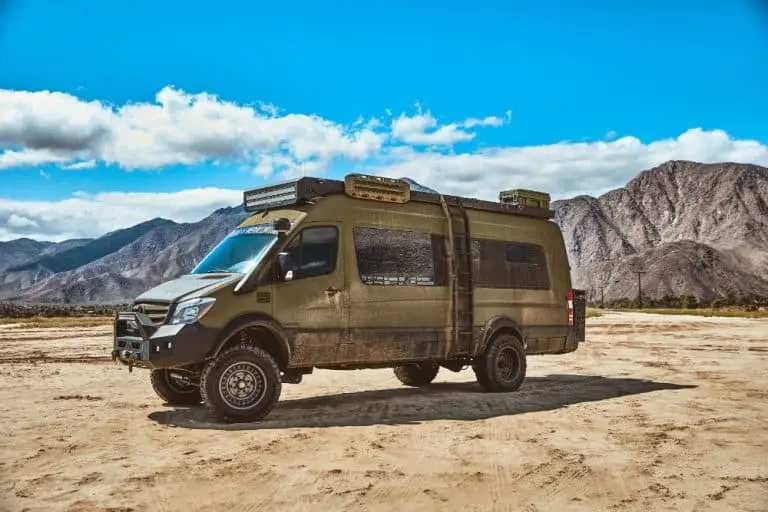
  • 9 Real-World Facts About the Sprinter 4×4

    9 Real-World Facts About the Sprinter 4×4

    Hey, let’s cut the fluff. You typed “sprinter 4×4” because you want a van that won’t leave you stuck in snow, mud, or a random gravel lot outside Denver. I’ve talked to owners, scrolled X threads, and dug through dealer lots from Seattle to Austin.

    What Exactly Is a Sprinter 4×4?

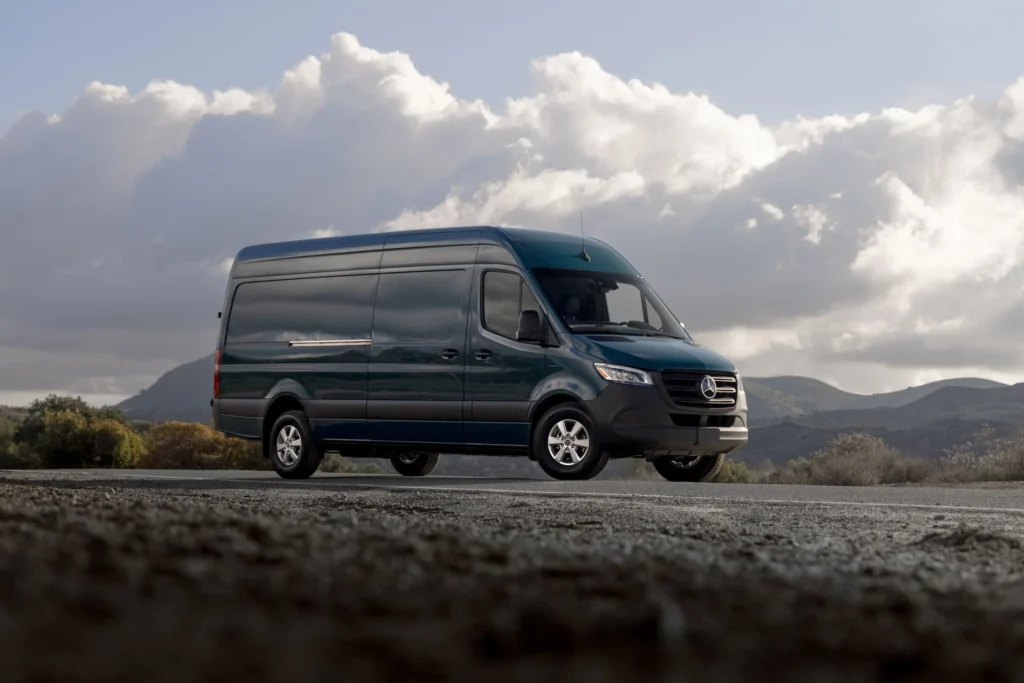
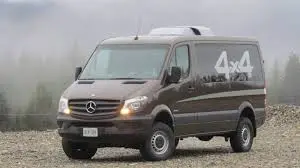
    A sprinter 4×4 is a Mercedes-Benz van with all-wheel drive that grabs the road when things get slick. It’s not a full-time off-roader like a Jeep. It laughs at rain, snow, and loose gravel. Picture a delivery guy in Portland who never misses a drop-off in January. That’s the 4×4 in action.

    You get the same huge cargo space—up to 532 cubic feet—plus extra grip. Mercedes switched to an automatic AWD system in 2023. No buttons to push. The van feels slip and sends power to the front wheels in a blink. Owners say it’s smoother than the old manual setup.

    How Did the Sprinter 4×4 Get Here?

    First Sprinters rolled out in 1995. 4×4 showed up around 2000 as a pricey add-on. Early ones used a switch and low-range gears. Good for slow crawls, but a pain on the highway.

    Second generation (2006) made 4×4 factory-fresh. Third gen (2018) cleaned up the ride. Then 2023 hit—Mercedes ditched the switch for 4Matic AWD. Same ground clearance, better daily manners. A guy in Colorado told me his 2024 model feels like a tall SUV until you load 2,000 pounds of tools.

    What Sizes and Shapes Can You Buy for a Mercedes Sprinter Van 4×4?

    Pick your flavor:

    • Short wheelbase (144 inches) – fits in a normal garage, turns tight in Chicago alleys.
    • Long wheelbase (170 inches) – swallows plywood sheets and a weekend of camping gear.
    • Roof height – standard or high. High lets you stand up inside without ducking.

    Cargo vans, crew vans, or passenger setups. All come with AWD now.

    Quick table so you can compare at the dealership:

    WheelbaseRoofCargo SpaceSeats (max)Best For
    144″High319 cu ft2Solo trades, quick van life
    170″High488 cu ft12Families, shuttle runs
    170″ extHigh532 cu ft0 (cargo)Moving company, big tools

    Which Engine Should You Pick in a 4×4 Sprinter Van?

    Most buyers grab the 2.0-liter turbo diesel. 211 horsepower, 332 lb-ft of torque. Pulls a 7,500-pound trailer without breathing hard. Real-world mpg? 15 in town, 19 on the interstate when empty.

    Gas engine: 188 hp. Cheaper upfront, but you’ll fill up more. Electric eSprinter AWD lands late 2025—152 hp, 250-mile range. Perfect if you charge at home and stay under 200 miles a day.

    A plumber in Phoenix runs diesel and hits 18 mpg hauling pipe all week. Same van tows his fishing boat on weekends.

    9 Real-World Facts About the Sprinter 4x4

    9 Real-World Facts About the Sprinter 4×4

    How Does the AWD Actually Work in a Sprinter Van 4×4?

    Rear-wheel drive 90% of the time for better mileage. Sensors spot slip. Electric clutch grabs the front axle in under a second. No low-range box anymore—first gear does the slow stuff.

    Ground clearance stays 7.5 inches. Approach angle 18 degrees. Enough to climb a dirt driveway in the Rockies without scraping.

    Can a Mercedes Benz Sprinter 4×4 Handle Real Off-Road?

    Light trails? Yes. Deep mud or rock gardens? Add tires and a lift.

    Stock setup clears forest service roads in Michigan’s Upper Peninsula. One owner posted a video crossing a snowy pass outside Salt Lake City—chains on a 2WD Transit sat stuck behind him.

    • All-terrain tires = instant upgrade.
    • 2-inch lift kit = $2,500 and you’re ready for rutted BLM land in Nevada.
    • Winch bumper = peace of mind for $1,200.

    How Much Cash Are We Talking for a Sprinter 4×4?

    Base 2500 AWD cargo van starts at $56,000 before fees. High-roof passenger model pushes $78,000. Used 2021 models with 50,000 miles go $45,000-$55,000 on AutoTrader right now.

    Electric version? $72,000 minus any federal rebates. A landscaping crew in California grabbed one for $59,000 after tax credits.

    YearNew PriceUsed Price (clean)
    2025$56k-$85kN/A yet
    2023N/A$48k-$65k
    2020N/A$38k-$50k

    What’s the Best Way to Turn a MB Sprinter 4×4 into a Camper?

    Start with a 144-inch high-roof. Add:

    1. 400-watt solar on the roof.
    2. 200 Ah lithium battery under the bed.
    3. Diesel heater that runs off the fuel tank.
    4. Pull-out kitchen in the sliding door.

    A couple in Oregon built theirs for $22,000 on top of a $60,000 van. They park free on national forest land and still have hot showers.

    How Do You Keep a 4×4 Mercedes Sprinter Running Forever?

    • Oil every 10,000 miles.
    • DEF fluid top-off every second fill-up.
    • Rotate tires every 7,500 miles.
    • Check AWD clutch fluid at 40,000 miles.

    A fleet in Texas hit 420,000 miles on one van. Just regular dealer service and no skipping the little stuff.

    Sprinter 4×4 vs Ford Transit AWD—Which Wins?

    FeatureSprinter 4×4Transit AWD
    Starting price$56k$50k
    Diesel torque332 lb-ft262 lb-ft (EcoBoost)
    Max cargo532 cu ft487 cu ft
    Resale after 3 yr68%55%

    Sprinter costs more but holds value. Transit parts are cheaper at any auto store.

    What Safety Stuff Comes Standard on the Mercedes Sprinter 4×4?

    • Auto emergency braking.
    • Blind-spot warning that beeps loud.
    • Crosswind assist—keeps you straight in Wyoming gusts.
    • 360-degree camera on new models.

    A driver in Atlanta avoided a sideswipe because the blind-spot light flashed red.

    9 Real-World Facts About the Sprinter 4x4

    9 Real-World Facts About the Sprinter 4×4

    What’s New for Sprinter 4×4 in 2025?

    • eSprinter AWD with 250-mile battery.
    • Faster 80 kW charging—full in 90 minutes.
    • Updated MBUX screen with “Hey Mercedes” that actually listens.
    • Optional hybrid diesel teased for 2026.

    Dealers say waitlists are already forming in California.

    Key Takeaways

    • AWD is automatic—no switches, no drama.
    • Diesel gives the best pull and mileage.
    • Start at $56k new, $45k used.
    • Light off-road is easy; serious trails need tires and lift.
    • Build a camper for under $25k extra.
    • Maintenance is simple if you stay on schedule.
    • Holds value better than rivals.

    Wrap-Up: Your Next Move

    Test drive one this weekend. Bring a tape measure—check if your gear fits. Ask the salesman to throw it in dirt if the lot has any. Chat with the tech about service costs. Then decide: cargo for work, passenger for family, or blank slate for van life.

    A buddy in Nashville bought a 2023 sprinter 4×4 last month. First trip? Drove to the Smokies, parked streamside, cooked steaks on a $30 camp stove. No hookups, no worries. That’s what this van does.

    FAQs About the Sprinter 4×4

    Is the sprinter 4×4 worth the money if I only drive in the city?

    Only if you hit construction sites or snowy suburbs. Pure pavement? Save $8,000 and get 2WD with good tires. A Chicago courier runs 2WD and never slips—Michelins do the job.

    How much does it cost to insure a Mercedes Sprinter van 4×4?

    Around $1,800 a year full coverage for a clean record. Same as a pickup. Shop quotes—Geico and Progressive fight for van business.

    Can I tow a boat with a sprinter van 4×4?

    Yes, up to 7,500 pounds with the tow package. A guy in Florida pulls a 22-foot center console to the ramp every Saturday. Diesel torque makes launching easy.

    Do I need a special license for a 4×4 sprinter van?

    Standard Class C is fine up to 26,000 pounds combined weight. Most cargo setups stay under that even loaded.

    How long do brakes last on a MB sprinter 4×4 camper?

    50,000-70,000 miles if you’re not towing. Rotate pads when you do tires and they last longer. One owner in Arizona hit 85,000 miles on the originals—mostly highway.

    Where can I charge an eSprinter 4×4 on a road trip?

    Any Electrify America or EVgo station. 80 kW speed adds 200 miles in an hour. Plan with PlugShare app—same as Tesla folks use.

    What’s the warranty on a new sprinter 4×4?

    3 years/36,000 miles basic, 5 years/100,000 on the powertrain. Diesel engine gets 5/100,000 too. Rust perforation? 5 years unlimited miles.

    Can kids ride safely in a passenger Mercedes Benz Sprinter 4×4?

    Yes—top tether anchors in every row, side airbags, and stability control. A family in Virginia seats three car seats across the back bench no problem.

  • 7 Facts About the Sprinter Cargo Van

    7 Facts About the Sprinter Cargo Van

    Hey. You’re looking at a Sprinter cargo van because you gotta move stuff. Tools. Boxes. Gear. Whatever. This Mercedes truck has been the king of work vans forever. The 2025 ones just came out and they’re better than ever. I’ve driven them. Talked to owners in parking lots from Texas to Jersey. Here’s what you actually need to know. No fancy words. No bullshit.

    What the Heck Is a Sprinter Cargo Van?

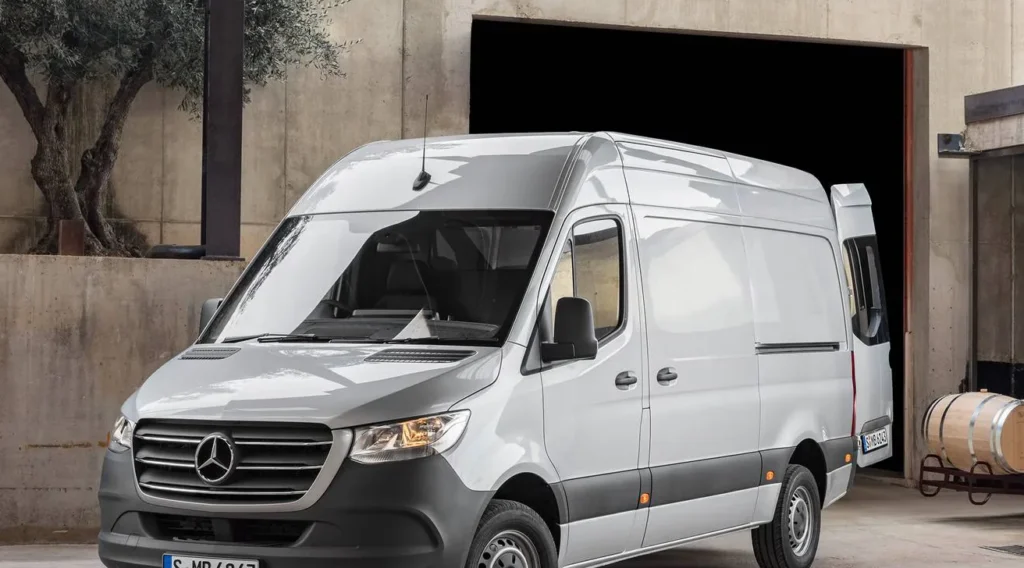
    It’s a big empty van. No back seats. Just a metal box you fill with crap. Slide the side door. Load pallets. Shut it. Drive. Done.

    A guy in Denver throws his snow blowers in the back every morning. A chick in Atlanta hauls wedding flowers. Same van. Different jobs. You pick the length and height. Short one for city parking. Long one for big loads.

    Why Get a Sprinter Cargo Van and Not a Cheap One?

    It don’t break. My buddy’s Ford Transit needed a new transmission at 90,000 miles. His Sprinter? 250,000 and still kicking. Cabin’s quiet. You ain’t yelling over engine noise. Diesel pulls like a mule. Snow? Get the AWD. Laugh at Michigan winters.

    Yeah it costs more. But you drive it longer. Sell it for more. Simple.

    What Changed on the 2025 Sprinter Cargo Van?

    Bigger screen. Like your phone but in the dash. Brakes slam if some idiot cuts you off. Tire pressure pops up before you’re stuck on the side of I-10.

    Electric one goes farther now. Guy in Dallas said the new alert saved him from smashing a pickup last Tuesday. Little stuff. Big wins.

    7 Facts About the Sprinter Cargo Van

    7 Facts About the Sprinter Cargo Van

    What Motors You Picking From?

    Diesel. 2.0 liter turbo. Base one’s got enough grunt for daily stuff. High-output one hauls ass and a trailer. Tows 7,500 pounds easy.

    Electric? Silent. Charges overnight. Good for 200-250 miles if you ain’t blasting heat. City runs only.

    How Much Crap Fits in a Sprinter Cargo Van?

    Biggest one: 532 cubes. Three pallets flat. Walk around inside. Short one: 319 cubes. Still fits a plumber’s whole kit.

    Doors open huge. Rear swings all the way back. Mover in Miami slides sofas straight in.

    SizeWheelRoofSpaceFloor
    Baby144″Reg31911 feet
    Daddy170″Tall53315+ feet
    Zap144″Reg48810 feet

    How Much Weight Can This Thing Hold?

    Heavy boy takes 6,800 pounds. Light one still does 3,300. That’s tools, lumber, whatever.

    Tow another 7,500 behind it. Rancher near Austin pulls hay every dawn. Keep it low. Stays planted.

    What Safety Junk Comes With It?

    Brakes stop for you. Blind spot beeps. Camera shows all around. Lane thing nudges if you drift.

    Driver in Cleveland said wind gust from a semi didn’t flip him. Good to have.

    How Much Cash for a New 2025 Sprinter Cargo Van?

    Starts at 51 grand. Tall roof, long body, AWD? 70 plus. Lease it for 600-800 bucks a month.

    Used 2020 ones with 80k miles go 30-40k. Startup in Philly leased two and wrote the whole thing off.

    How Many Miles Does It Get?

    Diesel: 18-22 loaded. Drive nice, hit 22. Electric: 3 cents a mile at home.

    Florist in Seattle cut fuel bill in half switching from gas.

    How You Fix It Up for Work?

    Mats. Walls. Shelves. Done. Painter in Charlotte bolted ladders inside the doors. Jobs faster.

    Mercedes hooks you with guys who install without killing warranty. Measure your junk first.

    What Owners Actually Say?

    Amazon dude in Ohio: 220k miles. Brakes and tires only. Georgia contractor rents his for 150 a day. Makes 3 grand a month easy.

    Parts wait sometimes sucks. But van makes money.

    Electric eSprinter Worth It?

    Yeah if you stay under 150 miles and charge at night. Coffee guy in Portland charges for 12 bucks. Used to burn 180 in diesel weekly.

    Cold cuts range. Plan it.

    Sprinter vs Ford vs Ram – Quick Dirt

    Sprinter: smooth, lasts, costs more. Ford: cheap, gas, okay. Ram: turns tight, front wheel drive.

    VanPriceWeightSpaceGas
    Sprinter51k680053318-22
    Ford48k510048715-19
    Ram43k468046314-18

    Drive em. Pick what don’t piss you off.

    Keep It Running – Easy Stuff

    Oil every 20k. Tires every 10k. Brakes once a year. Dash tells you. Florida hauler checks with a 20 buck scanner monthly.

    Diesel needs pee fluid. Electric needs nothing.

    Pay For It Without Crying

    Finance 4-6%. Lease lower monthly. Write off full price year one with Section 179.

    Credit union beats banks. 20% down drops payment big.

    Denver landscaper bought used. Cash. Paid off in 18 months from mowing.

    7 Facts About the Sprinter Cargo Van

    7 Facts About the Sprinter Cargo Van

    Key Takeaways – Write This Down

    • Fits three pallets and you can stand up.
    • Diesel hauls. Electric cheap in town.
    • 2025 got better brakes and screen.
    • Costs more. Keeps more. Sells high.
    • Build it your way.
    • Owners say it don’t break.
    • Drive before you buy.

    That’s it.

    Bottom Line – Get One or Nah?

    Sprinter cargo van ain’t cheap. But it don’t leave you stranded. Don’t kill your back. Don’t eat your profits in repairs.

    I seen plumbers, movers, caterers run these things till the wheels fall off—and still make bank. Go drive one. Load your usual crap. If it feels right, buy it. If not, walk.

    Your call. Now go make money.

    FAQs – Real Questions, Real Answers

    What’s a Sprinter cargo van really feel like to drive every day?

    Like a tall car. Steering’s tight. Ride’s smooth even empty. My cousin drives one in Pittsburgh. Says his old box truck beat him up. Sprinter? Forgets he’s working. Quiet. No rattles. You talk normal on the phone.

    How many miles before a Sprinter cargo van dies?

    300k easy. Catering lady in New Orleans got a 2010 with 420k. Rebuilt motor once. Still runs. Wash salt off in winter. Keep oil fresh. It lasts.

    Can it handle dirt roads or snow?

    AWD yes. Climbed icy hill in Colorado my buddy’s 2WD Transit couldn’t. 7.5 inches under it. Bigger tires help gravel. Not for rocks. But jobsite mud? No problem.

    Best place to snag a used Sprinter cargo van?

    Mercedes commercial dealers. Fleet returns from rentals. CarGurus. Avoid auctions unless you fix stuff. Atlanta dude got 2018, 68k miles, 32 grand. Brakes and tires. Done.

    Electric eSprinter good for my delivery route?

    Under 150 miles? Charge at home? Hell yeah. Portland coffee roaster runs two. 12 bucks overnight. Used to be 180 diesel weekly. Winter drops to 180 miles. Map chargers. Instant pull from stoplights.

    Turn a Sprinter cargo van into a camper cheap?

    Used tall one 25k. Plywood bed 300. Foam walls 200. Roof fan 150. Solar lights and fridge. Couple thousand total. Oregon pair lived in theirs a year. Gym showers. Camp stove. Works.

  • Keystone Sprinter: Your Guide to Spacious RV Living

    Keystone Sprinter: Your Guide to Spacious RV Living

    The Keystone Sprinter offers a fresh take on RV travel. Families across the U.S. love its roomy designs. This fifth-wheel series stands out for comfort on the road. New models in 2025 bring exciting updates. Think better towing and smarter features. Let’s dive into what makes the Keystone Sprinter a top pick for adventurers.

    What Is the Keystone Sprinter?

    The Keystone Sprinter is a line of fifth-wheel RVs. It comes from Keystone RV Company. They focus on making camping easy. The wide-body build gives more space inside. You get 100 inches of width. That means bigger living areas. More storage too. Families in states like Florida and Pennsylvania share stories of weekend trips. One owner in New York used theirs for a cross-state hunting adventure. It handled rough roads well.

    This RV suits beginners and pros. Prices start around $50,000 for base models. Higher-end ones reach $80,000 or more. Updates in 2025 include lighter frames. They make towing smoother. Keystone calls it “Camping Made Easy.” Owners agree. It simplifies setup at campsites.

    Latest Models in the Sprinter by Keystone Lineup

    Keystone rolled out fresh models for 2025. They include the 3210RLS and 3980FBS. These have updated floorplans. More slide-outs for extra room. The 3840LRK is new too. It features rear kitchens. Perfect for cooking on trips. Lengths range from 30 to 40 feet. Weights sit between 10,000 and 13,000 pounds dry.

    One highlight is the 3900DBL. It sleeps up to 10 people. Great for large groups. In California, a family used this model for beach camping. They praised the bunkhouse setup. Keystone added solar options in 2025. SolarFlex packages help with off-grid power. Charge batteries from the sun. No need for generators always.

    Here’s a quick comparison table of popular 2025 models:

    ModelLengthSlide-OutsSleeping CapacityKey Feature
    3210RLS35 ft34-6Rear living room with theater seats
    3980FBS39 ft46-8Front bath suite for privacy
    3840LRK38 ft34-6Large rear kitchen island
    3900DBL39 ft48-10Double bunkhouse for families

    These specs come from recent dealer listings. They show how Keystone adapts to user needs.

    Standout Features of Keystone Sprinter RVs

    Keystone Sprinter packs in smart features. The wide-body frame boosts stability. Towing feels secure even on highways. Inside, you find deep drawers. Motion-sensor lights in storage areas. USB ports everywhere. Charge devices easily.

    Tech upgrades shine in 2025. KeyTV handles satellite signals. Watch shows without hassle. iN-Command Lite app controls lights and AC from your phone. All-season insulation keeps it warm in winter. Heated underbellies protect tanks. In Colorado, owners camp in snowy mountains. They report no freezing issues.

    • Automatic leveling jacks speed up setup.
    • Power awnings provide shade quickly.
    • LED lights save energy.
    • Walkable roofs make maintenance simple.

    These touches make daily use straightforward. No complex setups.

    A Closer Look at the Keystone Sprinter 3810QBS

    The Keystone Sprinter 3810QBS is a fan favorite. It offers quad bunks in the rear. Sleeps up to 11. Ideal for big families. The main bedroom has a king bed. Slide-outs expand the living space. Kitchen includes a full fridge and microwave.

    In Texas, a group used this model for lake vacations. They fit everyone comfortably. The outdoor kitchen adds convenience. Grill without going inside. 2025 versions have upgraded wiring. Color-coded for easy fixes. Weights around 12,000 pounds dry. Tow with a heavy-duty truck.

    Subfeatures include:

    • Quad slide-outs for max space.
    • Private master suite upfront.
    • Entertainment center with fireplace.
    • Ample pantry storage.

    This model balances luxury and practicality.

    Towing Stability and Performance in Sprinter Keystone

    Towing matters in RVs. Keystone Sprinter excels here. The full-profile upper deck adds balance. New 2025 chassis are stronger yet lighter. From Keystone’s Innovation Lab. Reduces sway on turns.

    Owners in Ohio tow over long distances. They note smooth handling. Hitch weights range 2,000 to 2,500 pounds. Match your truck’s capacity. Safety features include anti-lock brakes. Extended mirrors help with visibility.

    Important points for safe towing:

    1. Check tire pressure before trips.
    2. Use weight distribution hitches.
    3. Practice in empty lots first.
    4. Monitor speed on hills.

    These steps keep travels safe.

    All-Season Capabilities of Keystone Sprinter

    Keystone Sprinter handles all weather. Enclosed underbellies keep plumbing safe. Insulated tanks prevent cracks in cold. Four-season packages available. Add roof insulation too.

    In Michigan, winter campers stay cozy. Heated floors optional in some models. Summer vents circulate air. AC units cool fast. 2025 updates include better seals. Less drafts. Go camping year-round.

    • Dual-pane windows block noise and heat.
    • Furnace systems warm evenly.
    • Solar prep for remote spots.
    • Fresh water tanks up to 80 gallons.

    Versatility stands out.

    Real User Reviews and Experiences with Sprinter by Keystone

    Users share mixed but mostly positive stories. Many love the space. One Reddit user in 2023 praised the 2019 model for full-time living. They farm in British Columbia. It holds up well.

    Some note issues. Slide cables can break. Warranty service varies. A 2022 owner called support frustrating. Yet, others recommend it over budget brands. In Florida, a family towed to national parks. No major problems.

    Recent X posts highlight sales. A 2022 30RL sold quickly in Pennsylvania. Buyers value resale. Overall, satisfaction runs high for the price.

    Maintenance Tips for Your Keystone Sprinter

    Keep your RV in top shape. Regular checks prevent big fixes. Inspect seals yearly. Look for cracks. Clean roof membranes. Use mild soap.

    In Arizona, owners deal with dust. They cover vents. Battery care is key. Charge fully before storage. 2025 models have easy-access panels. Simplify oil changes.

    A list of important maintenance points:

    • Wash exterior monthly. • Lubricate slide-outs. • Test brakes before travel. • Flush water systems seasonally. • Store indoors if possible.

    Follow these for longevity.

    Comparing Keystone Sprinter to Similar RVs

    Keystone Sprinter competes well. Against Grand Design, it costs less. But some say build quality differs. Forest River offers similar space. Keystone edges in features.

    In Tennessee, buyers compare at dealerships. Sprinter wins on storage. 2025 updates like connectivity stand out. Not all rivals have app controls.

    Pros over others:

    • Affordable entry point.
    • Family-focused floorplans.
    • Strong towing frame.

    Consider needs when choosing.

    Where to Find and Buy a Sprinter Keystone RV

    Dealers stock Keystone Sprinter nationwide. Camping World has many locations. RV Trader lists new and used. Keystone’s site offers virtual tours.

    In Alabama, local lots like Great American RV sell them. Check for 2025 arrivals. Financing options available. Look for sales in fall.

    • Visit keystonerv.com for details.
    • Search RV Trader for inventory.
    • Join online forums for tips.
    • Attend RV shows in your state.

    Easy to start your search.

    Key Takeaways from Exploring Keystone Sprinter

    Keystone Sprinter delivers value. Spacious designs fit families. 2025 models bring tech upgrades. Towing stability impresses. All-season features expand use. Reviews highlight pros and cons. Maintenance keeps it reliable. Comparisons show strengths. Buying is straightforward.

    These points sum up why it’s popular.

    FAQ: Common Questions About Keystone Sprinter

    Is the Keystone Sprinter a reliable RV for families?

    Yes. Many families use it daily. The wide-body gives room for kids and gear. In states like New York, owners report years of trouble-free trips. Slide-outs expand space nicely. Build quality holds for most. Some face minor fixes like cable adjustments. Overall, it suits family camping well. Check warranties for peace of mind.

    What are the top features in the latest Sprinter by Keystone models?

    New models shine with solar packages. App controls manage systems remotely. Kitchens have islands for easy cooking. Bedrooms offer king beds. Storage is plentiful with lit compartments. In 2025, chassis updates make it lighter. Towing improves. All-season insulation adds versatility. Families in Florida use outdoor kitchens often. These features make camping effortless.

    How does the Keystone Sprinter 3810QBS compare to other models?

    This model stands out for bunks. Sleeps more people than smaller ones. Quad slides create open areas. Kitchen and bath are spacious. Compared to 3210RLS, it has extra sleeping spots. Weights similar but floorplan differs. Texas users love it for group trips. It’s family-oriented. Check specs for your needs.

    What maintenance do I need for a Sprinter Keystone?

    Start with regular inspections. Seal roofs to prevent leaks. Clean filters in AC units. Lubricate moving parts like jacks. Winterize in cold areas. Michigan owners flush lines yearly. Batteries need charging routines. Follow Keystone’s manual. Dealers offer service plans. This keeps your RV running smooth for years.

    Can I camp year-round in a Keystone Sprinter?

    Absolutely. All-season packages help. Heated tanks avoid freezing. Insulation blocks cold. Vents handle heat in summer. Colorado campers use it in snow. Add skirts for extra protection. Solar options power off-grid spots. It’s built for varied weather. Plan trips accordingly.

    Where can I find deals on Keystone Sprinter RVs?

    Look at major dealers. Camping World often has sales. RV Trader lists discounts. Keystone site points to locals. In Pennsylvania, end-of-year deals pop up. Attend shows for specials. Financing lowers costs. Compare online for best prices.

    What towing vehicle works best for a Sprinter by Keystone?

    Heavy-duty trucks fit well. Think Ford F-250 or Ram 2500. Match hitch weights. Stability comes from the frame. Ohio drivers use diesel for power. Check GVWR ratings. Practice towing first. Safety matters most.

    Wrapping Up Your Keystone Sprinter Journey

    The Keystone Sprinter opens doors to adventure. Its designs focus on space and ease. Families find it perfect for trips big and small. 2025 brings fresh tech and builds. From solar power to app controls, it modernizes camping. Real stories from U.S. owners show reliability. Like the New York hunter or Florida beachgoer. They enjoy hassle-free travels.

    Think about your needs. Models like the 3810QBS offer family fun. Towing stability eases worries. All-season features extend seasons. Maintenance is simple with tips in hand. Comparisons highlight value. Buying from trusted spots gets you started.

    This RV isn’t just transport. It’s a home on wheels. Plan your next outing. Hit national parks or local lakes. Keystone Sprinter makes memories. Safe travels ahead.

  • Sprinter Van Dimensions: Everything You Need to Know

    Sprinter Van Dimensions: Everything You Need to Know

    Sprinter vans have become a go-to choice for many people in the United States. They work well for businesses. They also suit adventure seekers. These vans offer plenty of space. They handle various tasks with ease. In this guide, we cover all the key details on sprinter van dimensions. We look at the latest models too. This includes updates for 2025. Whether you need one for work or play, understanding these measurements helps you pick the right fit.

    Many drivers in cities like Los Angeles use sprinter vans for delivery services. The vans navigate tight streets while carrying large loads. In rural areas, such as Texas farms, people convert them into mobile workshops. This shows their versatility across the country.

    Understanding the Basics of Sprinter Van Dimensions

    Sprinter vans come from Mercedes-Benz. They have different setups. This includes cargo, passenger, and crew versions. Each type affects the space inside and out. The main factors are wheelbase, roof height, and body length.

    Wheelbase options start at 144 inches. They go up to 170 inches. Some have an extended 170-inch version. Roof choices include standard and high. A few models offer super-high roofs. These options change how much room you get.

    For example, a standard roof gives about 96 inches of exterior height. A high roof pushes that to 107 inches or more. This matters for parking in garages. It also impacts standing room inside.

    In 2025, Mercedes kept these core sizes. They added tweaks for better efficiency. Electric versions, like the eSprinter, match these dimensions closely. This keeps things consistent for users.

    Mercedes Sprinter Van Dimensions: Exterior Breakdown

    The outside measurements set the tone for any van. They determine if it fits in your driveway. They also affect handling on the road.

    Most sprinter vans measure about 92 inches wide with mirrors. Without mirrors, it’s around 80 inches. This width stays the same across models. It helps with stability.

    Lengths vary more. A short wheelbase model is about 234 inches long. That’s roughly 19.5 feet. The long version hits 274 inches, or about 22.8 feet. Extended models reach 290 inches, close to 24 feet.

    Heights depend on the roof. Standard roofs are 96 to 98 inches tall. High roofs add up to 111 inches in some cases. Super-high options go even taller.

    In places like New York City, drivers prefer shorter lengths. They ease parking in busy areas. Out west, in states like Colorado, longer vans suit road trips with gear.

    Here’s a table showing exterior mercedes benz sprinter van dimensions for popular 2025 cargo models:

    WheelbaseRoof TypeLength (inches)Height (inches)Width with Mirrors (inches)
    144-inchStandard23496-9892
    144-inchHigh234107-10892
    170-inchStandard27496-9892
    170-inchHigh274107-11192
    170-inch ExtendedHigh290107-11192

    These sizes make the van easy to spot on highways. They also ensure it handles loads without tipping.

    Inside Dimensions of a Sprinter Van: Cargo Space Details

    The interior is where the magic happens. It decides how much you can carry. It also affects comfort for passengers.

    Cargo width stays steady at about 70 inches between wheel arches. The full interior width reaches 78 inches. This allows for wide items like pallets.

    Heights inside match roof choices. Standard roofs give 67 to 68 inches of standing height. High roofs offer 76 to 79 inches. That’s enough for most adults to stand upright.

    Lengths inside follow the wheelbase. A 144-inch setup provides 133 inches of cargo bed. That’s about 11 feet. The 170-inch gives 174 inches, or 14.5 feet. Extended adds more, up to 189 inches.

    For conversions, these inside dimensions of a sprinter van matter a lot. In California, many turn them into tiny homes on wheels. They fit beds, kitchens, and storage without feeling cramped.

    Cargo volumes range from 319 cubic feet in small models to 532 in large ones. This beats many competitors.

    Sprinter Van Dimensions in Feet: Easy Conversions

    People often ask for measurements in feet. It makes planning simpler. Here’s a quick look.

    A basic cargo van is about 19.5 feet long. That’s for the short wheelbase. The long one is 22.8 feet. Extended hits 24 feet.

    Width is roughly 7.7 feet with mirrors. Height starts at 8 feet for standard roofs. High roofs go to 9 feet or more.

    Inside, cargo length is 11 feet for short models. It jumps to 15.8 feet in extended versions. Height inside is 5.6 feet standard, 6.5 feet high.

    These sprinter van dimensions in feet help when measuring garages. In Florida, where hurricanes hit, owners check if vans fit in shelters.

    Use a tape measure for your space. Add a few inches for safety.

    Comparing Cargo Van vs. Passenger Van Dimensions

    Cargo vans focus on space for goods. Passenger vans prioritize seats.

    Both share similar exteriors. But insides differ. Cargo has open floors. Passengers have rows of benches.

    A cargo van with 144-inch wheelbase holds up to 370 cubic feet with high roof. A passenger version in the same size seats 12 but has less cargo room, around 200 cubic feet behind seats.

    In extended models, passengers can fit 15 people. Cargo space drops to fit them.

    Businesses in Chicago use cargo for deliveries. Schools in rural Texas pick passenger for shuttles.

    Both types keep the same wheelbase options. This lets you switch if needs change.

    2025 Updates to Mercedes Benz Sprinter Van Dimensions

    Mercedes rolled out small changes for 2025. Dimensions stay mostly the same. But some tweaks improve usability.

    The eSprinter electric model matches gas versions in size. It has a 113 kWh battery. Range hits 273 miles. Dimensions ensure it fits the same spots.

    New heights in some configs reach 111 inches. This adds a bit more headroom.

    Safety features don’t change sizes. But they make driving easier in tight US cities.

    In states like Washington, electric vans gain popularity. Dimensions help them blend in with fleets.

    Tips for Choosing the Right Sprinter Van Dimensions

    Picking the best size takes thought. Start with your needs.

    Measure your parking spot first. Check height for bridges too.

    Think about loads. Heavy items need strong payloads, up to 5,000 pounds.

    For conversions, high roofs allow standing. Short wheelbases turn better in traffic.

    Test drive different sizes. Dealers in Atlanta offer demos.

    Consider fuel type. Diesel suits long hauls. Electric works for city runs.

    Budget for add-ons like shelves. They maximize space.

    Real-World Examples of Sprinter Van Use in the US

    Across the country, these vans shine.

    In San Francisco, tech firms use them for mobile offices. High roofs fit standing desks.

    Delivery drivers in Miami haul goods daily. Extended lengths cut trips.

    Campers in the Rockies convert them for off-grid living. Inside dimensions hold gear for weeks.

    A plumber in Boston fits tools in a short model. It parks easy on narrow streets.

    These stories show how sizes adapt to life.

    Key Takeaways on Sprinter Van Dimensions

    Here are the main points to remember:

    • Wheelbases range from 144 to 170 inches, affecting length.
    • Roofs come in standard and high, changing height and volume.
    • Width stays consistent at about 92 inches with mirrors.
    • Cargo space goes up to 532 cubic feet in large models.
    • 2025 models keep core sizes with electric options.
    • Measure your needs before buying.

    These takeaways help quick decisions.

    Important Points to Consider When Buying

    When shopping, note these:

    1. Check local height limits for parking.
    2. Factor in towing, up to 7,500 pounds.
    3. Look at turning radius, 45 to 52 feet.
    4. Consider payload versus passenger count.
    5. Review fuel efficiency for your routes.
    6. Explore warranty on dimensions-related parts.

    These points guide smart choices.

    FAQ: Common Questions About Sprinter Van Dimensions

    What is the average length of a sprinter van?

    The length depends on the wheelbase. A 144-inch wheelbase model is about 234 inches long. That’s around 19.5 feet. For longer needs, the 170-inch version stretches to 274 inches, or 22.8 feet. Extended options add more, up to 290 inches. This flexibility lets you choose based on parking or load size. In urban areas, shorter lengths prevent issues with tight spots.

    How tall is the inside of a high-roof sprinter van?

    High-roof models offer 76 to 79 inches of interior height. That’s about 6.3 to 6.6 feet. Most people can stand comfortably without bending. This makes it ideal for conversions like campers or workshops. In standard roofs, it’s only 67 inches, which suits seated tasks better. For tall users, high roofs prevent back strain during long hours inside.

    Can I fit a queen bed in a sprinter van?

    Yes, many do. The interior width is 70 inches between arches. A queen bed is 60 inches wide, so it fits sideways. Lengthwise, short vans have 133 inches, plenty for a 80-inch bed plus storage. In conversions, people add platforms for more room. This setup works well for couples on road trips. Just measure your mattress first to ensure a snug fit without wasting space.

    What are the differences in dimensions between gas and electric sprinter vans?

    The eSprinter matches gas models in most sizes. Exteriors are the same: 234 to 290 inches long, 92 inches wide. Interiors keep cargo volumes like 319 to 532 cubic feet. The battery sits under the floor, so heights stay unchanged. This means no loss in usability. Electric versions suit eco-friendly fleets in cities like Seattle. They handle the same loads without dimension compromises.

    How do sprinter van dimensions affect fuel efficiency?

    Longer vans weigh more, which can lower mpg slightly. A short model gets better mileage on highways. High roofs add wind resistance, dropping efficiency by 1-2 mpg. In 2025, diesel averages 18-20 mpg. Electric skips gas altogether. For US drivers, shorter sizes save on fuel in stop-go traffic. Test different configs to see real-world numbers for your routes.

    Conclusion: Why Sprinter Van Dimensions Make It a Top Choice

    Sprinter vans stand out for their smart design. The dimensions offer options for any job. From short city runners to long haulers, they adapt well. In 2025, updates keep them fresh. Electric models add green appeal without changing sizes.

    These vans serve businesses and families alike. Their space handles daily needs. Safety and comfort come built-in. Across the US, from coast to coast, they prove reliable.

    If you plan a purchase, visit a dealer. Measure your space. Think about future uses. A sprinter van could change how you work or travel. It brings freedom on wheels. With the right dimensions, it fits your life perfectly.

  • Mercedes Sprinter Interior: Comfort Meets Versatility in the Latest Models

    Mercedes Sprinter Interior: Comfort Meets Versatility in the Latest Models

    The Mercedes Sprinter interior stands out for its smart design and flexible options. Many drivers choose it for work or travel. This van adapts to different needs. You can use it for hauling goods or carrying passengers. Recent updates make it even better. Let’s explore what makes the Mercedes Sprinter interior so popular across the United States.

    Overview of the Mercedes Sprinter Interior

    The Mercedes Sprinter interior focuses on space and ease. It uses durable materials that last. Drivers in busy cities like New York appreciate the quiet cabin. Road noise stays low thanks to good insulation. The dashboard layout helps you find controls fast. Seats adjust for long drives. Air vents keep everyone cool. Storage spots hold tools or snacks. This setup works for business owners or families on road trips.

    Mercedes offers different models. Each has unique interior features. The Cargo Van suits delivery services. It has open space for boxes. The Passenger Van fits groups. Up to 15 seats make it great for shuttles. In places like Los Angeles, tour companies use these vans daily. They add custom touches for comfort. The interior mercedes benz sprinter design evolves each year. It stays modern and user-friendly.

    Key Configurations for the Mercedes Benz Sprinter Interior

    Configurations change how the interior feels. The Cargo Van starts with two seats. You get vast open space behind. Wheelbase options affect room. A 144-inch wheelbase gives 319 cubic feet of cargo. The 170-inch extended version offers 488 cubic feet. Businesses in Chicago customize these for shelves.

    The Crew Van mixes seats and cargo. It holds five people. Rear space stays flexible. Remove seats for more room. This works for construction teams. They carry workers and gear. The Passenger Van shines for transport. It seats 12 to 15. Rows adjust or fold. Schools in Texas use them for field trips. The mercedes benz sprinter van interior adapts easily.

    Electric versions like the eSprinter keep similar layouts. They add EV displays. Batteries fit under the floor. This keeps interior space intact. Eco-friendly fleets in Seattle switch to these. They value the quiet ride.

    Seating Options in the Interior Mercedes Sprinter Van

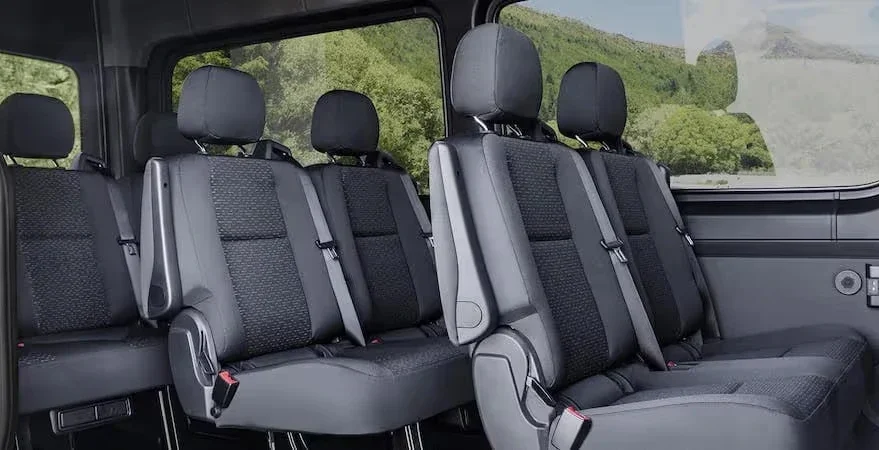
    Seating varies by model. Front seats support your back. They adjust in six ways. Heated options warm up cold mornings. In the Passenger Van, rear seats recline. Fabric covers clean easily. Leatherette upgrades add style.

    • Standard fabric for everyday use.
    • Optional black leatherette for a premium feel.
    • Swivel seats in some setups for easy talks.

    Groups like adventure clubs in Colorado add custom seats. They include USB ports. This keeps devices charged on hikes. The mercedes sprinter camper van interior often gets bench seats. They convert to beds. Comfort matters for overnight stays.

    Technology and Infotainment in the Mercedes Benz Sprinter Van Interior

    Tech integrates smoothly. The MBUX system runs on a 10.25-inch screen. It responds to voice commands. Say “Hey Mercedes” to navigate. Apple CarPlay connects your phone. Android Auto does the same. Wireless charging pads keep batteries full.

    Bluetooth streams music. USB-C ports charge gadgets. Fleet managers use Mercedes PRO. It tracks vans remotely. In busy areas like Miami, this saves time. The digital mirror shows clear views. It helps in traffic.

    Updates for 2025 include better screens. They load faster. Voice control understands more phrases. This makes driving safer. You keep eyes on the road.

    Also Read This: How to Sprint in Persona 4: A Complete Guide

    Cargo Space and Dimensions in the Mercedes Sprinter Interior

    Cargo space impresses. High roofs let you stand inside. Up to 79 inches tall. Floors load easily. Heights range from 27 to 31 inches. Doors open wide. Side doors measure 51 inches. Rear doors hit 73 inches high.

    Here’s a table of key dimensions for popular models:

    ModelWheelbase (inches)Cargo Volume (cubic feet)Standing Height (inches)Max Payload (pounds)
    Cargo Van 2500 High Roof144319763,781
    Cargo Van 2500 High Roof Extended170488793,516
    Crew Van High Roof144200+ (seats removed)774,000+
    Passenger Van High Roof17011775.53,109
    eSprinter High Roof170488792,400

    These specs help plan loads. Delivery services in Atlanta maximize space. They add tie-downs. Custom floors protect against spills.

    Customizations for the Mercedes Benz Sprinter RV Interior

    Custom work transforms the van. The eXpertUpfitter program helps. Add shelves for tools. Or refrigeration for food. In California, van life fans build campers. They install kitchens and beds.

    The mercedes sprinter camper van interior gets solar panels. These power lights and fridges. Sinks and stoves fit neatly. Storage hides gear. Some add showers. This creates home-like spaces.

    RV versions include pop-up roofs. They add sleeping spots. Families in Florida use these for beach trips. Interiors feature wood accents. Soft lighting sets moods. Ventilation keeps air fresh.

    Safety Features Integrated into the Mercedes Sprinter Motorhome Interior

    Safety blends in. Active Brake Assist stops for hazards. Crosswind Assist steadies the van. Blind Spot Assist warns of nearby cars. A 360-degree camera shows all angles.

    In motorhome setups, extra mirrors help. Digital rearviews clear views. Lane Keeping Assist guides you. This reduces fatigue on long drives. Tour groups in the Grand Canyon rely on these.

    Updates add Sideguard Assist. It spots cyclists. Parking packages ease tight spots. These keep everyone safe.

    Climate Control and Comfort in the Interior Mercedes Benz Sprinter

    Comfort starts with air. Automatic climate control adjusts temps. Rear AC cools passengers. Insulation blocks heat. LED lights brighten spaces.

    Overhead bins store bags. Door pockets hold bottles. Center consoles organize items. In hot states like Arizona, tinted windows help. They reduce glare.

    Heated steering wheels warm hands. Power seats find perfect positions. These small touches add up.

    Latest Updates for the 2025 Mercedes Sprinter Interior

    2025 brings fresh changes. The MBUX screen grows to 10.25 inches. It includes better navigation. Reclinable seats appear in Passenger Vans. Power front seats adjust easily.

    Air suspension smooths rides. It’s optional for cabs. New packages bundle features. Like Drive Assist for safety. Or Comfort Plus for luxury.

    The eSprinter expands. It offers more range. Interiors show battery stats. Fleets in San Francisco adopt these. They cut emissions.

    Design tweaks include new colors. High-tech silver finishes exteriors. Interiors get soft-touch surfaces. These keep the van current.

    Important Points to Consider When Choosing a Mercedes Sprinter Interior

    Here are key factors:

    1. Assess your needs: Cargo or passengers?
    2. Check wheelbase: Longer for more space.
    3. Add options: Tech and safety matter.
    4. Plan custom work: Upfit for specific uses.
    5. Test drive: Feel the comfort.
    6. Budget for updates: New models offer more.
    7. Think electric: For green operations.
    8. Review warranties: Coverage protects.

    These guide your choice. They ensure value.

    Key Takeaways from Exploring the Mercedes Sprinter Interior

    The Mercedes Sprinter interior excels in flexibility. It suits many roles. From work vans to campers. Dimensions provide ample room. Tech keeps you connected. Safety features protect. Custom options personalize. 2025 updates enhance everything. This van delivers for U.S. users. Businesses grow with it. Travelers enjoy journeys.

    • Spacious cargo for heavy loads.
    • Comfortable seats for long hauls.
    • Advanced MBUX for easy control.
    • Electric options for the future.
    • Custom builds for unique needs.

    These highlights make it a top pick.

    FAQ: Common Questions About the Mercedes Sprinter Interior

    What are the main differences between the Cargo and Passenger Van interiors?

    The Cargo Van focuses on open space. It has fewer seats. This maximizes room for goods. The Passenger Van adds rows of seats. It holds more people. Both share durable materials. But the Passenger version includes extra vents. These keep rear areas cool. In U.S. cities like Boston, shuttles use Passenger Vans. They fit groups comfortably. Cargo Vans serve deliveries. Their interiors strip down for efficiency.

    How can I customize the Mercedes Benz Sprinter Van interior for camping?

    Start with the eXpertUpfitter service. It adds beds and kitchens. Install solar panels for power. Add storage cabinets. Include a small bathroom. Use the mercedes sprinter camper van interior layout. It converts seats to sleeping areas. In states like Oregon, campers add insulation. This handles cold nights. Custom floors resist dirt. Lighting options create cozy vibes. Dealerships help with plans. They ensure safe installs.

    What safety features are built into the Mercedes Sprinter motorhome interior?

    Many features integrate seamlessly. Active Brake Assist detects dangers. It applies brakes if needed. Crosswind Assist fights gusts. Blind Spot Assist scans sides. The 360-camera aids parking. In motorhome conversions, add extra alarms. These alert for open doors. U.S. travelers in rural areas value these. They prevent accidents. Updates include attention assist. It spots drowsy driving. This keeps trips safe.

    How does the eSprinter interior differ from diesel models?

    The eSprinter keeps similar space. But it adds EV displays. These show battery levels. Regenerative braking info appears. The floor hides batteries. This maintains height. No exhaust means quieter rides. In eco-focused places like Portland, users love this. Interiors include charging ports. They power devices. Payload drops slightly. But cargo volume stays high. Tech focuses on efficiency.

    What are the best ways to maintain the interior Mercedes Sprinter Van?

    Clean regularly. Use mild soaps on fabrics. Vacuum floors often. Protect against sun with shades. Check seals for leaks. In humid spots like Houston, dry interiors fast. This prevents mold. Rotate tires for even wear. This affects ride comfort. Service tech yearly. They spot issues early. Custom covers shield seats. These keep things new.

    Conclusion: Why the Mercedes Sprinter Interior Stands Out in Today’s Market

    The Mercedes Sprinter interior combines function with style. It meets diverse needs across the U.S. From bustling cities to open roads. Businesses rely on its space. Travelers appreciate the comfort. Custom options let you tailor it. Whether for work or play.

    Recent 2025 updates refresh the design. Bigger screens improve tech. Better seats enhance rides. Electric models push sustainability. Safety stays top-notch. This van evolves with demands.

    Consider local examples. In New York, delivery firms customize for tight streets. They add organized storage. In California, van lifers build dream campers. They include kitchens and beds. These stories show versatility.

    Choosing a Sprinter means investing wisely. It holds value well. Fuel efficiency saves money. Resale stays strong. Dealerships offer support. They guide through options.

    If you seek reliability, look here. The interior mercedes benz sprinter sets standards. It blends luxury with utility. Drive one today. Feel the difference. This van could change how you travel or work. Explore models at a nearby dealer. Start your journey now.

  • Your Guide to Micro Sprint Racing

    Your Guide to Micro Sprint Racing

    Have you ever seen a smaller version of a sprint car zip around a dirt track and wondered what it was? You were likely watching the exciting world of micro sprint racing. This motorsport offers high-speed fun and serves as a fantastic training ground for aspiring drivers. It’s an accessible and thrilling way to get into open-wheel racing without the massive costs of full-sized sprint cars.

    This guide will cover everything you need to know about micro sprint racing. We’ll explore what these cars are, the different classes you can join, and the essential components that make them so fast. You’ll learn about the engines that power these machines, the tracks they race on, and what it takes to get started. Whether you’re a curious fan or a future driver, this article will give you a complete look into this fast-growing sport.

    Key Takeaways

    • Micro sprint racing is a scaled-down version of sprint car racing, using 600cc motorcycle engines.
    • It’s known for being an affordable entry point into competitive motorsports.
    • There are various classes, including winged, non-winged, and restricted classes for younger drivers.
    • Many professional NASCAR and IndyCar drivers started their careers in micro sprint racing.
    • Getting involved is possible by visiting local tracks, talking to teams, and even volunteering as a crew member.

    What Exactly Is Micro Sprint Racing?

    Micro sprint racing is a form of auto racing that features smaller, lighter versions of traditional sprint cars. These cars look very similar to their larger counterparts, with an open-cockpit design, open wheels, and a protective roll cage. The key difference lies in their size and the power plant under the hood. Most micro sprints are powered by 600cc, four-stroke motorcycle engines. These engines are side-mounted and can produce upwards of 160 horsepower, which is a lot for a car that weighs only about 800 pounds with the driver.

    This high power-to-weight ratio makes for some incredibly fast and exciting action on the track. Races typically take place on small dirt ovals, usually a fifth of a mile or less. The combination of powerful engines, lightweight chassis, and small tracks means drivers are constantly turning and maneuvering for position. You might hear these cars called by different names depending on where you are in the country, such as “600 Sprints,” “Micro Midgets,” or “Modified Midgets.” No matter the name, the core of the sport remains the same: fast-paced, affordable, and highly competitive racing.

    The Appeal of Micro Sprint Racing

    So, what makes micro sprint racing so popular? A big part of its appeal is the affordability compared to other forms of motorsports. Getting into full-sized sprint cars or midgets can be very expensive. Micro sprints offer a more budget-friendly way for people to experience the thrill of open-wheel dirt track racing. This makes it an ideal starting point for young drivers looking to build their skills and make a name for themselves.

    Beyond the cost, micro sprint racing is also known for being a great learning environment. The cars are fast and require a high level of skill to handle, helping drivers develop crucial techniques that translate to higher levels of racing. Many successful professional drivers, like Kyle Larson and Christopher Bell, cut their teeth in micro sprints. The sport also has a strong sense of community. It’s a family-friendly environment where teams are often willing to help each other out in the pits.

    The Different Classes in Micro Sprint Racing

    Micro sprint racing is not a one-size-fits-all sport. There are several different classes, which are mainly determined by engine size and whether the car has a wing. The most popular class across the United States is the 600cc Micro Sprint class. However, tracks may also run classes for 270cc or 125cc engines. It’s always a good idea to check with your local track to see which classes they offer and what their specific rules are.

    Within the 600cc class, there are usually a few sub-divisions. The Stock or “A-Class” requires the engine to be essentially stock, right off the motorcycle. The “Open” or “Outlaw” class allows for significant engine modifications, including increasing the displacement up to around 640cc. There is also a “Restrictor” class, which uses a stock engine with a restrictor plate to limit horsepower. This class is designed for beginners and younger drivers, with some tracks allowing kids as young as 10 to compete.

    Winged vs. Non-Winged Racing

    One of the biggest distinctions you’ll see in micro sprint racing is whether the cars have wings. The large airfoil on top of a winged sprint car creates significant downforce. This downforce pushes the car into the track, increasing traction and allowing for higher cornering speeds. Winged racing is often faster and requires a very precise driving style. Drivers can carry a lot of momentum through the turns, leading to thrilling, high-speed battles.

    On the other hand, non-winged (or wingless) racing is a completely different challenge. Without the downforce from a wing, the cars are much looser and tend to slide around more in the corners. Drivers have to be experts at throttle control and car placement to be successful. Many people love non-winged racing because it puts more of the race in the driver’s hands. It’s often described as a purer form of racing, where car control and driver skill are on full display.

    The Heart of the Machine: Micro Sprint Racing Engines

    The engine is the core of any race car, and this is especially true in micro sprint racing. The most common power plants are 600cc, 4-cylinder, 4-stroke motorcycle engines. Brands like Yamaha, Suzuki, and Kawasaki are popular choices. In their stock form, these engines are already impressive, but for racing, they are often modified to produce even more power. These modifications are what separate the different engine classes, like Stock and Open.

    Most tracks require the use of methanol alcohol as fuel. Methanol has a few advantages over gasoline. It’s safer because it can be extinguished with water, and it also helps the engine run cooler. Plus, it can create more horsepower than gasoline, which is a big bonus in a competitive racing series. Turbochargers and superchargers are not allowed, so all the power comes from a naturally aspirated engine. This focus on engine tuning makes the choice of micro sprint racing engines a critical decision for any team.

    Building a Competitive Engine

    In the highly competitive Outlaw classes, engine builders work hard to squeeze every last bit of power out of the 600cc platform. This can involve increasing the engine’s compression, changing the camshafts, and fine-tuning the cam timing. The bottom end of the engine is also strengthened to handle the increased loads and sustained high RPMs of circle track racing.

    One of the most important aspects of a quality engine build is the cylinder head. A well-executed, multi-angle valve job can improve airflow over the valve seat and ensure better valve sealing. This directly translates to more power. Because these engines were originally designed for motorcycles, modifications are also needed for the oiling system. A custom oil pan and pickup are essential to prevent oil starvation during the high G-forces of cornering on a banked oval track.

    Key Micro Sprint Racing Parts and Components

    A micro sprint is more than just an engine and a frame. It’s a complex machine made up of many specialized micro sprint racing parts. The chassis itself is a work of art, constructed from steel tubing to be both strong and lightweight. The suspension is fully adjustable, allowing teams to fine-tune the car’s handling for different track conditions. Shocks, springs, and torsion bars are all critical components for getting the car to “hook up” to the track.

    The drivetrain is another key area. Power is sent from the side-mounted engine to the rear axle via a chain drive. Teams carry a variety of sprockets to change the final drive ratio, which helps them adjust for track size and conditions. The steering system is quick and responsive, allowing the driver to make precise inputs. Safety equipment is also paramount, including a full-containment seat, a multi-point harness, and a fire suppression system.

    The Role of Aluminum Micro Sprint Racing Wheels

    Wheels and tires are where the rubber meets the road—or in this case, the dirt. The wheels used in micro sprint racing have to be both incredibly strong and very light. This is why aluminum micro sprint racing wheels are the standard in the industry. Aluminum provides an excellent balance of strength and low weight. Reducing unsprung weight (the weight of everything not supported by the suspension) helps the suspension react more quickly to bumps and changes in the track surface.

    These wheels are often of a “beadlock” design. A beadlock wheel clamps the tire’s bead to the wheel, preventing the tire from spinning on the rim under the intense torque and side-loading of a race. This is crucial for maintaining consistent tire pressure and performance throughout a race. Teams will have multiple sets of wheels with different tire compounds to match the changing conditions of a dirt track as the night goes on.

    Comparing Micro Sprint Classes

    FeatureRestrictor ClassA-Class (Stock)Outlaw Class
    Primary GoalDriver development, beginner classCompetitive, budget-conscious racingMaximum performance, professional level
    Typical Age10-14 years old12+ years old14+ years old, experienced drivers
    Engine RulesStock 600cc with restrictor plateStock 600cc, limited modificationsUp to 640cc, heavy modifications allowed
    HorsepowerLimited (approx. 70-80 HP)Stock (approx. 110-120 HP)Modified (140-160+ HP)
    Competition LevelLearning and seat time focusedHigh, often features large car countsVery high, attracts top-tier talent

    How Fast Do Micro Sprints Go?

    One of the most common questions about micro sprint racing is about their top speed. The answer depends heavily on the size of the track. On a typical short track, which might be a sixth or a quarter of a mile long, these cars can reach speeds between 70 and 85 miles per hour on the straightaways. That might not sound as fast as a NASCAR race, but on a small oval, that speed feels incredibly fast.

    On larger tracks, the speeds can be even more impressive. Some events are held on tracks that are a third or even a half-mile in length. On these bigger ovals, a 600cc micro sprint can reach speeds of 100 mph or more. When you combine that speed with the close-quarters racing and the sliding action of dirt tracks, it creates an unforgettable spectacle for fans and an intense challenge for drivers.

    Getting Started in Micro Sprint Racing

    If all this sounds exciting, you might be wondering how you can get involved. The best first step is to visit your local dirt track on a night when the micro sprints are racing. Buy a pit pass and walk around the pit area. This will give you a chance to see the cars up close and talk to the drivers and crew members. The racing community is generally friendly, and most people are happy to share their stories and offer advice.

    You can also reach out to racers and teams on social media. Many have Facebook pages where they post updates. A great way to get your foot in the door is to offer to help a team as a volunteer crew member. This is an excellent way to learn about the cars, how to set them up, and what goes on during a race night. From there, you can start looking at purchasing your own car. You can buy used cars or new, ready-to-race packages from chassis builders.

    A Path to a Professional Career

    For young drivers with professional aspirations, micro sprint racing is one of the best training grounds available. The list of drivers who have used micro sprints as a stepping stone is long and impressive. NASCAR stars like Kyle Busch, Chase Briscoe, and Ricky Stenhouse Jr. all have roots in this form of racing. It teaches invaluable car control skills that are directly applicable to higher-powered race cars.

    Organizations like Toyota Racing Development (TRD) and Chevrolet actively work with micro sprint teams to identify and develop young talent. Winning major micro sprint events, such as the Tulsa Shootout or PA Speedweek, can put a driver on the map and open doors to opportunities in midgets, full-sized sprint cars, and eventually, stock car racing.

    Conclusion: The Thrilling World of Micro Sprint Racing

    Micro sprint racing is more than just a smaller version of sprint car racing. It is a vibrant, competitive, and accessible motorsport that offers something for everyone. For fans, it delivers fast, wheel-to-wheel action every time the cars hit the track. For aspiring drivers, it provides an unparalleled opportunity to hone their skills and launch a racing career. And for hobbyists, it offers a way to experience the thrill of racing within a reasonable budget.

    From the high-revving micro sprint racing engines to the specialized micro sprint racing parts like aluminum micro sprint racing wheels, every part of these cars is designed for performance. Whether you prefer the high-speed grip of winged racing or the sideways action of non-winged cars, the world of micro sprint racing is full of excitement and opportunity. The next time you’re looking for some Saturday night fun, head to your local dirt track and check out the future stars of motorsports in action.

    Frequently Asked Questions

    1. How much does a micro sprint car cost?
    A used, race-ready micro sprint can cost anywhere from $5,000 to $10,000. A brand new, top-of-the-line car from a major chassis builder can cost $20,000 or more.

    2. What safety gear is required to race?
    Drivers must wear a full-face helmet, a fire-retardant racing suit, gloves, and shoes. A head-and-neck restraint system is also mandatory at most tracks. The car must have a full-containment seat and a multi-point safety harness.

    3. How old do you have to be to start racing micro sprints?
    The starting age varies by track and class. The restrictor class is often open to drivers as young as 10 years old. For the unrestricted 600cc classes, the minimum age is typically 12 or 14.

    4. Where can I watch micro sprint races?
    Many local dirt tracks across the United States host micro sprint racing. Additionally, major events are often available to watch on live streaming services like FloRacing and DirtVision.

    5. How much maintenance does a micro sprint require?
    Like any race car, a micro sprint requires regular maintenance. After each race night, you’ll need to clean the car, inspect all components for damage or wear, check bolts, and perform routine engine maintenance like oil changes.

  • 2025 Mercedes Benz Sprinter Specs

    2025 Mercedes Benz Sprinter Specs

    The 2025 Mercedes Benz Sprinter specs van continues its legacy as a top choice for businesses and individuals seeking versatility, power, and cutting-edge technology. Whether you need a capable cargo hauler, a comfortable crew transporter, or a spacious passenger van, there is a Sprinter configuration for you. This guide explores the detailed 2025 mercedes benz sprinter specs, covering everything from engine performance to interior dimensions, so you can find the perfect model to meet your needs.

    An Overview of the 2025 Mercedes Benz Sprinter Specs

    For 2025 Mercedes Benz Sprinter Specs has refined the Sprinter lineup with an exclusive focus on powerful and efficient diesel engines. The entire range is now powered by a 2.0-liter 4-cylinder turbo diesel engine, available in two output levels. This streamlines the powertrain options while ensuring every Sprinter delivers robust torque and capability. A smooth-shifting 9G-TRONIC automatic transmission is standard across all models, providing a comfortable driving experience.

    Additionally, the Sprinter is available in both rear-wheel drive (RWD) and all-wheel drive (AWD), offering enhanced traction for challenging road conditions. New technology, including the latest MBUX system and advanced safety features like Sideguard Assist, makes the 2025 model smarter and safer than ever.

    What’s New for 2025?

    The 2025 Sprinter introduces several key updates and new features that enhance its appeal. One of the most significant changes is the standardization of the 9G-TRONIC 9-speed automatic transmission across all models, ensuring a seamless and efficient driving experience. Safety gets a major boost with new standard and optional features, including a more advanced Active Brake Assist and the introduction of Sideguard Assist, which is especially useful in urban environments. Inside, the Sprinter receives the latest generation of the Mercedes-Benz User Experience (MBUX) infotainment system, complete with a brilliant 10.25-inch touchscreen. Passenger and Crew van models now include Passive Child Detection as a standard safety measure, providing extra peace of mind.

    • Latest generation MBUX system with 10.25″ touchscreen
    • Sideguard Assist combined with Blind Spot Assist
    • Standard rain sensor
    • Tire Pressure Monitoring now standard on dual rear-wheel models
    • New Hightech Silver color option
    • Passive Child Detection standard on Crew and Passenger vans

    Engine and Performance: Powering Your Journey

    The heart of the 2025 Sprinter is its advanced 2.0-liter 4-cylinder turbo diesel engine. This powertrain is offered in two distinct states of tune to match different needs for power and efficiency. The combination of this engine with the standard 9-speed automatic transmission creates a responsive and capable van, whether navigating city streets or cruising on the highway. The availability of both RWD and AWD configurations further adds to its versatility, allowing you to choose the drivetrain that best suits your typical driving conditions and cargo demands.

    Standard Output Diesel Engine

    The standard output version of the 2.0L turbo diesel engine is a workhorse, delivering a solid balance of power and fuel economy. It’s an excellent choice for daily operations, local deliveries, and lighter-duty applications where efficiency is a top priority.

    • Horsepower: 168 hp – 170 hp (depending on source)
    • Torque: 295 lb-ft
    • Transmission: 9G-TRONIC 9-speed automatic
    • Drive: Available in RWD

    This engine provides ample power for most tasks, ensuring the Sprinter can handle significant payloads without feeling strained. It’s a reliable and cost-effective option for many businesses.

    High Output Diesel Engine

    For those who require more muscle, the high-output version of the 2.0L turbo diesel engine provides a significant boost in performance. This option is ideal for heavier loads, towing, and tackling steep inclines. It is the standard engine for the robust 3500 and 4500 series vans.

    • Horsepower: 208 hp – 211 hp (depending on source)
    • Torque: 332 lb-ft
    • Transmission: 9G-TRONIC 9-speed automatic
    • Drive: Available in both RWD and AWD

    The increased horsepower and torque make a noticeable difference, offering more confident acceleration and the ability to handle the toughest jobs with ease. This engine transforms the Sprinter into an exceptionally capable commercial vehicle.

    Understanding the 2025 Mercedes-Benz Sprinter Specs MPG

    While the EPA does not officially rate heavy-duty vehicles like the Sprinter van, real-world performance provides valuable insight into the 2025 mercedes-benz sprinter specs mpg. Thanks to the efficient 2.0L turbo diesel engine and the 9-speed automatic transmission, the Sprinter is surprisingly economical for its size. Drivers have reported averages around 20 MPG in mixed driving conditions, which is impressive for a vehicle of this scale and capability. Fuel economy will naturally vary based on factors like payload, driving style, roof height, and whether the van is an RWD or AWD model. However, the Sprinter is engineered to help keep fuel costs manageable for your business or personal use.

    Configurations and Dimensions

    The 2025 Sprinter is available in several body styles, including Cargo, Crew, Passenger, and Cab Chassis, each with multiple wheelbase and roof height options. This flexibility allows you to customize the van to your exact requirements.

    Wheelbase and Roof Options

    • Wheelbases: 144-inch, 170-inch, and 170-inch Extended
    • Roof Heights: Standard Roof and High Roof

    The High Roof option is a game-changer, allowing individuals as tall as 6 feet 6 inches to stand upright inside the van, making it perfect for camper conversions or mobile workshops.

    Cargo Van Specs

    The Cargo Van is the ultimate workhorse, designed to maximize interior space and payload.

    • Max Cargo Volume: Up to 533 cubic feet (170″ Extended Wheelbase, High Roof)
    • Max Payload: Up to 6,812 lbs (Sprinter 4500)
    • Loading Width: Approximately 61 inches

    Crew Van Specs

    The Crew Van offers a smart compromise, providing a second row of seating for up to three additional passengers while still offering substantial cargo space. It’s perfect for teams that need to travel to a job site with their equipment.

    • Seating: Up to 5 people
    • Max Cargo Volume: Up to 371 cubic feet
    • Max Payload: Up to 6,415 lbs

    Deep Dive: 2025 Mercedes Benz Sprinter 3500 Specs

    The 2025 mercedes benz sprinter 3500 specs position it as a heavy-hitter in the lineup, perfect for those needing enhanced payload and towing capabilities. The 3500 series comes standard with the high-output diesel engine, ensuring it has the power to move serious weight. It is available in various configurations, including Cargo, Crew, and Cab Chassis, often with dual-rear-wheel options for maximum stability and load-bearing capacity. This model is a popular choice for commercial fleets, delivery services, and heavy-duty camper conversions that require a robust foundation.

    Key 3500 Specs

    • Engine: 2.0L 4-Cylinder High-Output Turbo Diesel (208 hp, 332 lb-ft torque)
    • Max Payload: Up to 5,739 lbs (3500XD Cargo Van)
    • Towing Capacity: Up to 7,500 lbs
    • GVWR: Up to 11,030 lbs (Cab Chassis)

    Exploring the 2025 Mercedes-Benz Sprinter Passenger Van Specs

    For those needing to transport people in comfort and style, the 2025 mercedes-benz sprinter passenger van specs make it a standout choice. It’s ideal for shuttle services, large families, or tour operators. With flexible seating arrangements, it can accommodate up to 15 people. The interior is designed with passenger comfort in mind, offering features like rear air conditioning and USB-C charging ports for all rows.

    Passenger Van Highlights

    • Seating Capacity: Up to 12 (144″ WB) or 15 (170″ WB)
    • Engine Options: Standard and High Output 2.0L Diesel
    • Payload Capacity: Up to 3,307 lbs
    • Towing Capacity: Up to 5,000 lbs (12-seater only)
    • Standard Features: Active Brake Assist, rear USB-C ports, Passive Child Detection

    Payload and Towing Capacity

    The Sprinter’s payload and towing capabilities are among its most impressive attributes. The figures vary significantly depending on the specific model, wheelbase, and engine configuration.

    Van ClassMax Payload (lbs)Max Towing Capacity (lbs)
    Sprinter 25004,2115,000
    Sprinter 35004,6997,500
    Sprinter 3500XD5,7397,500
    Sprinter 45006,8127,500

    These numbers demonstrate the Sprinter’s ability to serve a wide range of commercial and recreational needs, from light-duty delivery to hauling heavy equipment.

    Interior Features and Technology

    The 2025 Sprinter’s cabin is a blend of functionality and modern luxury. The driver-focused cockpit features a multifunction steering wheel, a clear instrument cluster, and the optional, state-of-the-art MBUX infotainment system.

    Mercedes-Benz User Experience (MBUX)

    The latest-generation MBUX system is a highlight, featuring a 10.25-inch high-resolution touchscreen. It can be controlled via touch, steering wheel buttons, or its highly intelligent voice control system, activated by saying “Hey Mercedes.” This system provides navigation, media control, and seamless smartphone integration.

    Comfort and Convenience

    • Heated and power-adjustable front seats
    • Automatic climate control
    • Keyless start
    • Electrically folding exterior mirrors
    • Multiple USB-C charging sockets

    Advanced Safety and Driver-Assistance

    Mercedes-Benz has equipped the 2025 Sprinter with a comprehensive suite of safety features designed to protect the driver, passengers, and cargo.

    • Active Brake Assist: Can warn of an impending collision and apply autonomous braking if necessary.
    • Blind Spot Assist: Monitors the van’s blind spots and provides alerts.
    • Attention Assist: Monitors driving patterns and can alert a drowsy or inattentive driver.
    • 360-Degree Camera: Provides a complete view around the vehicle, making parking and maneuvering in tight spaces much easier.
    • Crosswind Assist: Helps stabilize the van during strong gusts of side wind, a crucial feature for a high-profile vehicle.
    • Active Lane Keeping Assist: Can help guide the van back into its lane if it unintentionally drifts.

    Conclusion of 2025 Mercedes Benz Sprinter Specs

    The 2025 mercedes benz sprinter specs showcase a van that is more capable, intelligent, and versatile than ever before. With its efficient and powerful diesel engines, advanced 9-speed transmission, and a host of modern technology and safety features, the Sprinter is built to excel. Whether you need a dependable workhorse for your business, a spacious van for your family, or the perfect platform for your next adventure, the 2025 Sprinter lineup has a model that will not only meet but exceed your expectations.


    Frequently Asked Questions about 2025 Mercedes Benz Sprinter Specs

    What engine is in the 2025 Mercedes Sprinter?

    The 2025 Mercedes-Benz Sprinter is exclusively powered by a 2.0-liter 4-cylinder turbo diesel engine. It is available in a standard output version (170 hp, 295 lb-ft) and a high-output version (211 hp, 332 lb-ft).

    Can the 2025 Sprinter be all-wheel drive?

    Yes, the 2025 Sprinter is available with an all-wheel-drive (AWD) system. The AWD option is paired with the high-output diesel engine, providing enhanced traction and stability in various weather and road conditions.

    What is the towing capacity of a 2025 Sprinter 3500?

    The 2025 mercedes benz sprinter 3500 specs list a maximum towing capacity of up to 7,500 pounds when properly equipped. This makes it one of the most capable vans in its class for towing trailers and equipment.

    How many people can a Sprinter passenger van hold?

    The 2025 Mercedes-Benz Sprinter Passenger Van can be configured to seat up to 12 people in the 144-inch wheelbase model or up to 15 people in the 170-inch wheelbase model.

    What is the average MPG for a 2025 Sprinter van?

    While not officially rated by the EPA, drivers of the 2025 Sprinter report fuel economy in the range of 20 MPG for mixed driving. The actual 2025 mercedes-benz sprinter specs mpg will vary based on load, driving habits, and the specific van configuration.

  • A Guide to the 2500 Sprinter Van

    A Guide to the 2500 Sprinter Van

    The 2500 sprinter van stands out as a top choice for businesses and adventurers alike. Its mix of space, power, and reliability makes it a versatile vehicle for many needs. Whether you’re hauling cargo for your company or building out a custom camper for life on the road, this van delivers. It is known for its durability and advanced features, which is why so many people trust it.

    From its powerful engine options to its impressive cargo capacity, the Sprinter 2500 is built to handle tough jobs. This guide will walk you through everything you need to know about this popular van. We will cover its history, different models, key features, and what makes it a smart investment. You will get a complete picture of why the 2500 sprinter van remains a favorite in its class.

    What is a 2500 Sprinter Van?

    A 2500 sprinter van is a light-duty commercial vehicle that is highly adaptable. It is part of the Sprinter lineup, which was first introduced in Europe in 1995. Originally sold under the Mercedes-Benz brand, it has also been available as a Dodge and Freightliner in North America. The “2500” designation refers to its payload capacity, which is roughly three-quarters of a ton.

    This makes it a great middle-ground option, stronger than a 1500 model but more nimble than the heavier 3500 or 4500 series. These vans are famous for their tall, boxy shape, which maximizes interior space. You can get them in various configurations, including cargo, crew, and passenger versions. The high roof option is particularly popular, as it allows most adults to stand up straight inside. This is a huge benefit for contractors who use it as a mobile workshop or for van lifers creating a tiny home on wheels.

    A Brief History of the Sprinter Van

    The Sprinter van story began in Germany. It quickly became a benchmark for what a modern commercial van could be. Its success led to its introduction in the United States in 2001. Initially, it was brought over as a Freightliner and then later as a Dodge Sprinter.

    Important historical points include:

    • Early 2000s: The 2004 dodge sprinter 2500 cargo van tire load index became a key specification for owners needing to ensure safety and performance.
    • 2010: Mercedes-Benz took over sole branding in the U.S. market, solidifying its premium position.
    • Today: The mercedes sprinter van 2500 is recognized globally for its quality and innovation.

    Key Features of the Modern Mercedes 2500 Sprinter Van

    The modern mercedes 2500 sprinter van is packed with technology and thoughtful design elements. Mercedes-Benz has focused on making these vans as comfortable and safe as they are practical. The driver’s cabin feels more like an SUV than a work truck, with an ergonomic layout and premium materials. You will find advanced driver-assistance systems that were once only available in luxury sedans.

    These include features like Active Brake Assist, which can help prevent collisions, and a 360-degree camera system that makes parking this large vehicle much easier. The MBUX infotainment system with its “Hey, Mercedes” voice control brings a new level of connectivity. Under the hood, you have choices between efficient diesel engines and a powerful gasoline option, paired with a smooth 9-speed automatic transmission. This ensures you have the right amount of power for your needs while keeping fuel costs down.

    Performance and Engine Options

    When you look at a 2500 sprinter van, you’ll see a focus on performance and efficiency. The latest models offer a range of powertrains designed to meet different demands. This ensures you can get the job done without spending a fortune on fuel.

    • Standard Output Diesel: A 2.0-liter, 4-cylinder turbodiesel engine that provides a great balance of power and fuel economy. It’s ideal for city driving and lighter loads.
    • High-Output Diesel: This engine offers more horsepower and torque, making it perfect for hauling heavier cargo or navigating steep terrain.
    • Gasoline Engine: A turbocharged 2.0-liter gasoline engine is also available, providing quick acceleration and a quieter ride.

    All engines are paired with a 9G-TRONIC automatic transmission, which offers smooth shifts and helps optimize fuel consumption. Rear-wheel drive is standard, but all-wheel drive is an option for those who need extra traction in snow or on rough roads.

    Interior Space and Customization

    The interior is where the 2500 sprinter van truly shines. The sheer volume of space is impressive. You can choose from different roof heights and wheelbase lengths to get the exact size you need.

    Available Configurations:

    • Cargo Van: This is a blank canvas. It’s perfect for tradespeople who need to install shelving and tool racks or for DIY camper conversions. The large, open space can hold an incredible amount of gear or materials.
    • Crew Van: This version has a second row of seats, allowing you to transport up to five people while still having plenty of cargo space in the back. It’s a great choice for work crews.
    • Passenger Van: With seating for up to 15 people, this model is ideal for shuttle services, tour companies, or large families.

    The high roof option is a game-changer. It provides over six feet of interior standing height, making it comfortable to move around inside. The nearly vertical walls also make it easier to build out cabinets and furniture for a camper van.

    The 2023 Mercedes-Benz Sprinter 2500 Cargo Van

    The 2023 mercedes-benz sprinter 2500 cargo van introduced some significant updates. The most notable change was the move to an all-4-cylinder engine lineup, discontinuing the older V6 diesel. This shift was aimed at improving efficiency and reducing emissions across the board. The new diesel engines, available in two output levels, offer plenty of torque for demanding tasks. The 2023 model also features a new all-wheel-drive (AWD) system that replaces the previous 4×4 setup.

    This new system can automatically send power to the front wheels when it detects slip, providing better traction without any input from the driver. It is more advanced and operates more seamlessly than the old system. These updates make the 2500 sprinter van even more capable and user-friendly, whether you are on a paved highway or a muddy job site.

    Payload and Towing Capacity

    Understanding what your van can handle is critical. The 2500 sprinter van offers strong payload and towing numbers that make it a workhorse.

    Specification144″ Wheelbase170″ Wheelbase
    Max Payload~ 4,211 lbs~ 3,770 lbs
    Max Towing5,000 lbs5,000 lbs
    GVWR9,050 lbs9,050 lbs

    Note: Figures can vary based on engine, roof height, and other options.

    These numbers show that the mercedes sprinter van 2500 is more than capable of carrying heavy loads and towing trailers. The Gross Vehicle Weight Rating (GVWR) of 9,050 lbs is a key figure, as it represents the maximum total weight of the van, including passengers, cargo, and fuel.

    The Cost of Owning a 2500 Sprinter Van

    The initial purchase price of a 2500 sprinter van is higher than some of its competitors. However, the total cost of ownership is often very competitive. Sprinter vans are known for their longevity and reliability, which means fewer repair bills over the long run. Their efficient diesel engines also help save money at the pump. When considering the cost, it’s important to look beyond the sticker price.

    Factors to Consider:

    • Fuel Economy: Diesel models often get better mileage than their gasoline counterparts, especially on the highway.
    • Maintenance: While routine service at a Mercedes-Benz dealership can be pricey, the service intervals are long. Many owners report going 20,000 miles between oil changes.
    • Resale Value: Sprinter vans hold their value exceptionally well. This is especially true for well-maintained models and custom camper builds. When it’s time to sell, you can expect to get a good portion of your investment back.
    • Insurance: Costs can be higher than for a standard van, so it’s wise to get quotes before you buy.

    Understanding Tire Specifications

    For any van owner, especially of older models, knowing your tire specifications is vital for safety. A common question relates to the 2004 dodge sprinter 2500 cargo van tire load index. This index is a number on the tire’s sidewall that tells you the maximum weight each tire can safely carry. To find the right load index, you need to know your van’s Gross Axle Weight Rating (GAWR), especially for the rear axle, which carries more weight.

    Here’s a simple way to think about it:

    1. Find the GAWR for the rear axle on the sticker inside the driver’s door jamb.
    2. Divide that number by two to get the minimum load each rear tire must support.
    3. Consult a tire load index chart to find the number that corresponds to that weight.

    Using tires with a lower load index than required is dangerous. It can lead to tire failure, especially when the van is fully loaded. Always choose a tire with a load index that meets or exceeds the manufacturer’s recommendation.

    Why Choose a Mercedes Sprinter Van 2500?

    With so many vans on the market, what makes the mercedes sprinter van 2500 the right choice? It comes down to a combination of quality, capability, and long-term value. This van is built to a higher standard, and you can feel it in the way it drives and the durability of its components. The level of available technology, from safety features to infotainment, is unmatched in the commercial van segment.

    Key Advantages:

    • Superior Ride Quality: It drives more like a large SUV than a commercial truck.
    • Advanced Safety Features: Options like blind-spot monitoring and adaptive cruise control make driving safer.
    • High Resale Value: Your investment is protected by strong demand in the used market.
    • Customization Potential: The interior space and high roof make it the perfect base for any project.
    • Brand Prestige: The Mercedes-Benz star on the grille signifies quality and reliability.

    Conclusion

    The 2500 sprinter van is more than just a vehicle; it’s a versatile platform for business owners, adventurers, and families. Whether you need a reliable workhorse like the 2023 mercedes-benz sprinter 2500 cargo van or a base for your dream camper, this van delivers on all fronts. Its combination of performance, safety, and customization options sets it apart from the competition. While the initial investment might be higher, its excellent resale value and lower running costs often make it a smarter financial choice in the long run. The Sprinter 2500 has earned its reputation as a leader in the full-size van market through years of proven performance and continuous innovation.

    Frequently Asked Questions (FAQ)

    1. What does “2500” mean on a Sprinter van?
    The “2500” designation indicates the van’s payload classification. A 2500 sprinter van is considered a three-quarter-ton vehicle, meaning it can carry a payload of around 3,000 to 4,000 pounds, depending on the specific configuration.

    2. Can I stand up inside a 2500 Sprinter Van?
    Yes, if you choose the high roof option. The high roof mercedes 2500 sprinter van offers an interior height of about 79.1 inches (over 6.5 feet), allowing most people to stand up comfortably. The standard roof is much lower, at around 67.7 inches.

    3. What is the difference between a Sprinter 2500 and 3500?
    The main difference is the rear axle and payload capacity. A Sprinter 3500 has a heavier-duty rear axle and is often equipped with dual rear wheels (a “dually”), which allows it to carry a much heavier payload. The 2500 has single rear wheels and is designed for lighter-duty applications.

    4. Are Sprinter vans reliable?
    Yes, Sprinter vans are well-known for their reliability and durability, especially their diesel engines, which can last for hundreds of thousands of miles with proper maintenance. Following the recommended service schedule is key to ensuring a long life for your van.

    5. How is the fuel economy on a 2500 Sprinter Van?
    Fuel economy varies depending on the engine, driving style, and load. However, the diesel models are quite efficient for their size. Owners often report getting between 18 and 24 miles per gallon on the highway, which is excellent for a large van.

  • Your Guide to the 4 10 Sprint Car World

    Your Guide to the 4 10 Sprint Car World

    The world of remote-controlled racing is vast and thrilling, offering something for every type of enthusiast. Among the most exciting categories is the 4 10 sprint car, a popular choice for dirt oval racing. These models capture the raw power and unique look of their full-sized counterparts, providing an accessible way to experience high-speed, side-by-side action.

    Whether you’re a seasoned RC veteran or just starting, this guide will cover everything you need to know about the dynamic world of 4 10 sprint cars. We will explore different scales, popular kits, and what makes these machines a favorite in the RC community.

    Key Takeaways

    • Understanding the Terminology: The term “4 10 sprint car” is often a user-generated search phrase that blends the common “1/10 scale” and the larger “1/4 scale” RC cars. The most popular category is the 1/10 scale sprint car.
    • Scale Matters: The scale of an RC car, from a micro sprint car to a large 1 10 to 1 4 scale sprint car, determines its size, cost, and racing environment.
    • Kits vs. RTR: You can choose between unassembled kits that allow for full customization, like the Custom Works R/C CSW0724 1/10 Outlaw 4 Sprint Car Kit, or Ready-to-Run (RTR) models that are perfect for beginners.
    • Performance and Power: These cars are designed for dirt oval racing, featuring powerful brushless motors, specialized suspension, and high-grip tires to handle the unique challenges of sliding through corners.
    • Community and Competition: A vibrant community exists around RC sprint car racing, with local tracks and national events offering a place for friendly competition and shared passion.

    What Exactly Is a 4 10 Sprint Car?

    When you encounter the term 4 10 sprint car, it’s important to understand what it typically refers to in the RC community. This phrase is a common search query that often merges two distinct but related concepts: the very popular 1/10 scale and the much larger 1/4 scale. For most hobbyists and racers, the focus is squarely on the 1/10 scale sprint car. This scale offers the perfect balance of size, speed, and affordability, making it the go-to choice for organized dirt oval racing across the United States.

    These cars are large enough to be impressive on the track but small enough to be manageable and relatively inexpensive compared to their bigger cousins. They are specifically designed to mimic the appearance and handling of real-life winged sprint cars, complete with the iconic oversized top wing and offset wheel configuration.

    The Popularity of 1/10 Scale

    The 1/10 scale is the backbone of the RC sprint car world. It has a well-established ecosystem of manufacturers, parts suppliers, and racing leagues. Brands like Custom Works, Losi, and Team Associated are major players, offering everything from beginner-friendly models to championship-winning chassis. The availability of parts and upgrades is a huge advantage, allowing you to fine-tune your car for specific track conditions or repair it after a rough race.

    This widespread support makes it easier for new racers to get started and for experienced drivers to stay competitive. The community around 1/10 scale racing is another significant factor in its popularity, fostering a friendly and supportive environment at local tracks.

    Exploring Different Scales: 1 10 to 1 4 Scale Sprint Car

    While 1/10 scale dominates the scene, the journey from a 1 10 to 1 4 scale sprint car covers a wide spectrum of the RC hobby. Each scale offers a unique experience. As you move up in size, the cars become more powerful, more expensive, and require more space to operate.

    A 1/4 scale car, for example, is a massive machine that often uses a gasoline engine instead of an electric motor. These giants provide an incredibly realistic racing experience but come with a much higher price tag and maintenance commitment. On the other end of the spectrum, you can find smaller scales that offer fun in more compact spaces.

    Micro Sprint Car: Big Fun in a Small Package

    For those with limited space or a smaller budget, the micro sprint car is an excellent entry point. Typically found in 1/18 or 1/24 scale, these tiny racers are perfect for indoor tracks or even a smooth driveway. Despite their small size, modern micro sprint cars pack a surprising punch, often featuring brushless motors and advanced suspension systems.

    Brands like 1RC Racing specialize in this niche, offering ready-to-run models that are a blast to drive right out of the box. A micro sprint car can be a great way to learn the fundamentals of car control and setup before moving on to larger, more powerful scales. They offer all the excitement of sprint car racing in a more accessible and affordable package.

    Getting Started: Kits vs. Ready-to-Run (RTR)

    One of the first decisions you’ll make is whether to buy an unassembled kit or a Ready-to-Run (RTR) vehicle. An RTR car comes fully assembled and typically includes the radio, battery, and charger—everything you need to start racing immediately. This is an ideal choice for beginners who want to get on the track without the complexity of building a car from scratch.

    On the other hand, kits appeal to hobbyists who enjoy the building process and want complete control over their vehicle’s components. Building a kit is a rewarding experience that teaches you the ins and outs of your car, making it easier to perform maintenance and upgrades down the line.

    Spotlight on the Custom Works R/C CSW0724 1/10 Outlaw 4 Sprint Car Kit

    For serious racers looking to build a competitive machine, the Custom Works R/C CSW0724 1/10 Outlaw 4 Sprint Car Kit is a legendary choice. Custom Works has a long-standing reputation for producing high-performance dirt oval chassis. The Outlaw 4 is the culmination of years of development, featuring a lightweight design, adjustable suspension geometry, and high-quality materials.

    This kit is designed for racers who demand precision and want to fine-tune every aspect of their car’s performance. While it requires you to purchase your own electronics (motor, ESC, servo, radio), this allows for complete customization to match your driving style and track conditions.

    Features of the Outlaw 4 Kit:

    • High-quality carbon fiber components
    • Adjustable suspension for fine-tuning
    • Durable and lightweight design
    • Proven performance in competitive racing

    The Heart of the Beast: Power Systems and Electronics

    The performance of your 4 10 sprint car is heavily dependent on its electronics. The key components are the motor, Electronic Speed Control (ESC), steering servo, and battery.

    Motors: Brushed vs. Brushless

    • Brushed Motors: These are older technology, less efficient, and require more maintenance. They are typically found in older or more budget-oriented RTR models.
    • Brushless Motors: This is the standard for modern RC racing. Brushless motors are more powerful, efficient, and last longer with minimal maintenance. They are essential for competitive racing.

    Electronic Speed Control (ESC)

    The ESC is the brain of your car’s power system. It takes the signal from your radio receiver and delivers the appropriate amount of power to the motor. A good ESC allows for smooth throttle control and can be programmed to adjust settings like braking strength and power delivery.

    Steering Servo and Battery

    A high-quality steering servo is crucial for precise control, especially when sliding through corners at high speeds. Look for a servo with a good balance of speed and torque. Finally, the battery, usually a Lithium Polymer (LiPo) pack, provides the power. Higher capacity (mAh) and discharge rate (C rating) will generally provide longer run times and more punch.

    Anatomy of an RC Sprint Car

    Understanding the different parts of an RC sprint car helps in both maintenance and performance tuning. These cars have a unique design tailored for turning left on dirt ovals.

    ComponentFunctionImportance for Performance
    ChassisThe main frame of the car. Usually made of carbon fiber or aluminum for a balance of rigidity and low weight.A well-designed chassis provides a stable platform for the suspension and electronics.
    SuspensionConsists of shocks, springs, and suspension arms. Designed to keep the tires in contact with the uneven dirt surface.Proper suspension tuning is critical for handling. It affects how the car transfers weight and grips the track through corners.
    Top WingThe most prominent feature. It generates downforce to help the car stick to the track at high speeds.The angle and position of the wing can be adjusted to change the car’s handling characteristics.
    TiresMade of special rubber compounds for dirt racing. The right front tire is often larger than the left.Tire choice is one of the most important setup adjustments. Different compounds are used for different track conditions (e.g., wet, dry, loamy).

    RC 1/4 Scale Sprint Cars for RC 10 Enthusiasts

    For those who started with the iconic RC10 buggy from Team Associated, the world of RC 1/4 scale sprint cars for RC 10 fans might seem like a huge leap. While the RC10 platform itself doesn’t convert to 1/4 scale, the skills learned from racing and tuning it are directly transferable.

    The principles of suspension geometry, weight transfer, and tire management are universal in RC racing. Many hobbyists who mastered the 1/10 scale buggies eventually look for a new challenge, and the sheer size and power of 1/4 scale sprint cars offer just that. These larger models provide a different kind of thrill, more closely mirroring the experience of full-scale motorsport.

    The Appeal of Larger Scales

    Moving to RC 1/4 scale sprint cars involves a significant investment, but the payoff is an unparalleled racing experience. These cars, often measuring over three feet long, have a commanding presence on the track. Powered by two-stroke gasoline engines, their sound and speed are impressive.

    The larger size also means they are less affected by small bumps on the track, leading to more stable handling. For the dedicated enthusiast who loves to tinker, these large-scale models offer endless opportunities for customization and fabrication, truly becoming a passion project.

    Finding a Place to Race

    Getting into RC sprint car racing is more fun when you have a local track and community to join. Many regions across the United States have dedicated dirt oval tracks that host regular club races and larger events. These tracks are the heart of the RC racing scene, providing a place for friendly competition and knowledge sharing.

    A quick search online or a visit to a local hobby shop can help you find nearby tracks. Most tracks welcome newcomers and have experienced racers who are happy to offer advice on car setup, driving techniques, and the best equipment to get started with your 4 10 sprint car.

    What to Expect on Race Day

    A typical race day at a dirt oval track involves a few rounds of practice, followed by qualifying heats and a main event. Qualifying determines your starting position for the main race. The atmosphere is usually relaxed and friendly, with everyone sharing a passion for the hobby. Don’t be afraid to ask questions! The RC community is known for being welcoming and supportive, and you’ll find that most people are eager to help you get up to speed. It’s a great way to make new friends and improve your skills.

    Conclusion of 4 10 Sprint Car World

    The world of the 4 10 sprint car is a thrilling and rewarding corner of the RC hobby. Centered primarily around the highly popular 1/10 scale, it offers an accessible way to experience the high-speed action of dirt oval racing. From building a competitive kit like the Custom Works R/C CSW0724 1/10 Outlaw 4 Sprint Car Kit to the instant fun of a ready-to-run model, there’s a path for every interest and skill level.

    Whether you’re sliding a micro sprint car around an indoor track or exploring the massive power of a 1 10 to 1 4 scale sprint car, the core principles of setup and control remain the same. This hobby is about more than just speed; it’s about community, friendly competition, and the satisfaction of mastering your machine.

    FAQs about 4 10 Sprint Car World

    What is the best scale for a beginner?

    For a beginner interested in dirt oval racing, the 1/10 scale is highly recommended. It offers the best balance of performance, affordability, and parts availability. The community and racing opportunities are also most abundant in this scale.

    How fast can a 4 10 sprint car go?

    The speed of a 1/10 scale RC sprint car can vary widely based on its motor, battery, and gearing. A typical brushless-powered model used for racing can reach speeds of 30-50 mph on the straights of a dirt oval track.

    Is building a kit difficult?

    Building a kit requires patience and attention to detail, but it is not overly difficult for someone with basic mechanical skills. The instruction manuals are generally very clear and well-illustrated. The experience is highly rewarding and provides invaluable knowledge about how your car works.

    What maintenance is required for an RC sprint car?

    Regular maintenance includes cleaning the car after each run (especially on dirt), checking for loose screws, inspecting bearings and gears for wear, and recharging batteries. Shock oil may need to be changed periodically to maintain consistent suspension performance.

    Where can I buy parts for my sprint car?

    Parts are widely available through online hobby stores, manufacturer websites, and local hobby shops. Websites like eBay are also a great source for both new and used parts, especially for vintage or hard-to-find models.