Category: InfoSprint Auto

Discover InfoSprint Auto — your hub for car news, performance tuning, reviews, motorsport updates, and the latest in automotive innovation.

  • The Guide to the Micro Sprint Car

    The Guide to the Micro Sprint Car

    Have you ever seen a race car that looks like a scaled-down version of a full-sized sprint car, zipping around a dirt track with incredible speed? You were likely watching a micro sprint car. This exciting form of open-wheel racing offers high-speed thrills and serves as an important stepping stone for aspiring drivers. It is a more affordable entry into the world of sprint car racing, making it popular across the United States.

    This guide will cover everything you need to know, from the basic definition of a micro sprint car to the engines that power them and how you can get involved. We will explore the different classes, the essential parts, and why this sport is capturing the hearts of so many racing families.

    Key Takeaways

    • A micro sprint car is a smaller version of a full-sized sprint car, typically using a 600cc motorcycle engine.
    • This form of racing is known for being a more affordable entry point into open-wheel dirt track competition.
    • Micro sprint racing is a crucial training ground for developing driver skills, with many professional drivers having roots in this class.
    • The cars feature a specific micro sprint car chassis, powerful engines, and can be raced with or without wings.
    • Getting started involves finding a local track, understanding the different classes, and deciding on a budget for your car and equipment.

    What Exactly is a Micro Sprint Car?

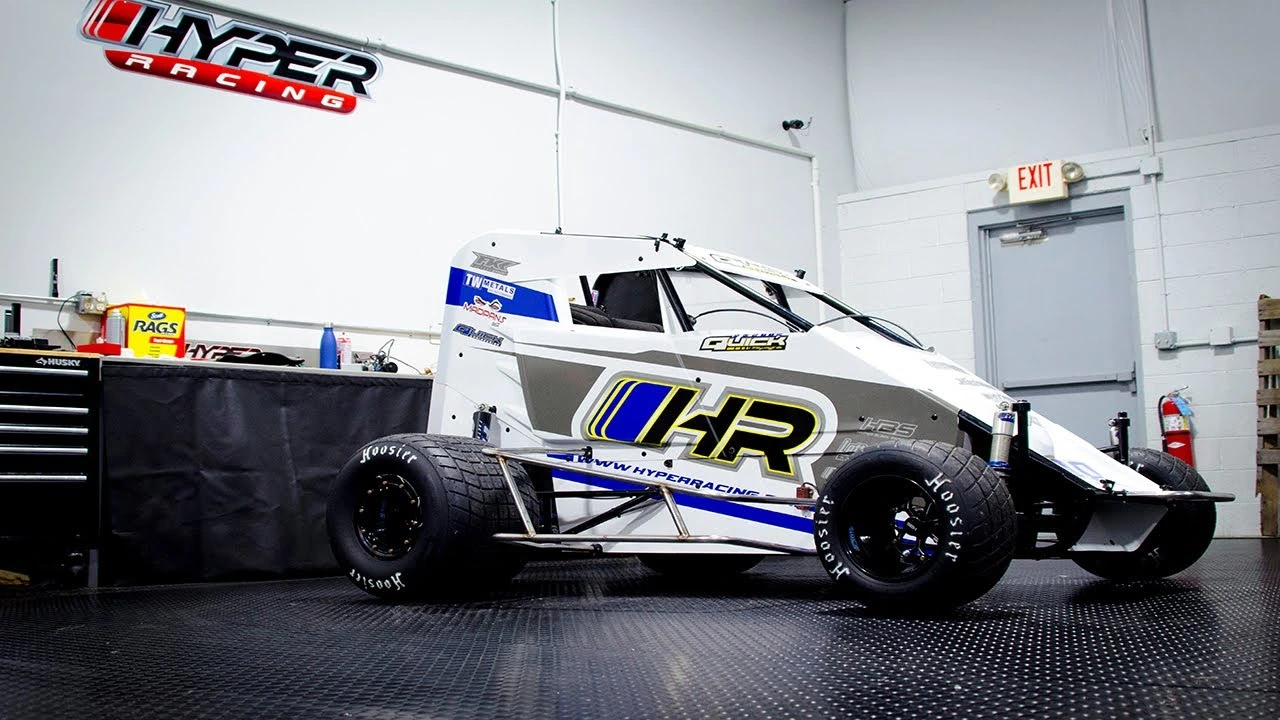
    A micro sprint car is a purpose-built, open-wheel race car designed for competition on small dirt or clay oval tracks. Think of it as a miniature version of the sprint cars you might see in major national series. They feature a similar design, with a protective roll cage, open cockpit, and aggressive look. However, they are smaller, lighter, and use different power plants. The most common type is the 600cc micro sprint car, which is powered by a side-mounted motorcycle engine.

    These cars provide an authentic racing experience, teaching drivers about car control, setup, and race craft on a smaller, more manageable scale. While they are smaller, they are incredibly fast, capable of reaching speeds of up to 100 mph on larger tracks. They are raced in various classes, often distinguished by engine size and whether or not they use wings for added downforce. The sport is popular in the USA, Canada, and Australia, known for its family-friendly atmosphere and competitive racing action.

    Different Names for the Same Thrill

    You might hear micro sprint cars referred to by several different names depending on your location. Some of the common terms include:

    • 600 Sprints
    • Micro Midgets
    • Modified Midgets
    • 600cc Micros

    It is important not to confuse them with “Mini Sprints.” That term historically referred to cars with 1000cc engines, which are now more commonly known as Lightning Sprints. The core of the micro sprint world revolves around the 600cc class.

    Core Components: Engines and Chassis

    The heart and soul of any race car are its engine and chassis. For a micro sprint car, these components are what define its performance and handling on the track. They are specifically designed to be lightweight yet durable enough to handle the rigors of dirt track racing.

    Understanding Micro Sprint Car Engines

    The most popular engine choice for this type of racing is a 600cc, four-cylinder, four-stroke motorcycle engine. These micro sprint car engines are chosen for their high power-to-weight ratio, reliability, and availability. Manufacturers like Yamaha, Suzuki, Kawasaki, and Honda produce engines that are commonly adapted for racing use.

    Most tracks require these engines to run on methanol alcohol instead of gasoline. Methanol provides several advantages: it burns cooler, which helps with engine longevity, and it produces more horsepower. Furthermore, it is considered a safer fuel in the event of a fire. Superchargers and turbochargers are typically not allowed, ensuring a level playing field focused on engine tuning and driver skill. While the 600cc class is dominant, some tracks also support smaller classes using 270cc or 125cc two-stroke engines.

    The Foundation: Micro Sprint Car Chassis

    The micro sprint car chassis is the skeleton of the vehicle. It is a custom-fabricated tube frame that includes the driver’s cockpit, roll cage, and mounting points for the suspension, engine, and body panels. Safety is the top priority in chassis design, with structures built to protect the driver during high-speed impacts and rollovers.

    Chassis builders like Hyper Racing and Concept Chassis are well-known in the industry for producing race-winning designs. A good chassis provides the right balance of rigidity and flex, allowing the suspension to work effectively. Teams can make numerous adjustments to the chassis and suspension to “dial in” the car for different track conditions, which is a key part of being competitive. The chassis is designed to be lightweight, with a complete car weighing between 750-800 pounds with the driver inside.

    Breaking Down a Micro Sprint Car: Key Parts

    Beyond the engine and chassis, numerous other components are essential for a functioning race car. Understanding these micro sprint car parts is crucial for maintenance, repairs, and performance tuning.

    Winged vs. Non-Winged Racing

    One of the most visible differences between micro sprint cars is the presence of a large wing on top.

    • Winged Micros: These cars use large front and top wings to create significant downforce. This downforce pushes the car onto the track, allowing for higher cornering speeds and more stable handling. Racing with a wing is often described as being more about momentum and precision.
    • Non-Winged Micros: Without wings, these cars have much less grip and are prone to sliding. Driving a non-wing car requires exceptional throttle control and car handling skills. It is often seen as a pure form of driver-centric racing.

    Many tracks run both winged and non-winged classes, allowing drivers to compete in either style.

    Essential Micro Sprint Car Parts

    Here is a list of other vital components that make up a complete micro sprint car:

    • Suspension: This includes shock absorbers, torsion bars, and radius rods that connect the wheels to the chassis. A properly tuned suspension is critical for maintaining grip on changing dirt surfaces.
    • Drivetrain: A chain drive transfers power from the side-mounted engine to the rear axle. Teams can change gearing easily by swapping sprockets to match track size.
    • Tires and Wheels: Specific tire compounds and sizes are used for dirt racing. Tire selection and preparation can make or break a race night.
    • Brakes: High-performance disc brakes are essential for slowing the car down into the corners.
    • Safety Equipment: This includes a full-containment racing seat, a multi-point harness, a fire suppression system, and driver-worn gear like a helmet and fire-retardant suit.

    Getting Started in Micro Sprint Racing

    The accessibility of micro sprint racing makes it an attractive option for newcomers. Whether you’re a young driver moving up from karts or an adult looking for a thrilling hobby, the path to getting on track is straightforward.

    How Fast and How Much?

    Two of the first questions people ask are about speed and cost. A 600cc micro sprint car can reach speeds between 70-85 mph on typical 1/6 to 1/4-mile tracks. On larger ovals, they can even hit 100 mph.

    In terms of cost, micro sprint racing is more affordable than many other forms of motorsport. A used, race-ready car can be found for as little as $5,000 to $8,000. A new, top-tier competitive car might cost over $20,000. Ongoing costs include tires, fuel, maintenance, and engine rebuilds, which are significantly cheaper than those for larger sprint cars. An engine rebuild might cost between $800 and $2,000 and is only needed every 20-40 races.

    Finding a Track and a Class

    The first step is to visit a local track that hosts micro sprint races. Buy a pit pass and walk around. Talk to the drivers and crews; the community is generally friendly and willing to share information. This is the best way to understand the culture and learn what it takes.

    Tracks offer different classes to accommodate various skill levels and ages:

    • Restrictor Class: This is a beginner class for young drivers, typically starting around 8-10 years old. A restrictor plate is placed on the engine to limit its horsepower, making the cars easier to handle.
    • Stock (A-Class): This is the most popular class, using stock 600cc micro sprint car engines.
    • Outlaw Class: This class allows for more extensive engine modifications, including larger displacement (up to 640cc), resulting in more horsepower and higher speeds.

    Driver Development and Notable Names

    Micro sprint racing is widely regarded as one of the best training grounds for aspiring professional drivers. The skills learned—such as car control, reading a track, and making quick decisions in traffic—are directly transferable to midgets, full-sized sprint cars, and even NASCAR.

    Many of today’s racing superstars cut their teeth in micro sprint cars, including:

    • Kyle Larson
    • Christopher Bell
    • Chase Briscoe
    • Tyler Courtney
    • Hailie Deegan

    These drivers often return to their micro sprint roots to have fun and keep their skills sharp, which speaks volumes about the quality of the competition.

    Micro Sprint Car Specifications Table

    To give you a clearer picture, here is a breakdown of the typical specifications for a 600cc micro sprint car.

    SpecificationDetails
    Engine Type600cc, 4-Cylinder, 4-Stroke Motorcycle Engine
    Horsepower120-160 HP (Stock/Outlaw)
    FuelMethanol Alcohol
    Drive SystemChain Drive
    ChassisTubular Steel Frame with Integrated Roll Cage
    Weight750-800 lbs (with driver)
    Track SurfacePrimarily Dirt/Clay, Occasionally Asphalt
    Top Speed70-100 mph (depending on track size)
    Primary ClassesRestrictor, Stock (Winged/Non-Wing), Outlaw

    Conclusion

    The micro sprint car offers one of the most exciting and accessible forms of motorsport available today. It combines high speeds, intense competition, and a strong sense of community into a package that is both a destination for weekend racers and a launching pad for future stars. From the roar of the micro sprint car engines to the precision required to navigate a slick dirt track, every aspect of this sport is designed for pure racing excitement. Whether you dream of becoming the next Kyle Larson or just want to experience the thrill of open-wheel racing yourself, the world of micro sprint cars is ready and waiting.

    Frequently Asked Questions (FAQ)

    How old do you have to be to race a micro sprint car?

    The starting age varies by track and class. The Restrictor class, designed for beginners, often allows drivers as young as 8 or 10 years old. For the more powerful stock classes, the minimum age is typically 12 or 14.

    Are micro sprint cars safe?

    Yes, safety is a top priority. A modern micro sprint car chassis is built with a strong roll cage. Drivers are required to use full-containment seats, five-point harnesses, helmets, and fire-retardant racing suits. Tracks also have safety crews on standby during events.

    What is the difference between a micro sprint and a go-kart?

    A micro sprint car is much closer to a full-sized race car than a go-kart. It features a full suspension, a more powerful side-mounted engine, and a complete roll cage. Go-karts are smaller, have no suspension, and are typically the first step for very young drivers before they move into classes like micro sprints.

    How much does it cost to maintain a 600cc micro sprint car?

    Maintenance costs are relatively low compared to other racing classes. A typical budget should account for fuel (methanol), tires (which can last several races), chain/sprocket replacements, and routine engine maintenance like oil changes. Engine rebuilds are a larger expense but are only needed periodically.

    Can I watch micro sprint races online?

    Yes! The popularity of micro sprint racing has grown significantly, and many events are now available via live streaming services. Platforms like FloRacing, DirtVision, and Fast Four Media regularly broadcast major micro sprint events from across the country, making it easy to follow the action.
  • Maybach Sprinter: The Ultimate Luxury Van Experience

    Maybach Sprinter: The Ultimate Luxury Van Experience

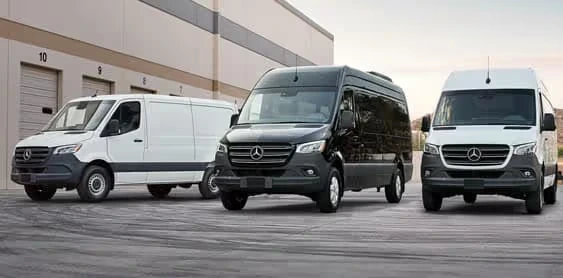
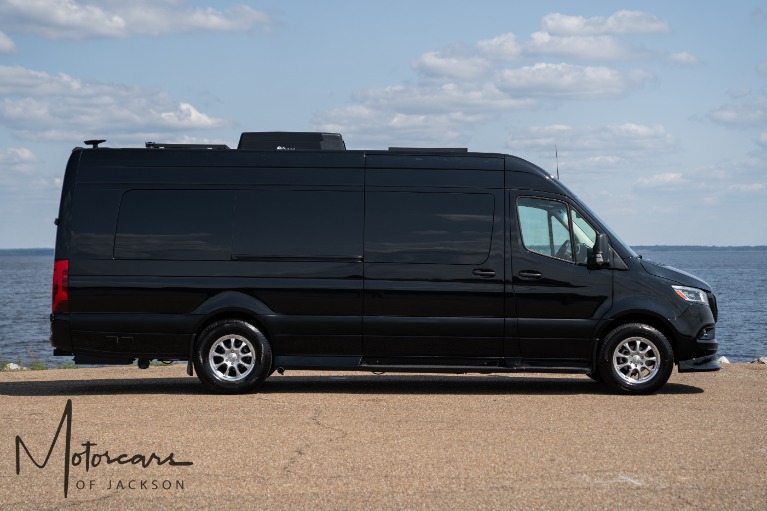
    When you hear the name Maybach, you likely think of supreme luxury and world-class sedans. But what happens when that level of opulence meets the unmatched versatility of a Mercedes-Benz Sprinter? The result is the Maybach Sprinter, a vehicle that redefines luxury travel. While Mercedes-Benz does not produce an official factory model, the term refers to a Mercedes Sprinter van customized by third-party experts to meet the highest standards of comfort and style. These incredible machines are less about getting from point A to point B and more about enjoying a first-class journey on wheels. They combine the reliable engineering of Mercedes with the bespoke luxury of Maybach, creating a rolling VIP lounge perfect for executives, celebrities, and discerning families.

    This article will explore the world of the Maybach Sprinter van. We will dive into what makes these vehicles so special, from their lavish interiors to their advanced technology. You will learn about the customization process, the different applications for these vans, and what sets them apart from any other vehicle on the road.

    Key Takeaways

    • A Maybach Sprinter is not an official model from Mercedes-Benz but a highly customized Mercedes Sprinter van modified by third-party upfitters.
    • These vans are customized to reflect the ultra-luxury standards associated with the Maybach brand.
    • Customizations focus on creating a lavish interior with features like reclining leather seats, advanced entertainment systems, and premium materials.
    • They are popular for executive transport, VIP shuttles, family travel, and as mobile offices.
    • The cost varies widely based on the level of customization, often reaching hundreds of thousands of dollars.

    What Exactly is a Maybach Sprinter?

    It is important to clarify a common point of confusion. Mercedes-Benz does not roll an official “Mercedes Maybach Sprinter van” off its assembly line. The Maybach nameplate, a sub-brand of Mercedes-Benz, is reserved for its most exclusive and luxurious sedans and SUVs, like the Maybach S-Class and GLS. These vehicles are built from the ground up with a focus on unparalleled comfort and refinement.

    So, what is a Maybach Sprinter? The term has become industry shorthand for a Mercedes-Benz Sprinter van that has been transformed by a specialized third-party company. These expert upfitters take a standard Sprinter—known for its space, reliability, and solid engineering—and completely overhaul the interior. They install amenities and design elements inspired by the official Maybach lineup, effectively creating a “Maybach-style” vehicle. This process turns a practical commercial van into a private jet for the road.

    The Role of Third-Party Customizers

    The magic behind the Maybach Sprinter van lies in the hands of skilled artisans and engineers at customization shops. These companies, often called upfitters, specialize in luxury vehicle conversions. They work with clients to design and build interiors that cater to their every desire. From intricate woodwork to custom-stitched leather, they bring the vision of a rolling five-star hotel to life. This bespoke approach ensures that no two Maybach Sprinters are exactly alike, offering a level of personalization that a factory model could never match.

    The Unmistakable Luxury of the Interior

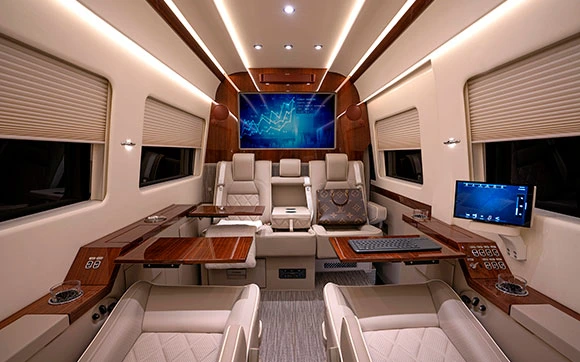
    Stepping inside a Maybach Sprinter is like entering a different world. The standard, utilitarian interior of a commercial van is gone. In its place is a cabin designed for ultimate comfort and sophistication. The goal is to make passengers forget they are in a van and feel as if they are relaxing in a private lounge or the first-class cabin of an airplane. Every detail is meticulously planned and executed with the finest materials available.

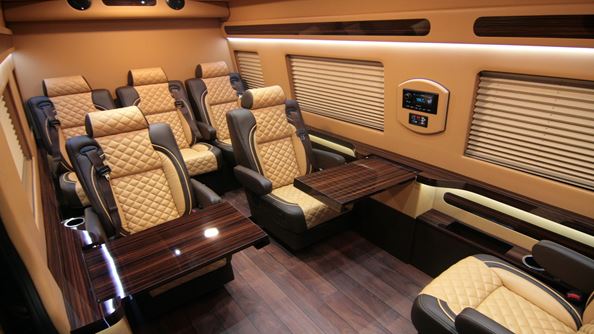
    The layout is often completely reconfigured. Instead of rows of bench seats, you might find four to six large captain’s chairs. These are not just any chairs; they are fully-electric, reclining seats, often with heating, cooling, and massage functions. They are upholstered in premium leathers, sometimes with custom diamond-stitching patterns reminiscent of official Maybach vehicles. The walls and ceiling are typically lined with suede, Alcantara, or other high-end fabrics, adding to the plush, quiet environment.

    Seating and Comfort: A First-Class Experience

    The seating in a Maybach Sprinter is the centerpiece of its luxury. The goal is to provide unparalleled comfort, whether you are on a short trip across town or a long-distance journey.

    • Captain’s Chairs: Most conversions feature large, individual captain’s chairs that can swivel, recline fully, and offer leg rests.
    • Massage Functions: Built-in massage systems with multiple settings help passengers relax and arrive at their destination feeling refreshed.
    • Climate Control: Heating and ventilation are standard features for these seats, ensuring comfort in any weather.
    • Premium Materials: Only the finest materials are used, such as Nappa leather, which is known for its soft texture and durability.

    Craftsmanship and Materials

    The level of craftsmanship in a Mercedes Maybach Sprinter van is exceptional. Every surface is considered an opportunity for a touch of elegance. You will find custom wood trim made from exotic veneers, polished metal accents, and hand-stitched details throughout the cabin. The flooring is often upgraded to high-quality carpets or custom hardwood, and even the headliner receives special treatment, frequently featuring a “starlight” ceiling with hundreds of fiber-optic lights that mimic a starry night sky. This attention to detail creates a cohesive and immersive luxury experience.

    Technology and Entertainment on the Go

    A modern luxury vehicle is defined as much by its technology as it is by its materials. The Maybach Sprinter is a showcase of cutting-edge entertainment and connectivity features, turning the van into a mobile office or theater. These systems are seamlessly integrated into the cabin design, often hidden until they are needed.

    The centerpiece is usually one or more large-screen televisions. These high-definition screens can be mounted on a partition wall between the driver and passengers or even motorize down from the ceiling. They are connected to a state-of-the-art sound system, creating a true cinematic experience. Passengers can watch satellite TV, stream movies from services like Netflix, or connect their own devices. For those who need to stay productive, the van can be equipped with high-speed Wi-Fi, turning it into a fully functional mobile workspace.

    Integrated Entertainment Systems

    Entertainment is a key component of the Maybach Sprinter van experience. Passengers can enjoy a variety of media without ever leaving their seats.

    • Large-Screen TVs: Typically, you’ll find 4K smart TVs, sometimes as large as 50 inches, often on a motorized partition for privacy.
    • Surround Sound: Premium audio systems from brands like Burmester or Focal provide crystal-clear, immersive audio.
    • Gaming Consoles: Many conversions include built-in PlayStation or Xbox consoles for entertainment on long trips.
    • Smart Control: All of these features are often controlled through a central touchscreen tablet or an app, allowing passengers to adjust lighting, climate, and media with ease.

    Connectivity for Business and Pleasure

    Staying connected is non-negotiable for many clients who use a Maybach Sprinter. These vans are equipped to serve as a mobile office, ensuring productivity is never compromised. High-speed 5G Wi-Fi hotspots, multiple USB charging ports, and 110V outlets are standard. This allows passengers to power laptops, join video conferences, and stay in touch with the outside world, all while traveling in complete comfort and privacy.

    The Exterior: Subtle Style or Bold Statement?

    While the interior is the main attraction, the exterior of a Maybach Sprinter can also be customized. The approach can range from subtle and discreet to bold and eye-catching. Some owners prefer a stealthy look, keeping the exterior mostly stock so it blends in with other Sprinter vans. This “stealth wealth” approach allows for incognito travel without drawing unwanted attention.

    On the other hand, many owners want the exterior to reflect the luxury within. Customizations can include:

    • A unique front grille designed to mimic the look of an official Maybach vehicle.
    • Custom wheels and high-performance tires.
    • A full body kit with revised bumpers and side skirts.
    • Custom paint jobs, including two-tone color schemes that are a signature of the Maybach brand.

    These modifications give the Maybach Sprinter van a more commanding presence on the road, signaling that it is no ordinary van.

    Performance and Drivability

    Despite its luxurious interior and added weight, the Maybach Sprinter is still built on the highly capable Mercedes-Benz Sprinter platform. These vans are known for their strong performance and reliable engineering. They are typically powered by a robust diesel engine that provides ample torque to handle the extra weight of the conversion without feeling sluggish.

    The driving experience is smooth and controlled. Many upfitters add upgraded suspension systems to further enhance ride comfort, absorbing bumps and ensuring a serene cabin environment. While it is a large vehicle, modern driver-assist features like a 360-degree camera system, adaptive cruise control, and lane-keeping assist make it surprisingly easy to manage in various driving conditions. Some conversions are even based on the 4×4 Sprinter chassis, providing all-weather capability.

    Who Uses a Maybach Sprinter?

    The versatility and luxury of the Maybach Sprinter make it a popular choice for a wide range of applications. It is far more than just a family van; it is a multi-purpose luxury tool.

    Executive and Corporate Transport

    Companies use these vans as mobile boardrooms and for transporting VIP clients. The privacy partition allows for confidential discussions, and the comfortable seating ensures executives arrive at meetings relaxed and prepared.

    Celebrity and VIP Use

    For celebrities, athletes, and public figures, the Maybach Sprinter van offers a perfect blend of privacy and luxury. Tinted windows and a discreet exterior can help avoid paparazzi, while the opulent interior provides a comfortable sanctuary between public appearances.

    Luxury Family Travel

    For families who want to travel in ultimate comfort, the Maybach Sprinter is an ideal solution. It has plenty of space for kids and cargo, and the advanced entertainment systems can keep everyone occupied on long road trips. It is a significant upgrade from a traditional minivan or SUV.

    Bespoke Tour Operations

    High-end tour companies and hotels use these vans to offer their guests exclusive, private tours. It provides a level of comfort and class that elevates the entire travel experience.

    How Much Does a Maybach Sprinter Cost?

    As you might expect, this level of custom luxury does not come cheap. The final price of a Maybach Sprinter can vary dramatically based on the level of customization. The process starts with a new Mercedes-Benz Sprinter van, which can cost between $50,000 and $70,000.

    The conversion itself can add anywhere from $100,000 to over $400,000 to the total cost. The price depends on the materials, technology, and complexity of the build. A basic luxury conversion might be on the lower end, while a van with a full bathroom, kitchenette, and the highest-end electronics will be at the top of the range. Ultimately, the cost is determined by the client’s imagination and budget.

    Important Points to Remember

    • Unofficial Model: The Maybach Sprinter is a custom conversion, not a factory vehicle from Mercedes-Benz.
    • Expert Upfitters: These vans are created by specialized third-party companies that excel in luxury vehicle modification.
    • Unmatched Luxury: The interior is the star, featuring custom seating, high-end materials, and advanced technology.
    • Highly Versatile: They are used for everything from executive transport and VIP shuttles to luxury family road trips.
    • Significant Investment: The combination of a base van and extensive customization results in a final price that can easily exceed that of a high-end luxury sedan.

    Conclusion

    The Maybach Sprinter represents the pinnacle of luxury road travel. It takes the practicality and reliability of the Mercedes-Benz Sprinter and infuses it with the opulence and bespoke craftsmanship of the Maybach ethos. While not an official model, these custom-built vehicles offer an unmatched experience for those who demand the very best in comfort, technology, and privacy. Whether used as a mobile office for a busy executive, a private shuttle for a celebrity, or a first-class family cruiser, the Mercedes Maybach Sprinter van is more than just a mode of transportation—it is a destination in itself. It proves that you don’t need a private jet to travel in ultimate style.

    Frequently Asked Questions (FAQ)

    1. Can I buy a Maybach Sprinter directly from a Mercedes-Benz dealer?
    No, Mercedes-Benz does not manufacture or sell an official Maybach Sprinter. You would need to purchase a Mercedes-Benz Sprinter van and then work with a third-party customization company to create the Maybach-style conversion.

    2. How long does it take to build a custom Maybach Sprinter?
    The build time can vary significantly depending on the complexity of the conversion and the upfitter’s schedule. A typical project can take anywhere from three to nine months from design finalization to completion.

    3. Is the Maybach Sprinter reliable?
    Yes. The vehicle is built on the proven Mercedes-Benz Sprinter platform, which is known for its durability and reliability. Reputable upfitters use high-quality components and adhere to strict safety standards, ensuring the custom elements are as reliable as the van itself.

    4. Can a Maybach Sprinter have a bathroom?
    Absolutely. Many high-end conversions include a compact, fully functional bathroom, complete with a toilet and a sink. This feature is especially popular for those who plan to use the van for long-distance travel.

    5. How many people can a Maybach Sprinter van seat?
    The seating capacity depends entirely on the custom layout. Most luxury conversions are configured to seat between four and nine passengers to maximize individual space and comfort. Fewer seats generally allow for larger, more luxurious chairs and more amenities.

  • A Deep Dive into the Mercedes Sprinter Van Interior

    A Deep Dive into the Mercedes Sprinter Van Interior

    The Mercedes-Benz Sprinter van is known for its reliability, power, and iconic design. But what truly sets it apart is its incredibly versatile and customizable interior. Whether you’re a business owner needing a functional workspace, a large family requiring comfortable transport, or an adventurer building the camper of your dreams, the mercedes sprinter van interior offers a perfect canvas.

    This guide will walk you through everything you need to know, from standard features and cargo space to popular conversion ideas and essential accessories. We’ll explore the various layouts and options that make this van a top choice for so many different needs.

    The interior is where the magic happens. It’s a blank slate ready to be transformed. You can keep it simple for hauling cargo or deck it out with luxury finishes for executive transport. The possibilities are nearly endless, making the Sprinter a leader in the full-size van market.

    Key Takeaways

    • Versatility is Key: The Sprinter’s interior can be configured for cargo, passengers, or as a fully equipped camper.
    • Multiple Dimensions: It comes in different wheelbases and roof heights, allowing you to choose the perfect amount of space.
    • Comfort and Tech: Even the base models offer comfortable seating and modern technology, with many options for upgrades.
    • Endless Customization: The van is a favorite for “upfitters” who create custom solutions for business, travel, and luxury.
    • Safety First: Mercedes-Benz integrates advanced safety features into the design, protecting both drivers and passengers.

    Understanding the Standard Mercedes Sprinter Van Interior

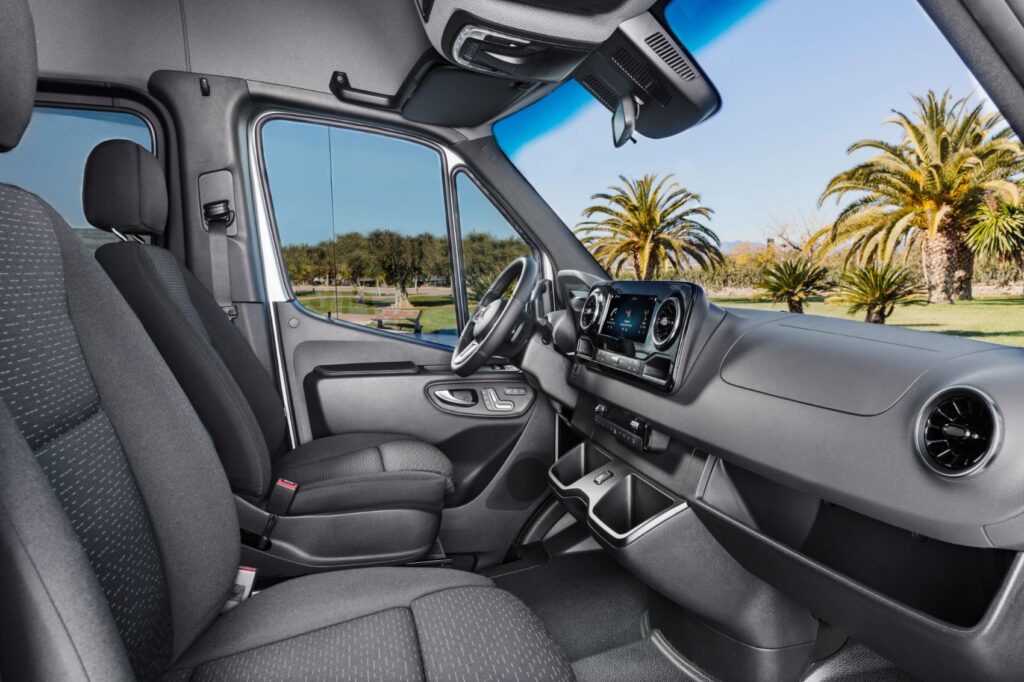
    Before you start planning your custom build, it’s helpful to know what you get with a standard mercedes sprinter van interior. The base models are designed with practicality and durability in mind. The focus is on providing a functional and comfortable space for the driver and passengers. You will find that the materials used are tough and easy to clean, which is perfect for a work vehicle. The dashboard is modern and user-friendly, putting all essential controls within easy reach. This focus on ergonomics means less driver fatigue on long trips.

    Even in its most basic form, the Sprinter feels premium. The seats offer good support, and the cabin provides excellent visibility of the road. Standard features often include a high-quality multimedia system, USB-C ports for charging devices, and climate control to keep the cabin comfortable in any weather. The layout is spacious, allowing for easy movement between the driver’s area and the back of the van, a detail that many owners appreciate.

    The Driver’s Cockpit: Comfort Meets Technology

    Mercedes-Benz has put a lot of thought into the driver’s area. The seats are adjustable and designed for long-haul comfort. The steering wheel can often be equipped with controls for the audio system and phone, allowing you to keep your hands on the wheel and your eyes on the road. A key feature in newer models is the MBUX (Mercedes-Benz User Experience) infotainment system. This system features a high-resolution touchscreen display, intelligent voice control, and smartphone integration with Apple CarPlay and Android Auto. It transforms the cabin into a connected, smart workspace.

    Standard Seating and Upholstery

    The standard upholstery in a Sprinter is typically a durable fabric or hard-wearing synthetic leather like Caluma black cloth. These materials are chosen for their ability to withstand the daily wear and tear of commercial use. They are easy to clean and maintain, which is a major plus for busy professionals. For passenger models, the seating is designed to be both safe and comfortable, with ample legroom and easy access to each row. The seats are built to last, providing support for passengers on both short commutes and long road trips.

    Exploring Different Sprinter Van Configurations

    One of the greatest strengths of the Sprinter is the sheer number of configurations available. You can choose from different lengths, heights, and body styles to get the exact interior mercedes sprinter van space you need. This flexibility is why the Sprinter is so popular across various industries and with private owners.

    Cargo Van

    The Cargo Van is the ultimate workhorse. It offers the most expansive and open interior space, designed purely for hauling goods.

    • Maximum Space: The interior is a large, empty shell, ready for shelves, tools, or any cargo you need to transport.
    • Payload Capacity: It boasts an impressive payload capacity, allowing you to carry heavy loads without issue.
    • Floor and Walls: The floor is typically flat and durable, and the walls provide anchor points for securing your cargo.

    Crew Van

    The Crew Van is a smart hybrid. It combines passenger seating with a generous cargo area.

    • Best of Both Worlds: It typically features a removable three-seat bench behind the front seats, allowing you to carry up to five people.
    • Separated Areas: A partition often separates the crew area from the rear cargo space, ensuring safety and organization.
    • Versatile Use: This is perfect for trade professionals who need to transport a team and their equipment to a job site.

    Passenger Van

    The Passenger Van is designed to move people in comfort and style. It is a popular choice for shuttle services, large families, and tour operators.

    • High Capacity Seating: Depending on the configuration, it can comfortably seat up to 15 people.
    • Comfort Features: These vans often come with rear air conditioning, comfortable bench seats, and large windows for passengers.
    • Easy Access: Wide-opening doors and a low step-in height make it easy for passengers to get in and out.

    Cab Chassis

    The Cab Chassis offers the ultimate flexibility for custom builds. You get the Sprinter cab and a bare frame in the back. This allows you to add a custom box, flatbed, or other specialized body to meet very specific business needs, from delivery boxes to small RVs.


    Dimensions and Space: Roof Heights and Wheelbases

    The amount of usable space inside your Sprinter is determined by two main factors: the wheelbase and the roof height. Understanding these options is crucial for choosing the right van.

    Sprinter Wheelbase Options

    The wheelbase is the distance between the front and rear wheels. A longer wheelbase means a longer van and more interior floor space.

    • 144-inch Wheelbase: This is the standard, more maneuverable option. It’s easier to park and drive in city environments while still offering substantial interior room. It’s a popular choice for tradespeople and camper van builders who prioritize agility.
    • 170-inch Wheelbase: This option provides a significant increase in length, creating a massive interior space for cargo or more elaborate camper conversions.
    • 170-inch Extended Wheelbase: This is the largest option available, adding even more length to the rear of the van. It offers cavernous space, ideal for maximum cargo or creating a camper with distinct living zones.

    Understanding Roof Heights

    The interior height is just as important as the length, especially for camper conversions or if you need to stand up inside the van.

    • Standard Roof: This is the lowest roof option. While you can’t stand up straight inside (unless you’re very short), it’s great for fitting into garages and navigating areas with low clearance.
    • High Roof: This is the most popular option, particularly for camper vans. It allows most people to stand up comfortably inside, completely changing the feel of the space and making it much more livable.
    • Super High Roof: Available on some models, this offers the maximum possible interior height for those who need extra vertical space for storage or equipment.

    The Ultimate Canvas: Mercedes Sprinter Camper Van Interior

    The mercedes sprinter camper van interior is where creativity truly shines. The van’s reliability, space, and smooth ride make it the perfect base for building a mobile home. Van life enthusiasts and professional converters alike praise the Sprinter for its straightforward, boxy shape, which simplifies the building process. You can create a layout that includes a bed, kitchen, seating area, and even a bathroom.

    Common layouts include a fixed bed in the back with a “garage” storage area underneath for bikes and gear. The kitchen, or galley, is often placed along one of the walls, featuring a sink, a small stove, and a refrigerator. Seating is often created by installing a bench seat or using swivel seats in the driver’s cab that can turn to face the living area. The high-roof option is almost always chosen for camper conversions because it allows you to stand and move around freely, making the space feel less like a vehicle and more like a home.

    Essential Components of a Camper Conversion

    • Insulation and Sound Deadening: This is the first and most critical step. It keeps the van warm in the winter, cool in the summer, and reduces road noise.
    • Flooring: A subfloor is installed over the metal van floor, followed by a durable and stylish finished flooring like vinyl plank.
    • Electrical System: This is the heart of the van. It powers lights, fans, refrigerators, and outlets. Most systems use solar panels, a battery bank, and an inverter.
    • Kitchenette (Galley): This can be as simple as a camp stove on a counter or a full setup with a sink, running water, and an induction cooktop.
    • Sleeping Area: Options range from a fixed platform bed to a convertible dinette that turns into a bed.
    • Storage: Clever storage solutions like overhead cabinets, drawers, and under-bed storage are essential for keeping the small space organized.

    Comfort for Many: The 12 Passenger Mercedes Sprinter Van Interior

    The 12 passenger mercedes sprinter van interior is a masterclass in efficient and comfortable people-moving. This configuration is a popular choice for hotels, airport shuttles, and private tour companies. It typically features four rows of seating, including the driver and front passenger. The seats are designed for comfort, with enough legroom and elbow room to make even longer journeys pleasant.

    Safety is a top priority in these models. Each seat is equipped with a seatbelt, and the van includes features like large windows for visibility and emergency exits. The high roof is standard on most 12- and 15-passenger models, providing an open, airy feel and making it easy for passengers to move to their seats. Amenities like rear climate control ensure that everyone stays comfortable, regardless of where they are sitting. There is still a decent amount of luggage space behind the last row, making it practical for airport runs.


    Customization and Upfitting the Mercedes Benz Sprinter Van Interior

    The mercedes benz sprinter van interior is famously easy to customize, a process known as “upfitting.” Mercedes-Benz actively supports a network of certified upfitters who can transform a Sprinter for any purpose.

    Luxury and Executive Conversions

    For those seeking the ultimate in comfort and style, luxury conversions turn the Sprinter into a private jet on wheels. These builds feature:

    • Plush leather captain’s chairs with heating, cooling, and massage functions.
    • High-end entertainment systems with large-screen TVs and premium sound.
    • Custom cabinetry with exotic wood veneers.
    • A wet bar with a refrigerator and drink holders.
    • Ambient lighting to set the mood.

    Mobile Business Solutions

    Businesses are using Sprinters as mobile offices, workshops, and retail stores.

    • Mobile Workshop: Plumbers, electricians, and contractors install durable shelving, workbenches, and tool storage.
    • Mobile Office: Sales professionals and remote workers can have a desk, reliable internet, and comfortable seating to work on the go.
    • Pop-Up Shop: Boutiques and brands can create a mobile retail experience to take their products directly to customers at events and markets.

    Conclusion

    The mercedes sprinter van interior is a testament to thoughtful design and incredible versatility. It serves as a durable workhorse, a comfortable people-mover, and a blank canvas for the wildest of dreams. From the practical layout of the driver’s cockpit to the endless possibilities of a high-roof cargo bay, the Sprinter offers a solution for nearly every need. Whether you are building a business, planning cross-country adventures, or transporting a group in style, the Sprinter provides a reliable, comfortable, and highly customizable foundation to build upon. Its combination of space, performance, and premium feel ensures it will remain a leader in its class for years to come.


    Frequently Asked Questions (FAQ)

    1. Can you stand up inside a Mercedes Sprinter van?
    Yes, you can comfortably stand up inside a Sprinter van if you choose the high-roof or super-high-roof option. The standard roof is too low for most adults to stand upright.

    2. What is the most popular Sprinter model for a camper conversion?
    The most popular model for a mercedes sprinter camper van interior is the Cargo Van with the 144″ or 170″ wheelbase and the high roof. This combination provides a good balance of living space and maneuverability.

    3. How many people can a Mercedes Sprinter Passenger Van hold?
    A Sprinter Passenger Van can be configured to hold up to 15 people, including the driver. The 12-passenger configuration is also a very common and comfortable option.

    4. What is MBUX in a Sprinter van?
    MBUX stands for Mercedes-Benz User Experience. It is an advanced multimedia system that includes a touchscreen, voice control (“Hey, Mercedes”), smartphone integration, and navigation. It makes the driving experience more connected and intuitive.

    5. Are Sprinter van interiors difficult to customize?
    No, quite the opposite. The Sprinter’s boxy shape, flat floor, and available space make it one of the easiest vans to customize. There is also a massive community of DIY builders and professional upfitters who share plans, ideas, and products specifically for the Sprinter.