Category: InfoSprint Blog

The InfoSprint Blog delivers fast, actionable insights on technology, business, innovation, and digital trends to keep you informed and ahead.

  • Sprinter Boxwood Buxus: The Guide for Your Garden

    Sprinter Boxwood Buxus: The Guide for Your Garden

    Are you looking for a fast-growing, low-maintenance, and beautiful evergreen for your garden? The sprinter boxwood buxus might be the perfect plant for you. This exceptional shrub offers the classic elegance of a boxwood but with improved features that make it a standout choice for modern landscapes.

    It provides year-round interest with its glossy green leaves and maintains a neat, upright shape with minimal effort. Whether you’re designing a formal hedge, creating a foundation planting, or adding structure to a container garden, this versatile plant delivers. This guide will cover everything you need to know about growing and caring for this fantastic shrub.

    Understanding the Sprinter Boxwood Buxus

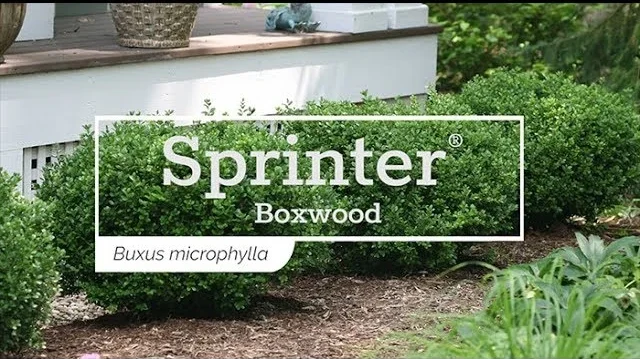
    The sprinter boxwood buxus is a specific cultivar of Buxus microphylla, also known as Japanese boxwood. It was developed as an improved version of the popular ‘Winter Gem’ boxwood. The main goal was to create a plant with a faster growth rate, allowing gardeners to establish hedges and fill spaces more quickly. It succeeded, offering not just speed but also excellent hardiness and a naturally upright, dense growth habit.

    This means you get the lush, full look you want in less time. Its attractive, glossy foliage remains vibrant throughout the year, adding consistent color and texture to your landscape even in the depths of winter. This makes the boxwood buxus microphylla sprinter a reliable and rewarding choice.

    What Makes It Special?

    So, why choose a sprinter boxwood buxus over other varieties? Its key advantages lie in its genetics. It was bred to overcome some of the common drawbacks of older boxwood types. It’s more than just a fast grower; it’s a robust and adaptable plant. This shrub holds its deep green color well through cold weather, resisting the “bronzing” that can affect other evergreens.

    Its upright habit means it requires less pruning to maintain a tidy shape, saving you time and effort. Additionally, it shows good resistance to common pests and diseases, including some tolerance to boxwood blight. The combination of speed, hardiness, and low maintenance makes the buxus sprinter boxwood an excellent investment for any gardener seeking reliable performance and lasting beauty.

    Ideal Growing Conditions for Your Sprinter Boxwood Buxus

    To ensure your sprinter boxwood buxus thrives, providing the right environment is key. Fortunately, this plant is quite adaptable and can succeed in a variety of conditions. By meeting its basic needs for light, soil, and water, you can enjoy a healthy, vibrant shrub for years to come. Proper placement from the start will minimize future maintenance and help the plant reach its full potential. Let’s explore the optimal conditions for this versatile evergreen.

    Sunlight Requirements

    One of the best features is its flexibility with sunlight. It can grow in a range of light conditions, from full sun to partial shade.

    • Full Sun (6+ hours): Planting in full sun will encourage the fastest and densest growth. This is ideal if you are trying to establish a hedge or screen quickly.
    • Partial Shade (4-6 hours): It also performs beautifully in locations that receive morning sun and afternoon shade. This can be beneficial in hotter climates, as the afternoon shade can protect the leaves from scorching.
    • Full Shade (less than 4 hours): While it can tolerate shadier spots, its growth may become less dense and a bit slower.

    For best results, aim for a location that receives at least four to six hours of direct sunlight each day. This balance ensures vigorous growth without stressing the plant.

    Soil and Water Needs

    Proper soil and watering are crucial for the health of your sprinter boxwood buxus live evergreen shrub. This plant prefers moist, but well-drained soil. It does not like to have “wet feet,” as soggy conditions can lead to root rot. If you have heavy clay soil, amend it with compost or other organic matter to improve drainage. When you first plant your shrub, water it deeply and consistently to help it establish a strong root system.

    Once established, it has average water needs. Water it regularly, especially during hot, dry periods. A good rule of thumb is to check the soil; if the top inch or two is dry, it’s time to water. Applying a layer of mulch around the base of the plant can help retain soil moisture and regulate temperature.

    How to Plant Your Sprinter Boxwood Buxus

    Planting it correctly is the first step toward a healthy, long-lasting shrub. The process is straightforward, but taking a few extra moments to do it right pays off. The best times to plant are in the spring or fall, as the cooler temperatures reduce transplant shock and allow the roots to establish before the stress of summer heat or winter cold.

    Step-by-Step Planting Guide

    1. Dig the Hole: Dig a hole that is twice as wide as the plant’s root ball and just as deep. The width allows the roots to spread out easily.
    2. Prepare the Plant: Gently remove the sprinter boxwood buxus microphylla from its container. If the roots are tightly bound, carefully loosen them with your fingers to encourage them to grow outward into the new soil.
    3. Position the Plant: Place the plant in the center of the hole. The top of the root ball should be level with or slightly above the surrounding ground. Planting too deep can cause the stem to rot.
    4. Backfill the Soil: Fill the hole with the soil you removed, gently tamping it down to eliminate any large air pockets. Avoid packing the soil too tightly.
    5. Water Thoroughly: Water the newly planted shrub deeply to settle the soil and hydrate the roots. This is a critical step for a successful start.

    Spacing Your Shrubs

    Proper spacing is important, especially if you are creating a hedge. For a dense hedge, space your sprinter boxwood buxus plants about 2 to 3 feet apart, measuring from the center of each plant. This allows them to grow together and form a continuous green wall. If you are using them as individual specimen plants, give them at least 4 to 5 feet of space so their natural, upright form can be appreciated.

    Caring for Your Sprinter Boxwood Buxus

    Once it is in the ground, it requires minimal care to stay healthy and look its best. Its easy-going nature is one of its most appealing qualities. Following a simple routine of fertilizing and pruning will keep your shrub thriving season after season.

    Fertilizing for Healthy Growth

    To support its fast growth and vibrant foliage, you can fertilize your sprinter boxwood buxus in the early spring. Use a balanced, slow-release fertilizer formulated for trees and shrubs. This will provide a steady supply of nutrients throughout the growing season. Applying fertilizer just as new growth begins gives the plant the boost it needs to produce lush, green leaves. Always follow the instructions on the product label for the correct application rate. A single spring feeding is usually sufficient for the entire year.

    Pruning and Shaping

    One of the significant advantages of the buxus sprinter boxwood is that it needs very little pruning to maintain its shape. Its natural habit is dense and upright. However, you can prune it to encourage a more formal shape or to control its size. The best time to prune is in late spring or early summer, after the first flush of new growth has hardened off. You can perform a light shearing to create a neat hedge or trim any errant branches to maintain a tidy appearance. Avoid heavy pruning late in the season, as this can stimulate new growth that may be damaged by an early frost.

    Common Uses in Landscape Design

    The versatility makes it a favorite among gardeners and landscape designers. Its combination of evergreen foliage, manageable size, and tidy habit allows it to fit into numerous garden styles and functions.

    • Formal Hedges: Its dense growth and quick establishment make it an excellent choice for creating low, formal hedges that define garden beds or walkways.
    • Foundation Plantings: Placed along the foundation of a house, it provides year-round structure and greenery without growing large enough to block windows or overwhelm the space.
    • Container Gardens: The sprinter boxwood buxus live evergreen shrub performs well in pots and containers, where it can serve as an elegant, upright “thriller” element.
    • Specimen Plants: A single Sprinter Boxwood can be used as a focal point in a small garden bed or to add vertical interest.
    • Mass Plantings: Planting them in large groups creates a beautiful, textured groundcover on slopes or in wide-open areas.

    Its consistent performance and classic look ensure that the boxwood buxus microphylla sprinter adds value and beauty wherever it is planted.

    Dealing with Pests and Diseases

    While the sprinter boxwood buxus is a hardy plant, no shrub is completely immune to problems. Being aware of potential issues can help you act quickly to protect your plant. The most common concerns for boxwoods are boxwood leafminers, psyllids, and fungal diseases like boxwood blight. Sprinter has shown better resistance than many older varieties, but it’s still wise to monitor your plants.

    Ensure good air circulation by not overcrowding plants. Water at the base of the shrub to keep the foliage dry, which helps prevent fungal growth. If you notice signs of pests, such as cupped leaves or yellowing, consult your local garden center for appropriate treatment options. A healthy, well-cared-for plant is always the best defense against pests and diseases.

    Conclusion

    The sprinter boxwood buxus is truly a superior shrub that offers something for every gardener. Its fast growth rate, beautiful evergreen foliage, and excellent hardiness make it a top-tier choice for a wide range of landscape applications. Whether you need a quick-forming hedge, an elegant foundation plant, or a structured container element, this plant delivers with grace and reliability.

    By providing it with the right growing conditions and basic care, you can enjoy the timeless beauty of this Buxus microphylla cultivar for many years. It is an easy-to-grow plant that rewards you with a lush, green presence all year long.

    Important Points to Remember

    • It’s a fast-growing, improved version of ‘Winter Gem’ boxwood.
    • Grows 2-4 feet tall and wide, with an upright habit.
    • Thrives in full sun to partial shade.
    • Prefers moist, well-drained soil.
    • Excellent for hedges, foundation plantings, and containers.
    • Resistant to deer and salt.
    • Requires minimal pruning but can be shaped in early summer.

    Frequently Asked Questions (FAQ)

    1. How fast does Sprinter Boxwood Buxus grow?
    The sprinter boxwood buxus has a faster growth rate than many other boxwood varieties. While the exact rate depends on growing conditions, you can expect it to establish itself and fill in much more quickly than traditional cultivars, making it ideal for hedges.

    2. Is the Sprinter Boxwood Buxus deer resistant?
    Yes, one of the great benefits of this shrub is its resistance to deer. While no plant is completely deer-proof, deer tend to avoid boxwoods, making the buxus sprinter boxwood an excellent choice for areas with high deer populations.

    3. Does this boxwood have the typical boxwood smell?
    The sprinter boxwood buxus microphylla is a Japanese boxwood, which is known for having little to no odor compared to its English boxwood cousins. This makes it a more pleasant choice for planting near patios, windows, or entryways.

    4. Can I grow Sprinter Boxwood Buxus in a container?
    Absolutely! The sprinter boxwood buxus live evergreen shrub does very well in containers. Its upright habit and manageable size make it a perfect “thriller” for pot arrangements. Just ensure the container has good drainage and you water it regularly, as pots dry out faster than garden soil.

    5. What are the hardiness zones for this shrub?
    The boxwood buxus microphylla sprinter is quite hardy and is generally recommended for USDA Zones 5 through 9. This wide range makes it suitable for a majority of climates across the United States.

  • Hicetnunc Art: The Rise, Fall, and Rebirth of a Creative Revolution

    Hicetnunc Art: The Rise, Fall, and Rebirth of a Creative Revolution

    Once upon a time in the digital world, there was a special place for artists. It was called Hic et Nunc, which is Latin for “Here and Now.” This platform changed the game for creators, especially those who felt left out of the traditional art scene. This article explores the world of hicetnunc art, a movement that showed everyone how powerful a community can be. It was a unique space on the internet where anyone could create and sell digital art without high costs or gatekeepers.

    The platform was built on the Tezos blockchain, known for being more environmentally friendly. This made it possible for artists from all over the world, especially from the Global South and queer communities, to share their work. Even though the original site suddenly shut down, its spirit lives on. We will dive into what made hicetnunc art so special, what happened to the original platform, and where you can find its legacy today. This story is about more than just technology; it’s about creativity, community, and the ongoing quest for a more open and inclusive art world.

    The Vision Behind Hicetnunc Art

    Hicetnunc was launched in March 2021 by a Brazilian developer named Rafael Lima. His vision was simple yet powerful: create a truly open and democratic marketplace for digital artists. At the time, the NFT world was dominated by expensive platforms built on the Ethereum blockchain. This created a high barrier to entry for many creators. Lima wanted to build something different. He chose the Tezos blockchain because of its low energy consumption and minimal transaction fees, often called “gas fees.” This choice made it incredibly cheap to “mint,” or create, an NFT. Artists could mint their work for just a few cents, opening the door for countless people who had been previously excluded.

    The platform was designed to be radically inclusive. There were no curators deciding whose art was worthy. Anyone with a creative idea could mint and sell their work. This permissionless system attracted a diverse global community. Artists who felt marginalized by the mainstream art world found a home at Hicetnunc. The focus was on the hicetnunc art itself, not on hype or high prices. This grassroots approach fostered a supportive and experimental environment where creativity flourished. The name “Here and Now” perfectly captured the platform’s ethos of immediate, unfiltered artistic expression.

    What Made Hicetnunc Different?

    Hicetnunc stood out from the crowded NFT space for several key reasons. Its core philosophy was accessibility for all. While other platforms felt exclusive, Hicetnunc was open and welcoming. The ultra-low minting costs on the Tezos blockchain were a major draw. Artists no longer needed to spend hundreds of dollars just to put their work on the blockchain. This feature alone democratized the creation of hicetnunc art nft pieces, making it a viable option for artists in developing countries or those with limited financial resources. The platform’s minimalist design also put the art front and center, creating a clean, gallery-like experience for both creators and collectors.

    Another unique aspect was its decentralized nature. Artworks were stored on the InterPlanetary File System (IPFS), a distributed network for storing and sharing data. This meant that even if the main website went down, the art itself would remain safe and accessible on the blockchain. This security gave artists peace of mind. The community culture was also special. Events like #OBJKT4OBJKT encouraged artists to trade their works with each other, fostering connections and mutual support. This was a stark contrast to the speculative, profit-driven nature of many other NFT marketplaces.

    The Tezos Blockchain: An Eco-Friendly Choice

    One of the biggest criticisms of early NFTs was their environmental impact. The Ethereum blockchain, which powered most major NFT platforms at the time, used a Proof-of-Work (PoW) system. This system required massive amounts of computational power, leading to a significant carbon footprint. The team behind hicetnunc art made a conscious decision to use the Tezos blockchain instead. Tezos operates on a Proof-of-Stake (PoS) consensus mechanism. This method is vastly more energy-efficient, using over two million times less energy than PoW blockchains like Bitcoin or Ethereum at that time.

    This eco-friendly approach was a huge selling point for many artists and collectors. They could participate in the NFT revolution without feeling guilty about harming the planet. The choice of Tezos aligned perfectly with the platform’s inclusive and forward-thinking values. It showed that it was possible to build a thriving digital art ecosystem that was also sustainable. This commitment to the environment helped attract a community that was not just interested in making money, but also in building a better, more responsible future for digital art. The low energy use made the hicetnunc art movement feel more ethical and accessible.

    Understanding Proof-of-Stake vs. Proof-of-Work

    To understand why Tezos was a game-changer, it helps to know the difference between Proof-of-Work and Proof-of-Stake. Proof-of-Work, used by Bitcoin and early Ethereum, involves “miners” solving complex mathematical puzzles to validate transactions and create new blocks. This process is a race that requires immense electrical power. The first miner to solve the puzzle gets rewarded. This competitive system is secure but incredibly wasteful.

    Proof-of-Stake, on the other hand, works differently. Instead of miners competing, network participants called “validators” are chosen to create new blocks based on the number of coins they “stake,” or lock up, as collateral. This system removes the need for energy-intensive computations. Because of this, PoS is much kinder to the environment. The decision to build hicetnunc.art on Tezos was a pioneering move that set a new standard for sustainability in the NFT space. It proved that blockchain technology could evolve to address its environmental shortcomings.

    The Sudden Shutdown and Community Response

    In November 2021, the Hicetnunc community received a shock. The founder, Rafael Lima, abruptly shut down the website. The homepage was replaced with a cryptic message, and the platform that had become a vibrant hub for thousands of artists was suddenly gone. The reason for the shutdown was never fully clarified, but it was rumored to be related to the stress of managing such a rapidly growing platform. Without any warning, the central point of access for the hicetnunc art community disappeared, leaving many artists and collectors in a state of confusion and panic.

    What happened next was a powerful demonstration of community strength. Because the art and transaction data were stored on the decentralized Tezos blockchain and IPFS, nothing was truly lost. The community quickly rallied together. Developers and artists worked to create “mirrors” of the original site, preserving the data and functionality. Within days, several new platforms emerged, built on the same smart contract and community spirit. This event highlighted the resilience of a decentralized system. The hicetnunc art movement was never just about a single website; it was about the people and the principles behind it. The shutdown proved that the community could survive and thrive even without its original leader.

    The Legacy Lives On: Successor Platforms

    The spirit of Hicetnunc did not die with the original website. It evolved. The community-led effort to preserve the platform gave rise to several successors that carry on its legacy. These new platforms are often referred to as part of the “Hic et Nunc ecosystem.” They are built on the same open-source code and connect to the same blockchain data, ensuring a seamless transition for artists and collectors. Many of these platforms are governed by the community itself, fulfilling the original vision of a truly decentralized art marketplace.

    These successors continue to champion the values of inclusivity, accessibility, and sustainability. They offer low-cost minting on the Tezos blockchain and support a wide range of creative expressions. The community remains active and supportive, with artists collaborating and sharing their work across social media. The story of hicetnunc art became a powerful lesson in Web3 resilience. It showed that when a community is truly empowered, it can overcome any obstacle and continue to build the future it believes in.

    FeatureHicetnunc (Original)Successor Platforms (e.g., Teia)
    BlockchainTezos (Proof-of-Stake)Tezos (Proof-of-Stake)
    Minting CostVery Low (often <$1)Very Low (often <$1)
    GovernanceFounder-ledCommunity-governed (DAOs)
    EthosInclusive, Accessible, ExperimentalInclusive, Accessible, Community-driven
    StorageIPFS (Decentralized)IPFS (Decentralized)
    StatusDiscontinued (Nov 2021)Active and Evolving

    How to Get Started in the Hicetnunc Ecosystem

    Are you an artist or collector inspired by the story of hicetnunc art? Getting involved in its successor platforms is easy. The process is similar to how it worked on the original site. The first step is to get a digital wallet that supports the Tezos blockchain. These wallets act like your bank account and digital identity in the Web3 world. They allow you to store cryptocurrency and interact with decentralized applications, including NFT marketplaces. You will use your wallet to buy, sell, and mint NFTs.

    Once your wallet is set up, you’ll need to buy some Tezos (XTZ), the native cryptocurrency of the Tezos blockchain. XTZ is used to pay for transaction fees, which are very low on Tezos. You can purchase XTZ on most major cryptocurrency exchanges. After buying XTZ, you’ll transfer it to your personal Tezos wallet. With your wallet funded, you are ready to connect to a marketplace and start your journey. The community is known for being friendly and helpful to newcomers, so don’t be afraid to ask questions.

    Step 1: Set Up a Tezos Wallet

    The first thing you need is a Tezos-compatible wallet. There are several great options available, each with its own features. Some popular choices include:

    • Temple Wallet: A user-friendly browser extension wallet, similar to MetaMask for Ethereum. It’s easy to install and use.
    • Kukai Wallet: A web-based wallet that allows you to log in with your social media accounts, making it very accessible for beginners.
    • AirGap Wallet: A mobile-first wallet that offers enhanced security by allowing you to use an old smartphone as an offline storage device.

    When you create your wallet, you will be given a “seed phrase” or “recovery phrase.” This is a list of 12 or 24 words. It is extremely important to write this down and store it in a safe, offline location. This phrase is the only way to recover your wallet if you forget your password or lose access to your device.

    Step 2: Buy Tezos (XTZ)

    After setting up your wallet, you need to acquire some Tezos (XTZ). You can buy XTZ from a reputable cryptocurrency exchange. Some well-known exchanges where you can purchase Tezos are:

    • Coinbase
    • Kraken
    • Binance

    You will need to create an account on one of these exchanges and complete their verification process. Once your account is ready, you can buy XTZ using your local currency. After purchasing the XTZ, you will withdraw it from the exchange and send it to your personal Tezos wallet address. Your wallet address is a long string of letters and numbers that acts as your public identifier on the blockchain.

    Step 3: Choose a Marketplace

    With your wallet funded, it’s time to explore the marketplaces that inherited the hicetnunc art spirit. These platforms are the modern-day hubs for the community. Some of the most popular successors include:

    • Teia.art: One of the most direct and community-governed successors to the original Hicetnunc.
    • Objkt.com: The largest and most comprehensive NFT marketplace on Tezos, which also aggregates listings from other platforms.
    • hicetnunc.art: The original domain is now back online and points to a community-run version of the platform.

    Visit these sites and connect your wallet. This is usually done by clicking a “Connect Wallet” or “Sync” button on the website. Once connected, you can browse art, mint your own creations, and interact with the community.

    Conclusion

    The story of hicetnunc art is a remarkable chapter in the history of digital creativity. It began with a vision for a more open, inclusive, and sustainable art world. It quickly grew into a global movement, empowering thousands of artists to share their work without barriers. The platform’s sudden shutdown could have been the end, but instead, it became a testament to the power of a decentralized community. The artists, developers, and collectors rallied together, proving that the spirit of Hicetnunc was not tied to a single website but lived in the hearts of its members.

    Today, the legacy of hicetnunc art continues to thrive through its successor platforms. The core values of accessibility, sustainability, and community governance remain strong. For anyone looking to enter the world of NFTs, the Tezos ecosystem that grew from Hicetnunc offers a welcoming and authentic starting point. It’s a space where art is celebrated for its creativity and where connections between people matter more than profits. The “Here and Now” movement showed that when you give people the tools to create and connect, they will build something beautiful and resilient.


    A list of Important points

    • Hicetnunc was a groundbreaking NFT art platform launched in 2021 on the Tezos blockchain.
    • It prioritized accessibility with very low minting fees, opening doors for global artists.
    • The platform was built on the energy-efficient Proof-of-Stake Tezos blockchain.
    • The community was known for being inclusive, experimental, and supportive.
    • The original site was abruptly shut down by its founder in November 2021.
    • Due to its decentralized nature, the community quickly created successor platforms.
    • The legacy of Hicetnunc lives on through community-governed marketplaces like Teia.art.

    Different Style Bullet Points

    • ► The name “Hic et Nunc” is Latin for “Here and Now.”
    • ► It championed artists from the Global South and marginalized communities.
    • ► The platform’s minimalist design put the focus squarely on the artwork.
    • ► Community events like #OBJKT4OBJKT fostered a culture of trading and collaboration.
    • ► The choice of Tezos was a deliberate move towards environmental sustainability in the NFT space.

    Frequently Asked Questions (FAQ)

    What is hicetnunc art?

    Hicetnunc art refers to the digital artwork and the cultural movement that originated on the Hic et Nunc NFT platform. It is known for its diversity, accessibility, and focus on community over commercialism. The art was minted on the eco-friendly Tezos blockchain, making it affordable for creators worldwide.

    Is hicetnunc.art still active?

    The original hicetnunc.art website was shut down by its founder in late 2021. However, the domain has since been revived by the community and now directs users to a community-run mirror of the platform. The broader ecosystem is very active, with several successor platforms carrying on the original mission.

    Hicetnunc’s popularity came from its radically inclusive and low-cost model. It removed the financial and curatorial barriers that existed on other NFT platforms. This attracted a diverse, global community of artists and collectors who valued creativity, experimentation, and mutual support. Its use of the green Tezos blockchain was also a major draw.

    How do I buy a hicetnunc art nft?

    To buy a hicetnunc art nft, you need a Tezos wallet (like Temple or Kukai) and some Tezos (XTZ) cryptocurrency. You can then visit a successor marketplace like Teia.art or Objkt.com, connect your wallet, browse for art, and purchase the pieces you like. The process is straightforward and the transaction fees are minimal.

  • Mastering the Business Formal Dress Code

    Mastering the Business Formal Dress Code

    Navigating the world of professional attire can sometimes feel like learning a new language. With terms like business casual, smart casual, and business professional, it’s easy to get confused. However, one dress code stands as the pinnacle of workplace sophistication: business formal. This style is reserved for the most important professional occasions, where making a powerful and polished first impression is crucial. Whether you’re a recent graduate preparing for a big interview or a seasoned executive attending a corporate gala, understanding the nuances of business formal attire is key to presenting yourself with confidence and authority.

    This comprehensive guide will break down everything you need to know about the business formal dress code. We will explore its core principles, provide detailed advice for both men and women, and differentiate it from other common workplace attire. By the end, you’ll have a clear understanding of how to dress for success and command respect in any high-stakes professional environment.

    Key Takeaways

    • Business formal is the highest level of professional dress, reserved for crucial meetings, interviews, corporate events, and conservative workplaces.
    • The foundation of this dress code is a well-tailored suit in a dark, neutral color like black, navy, or charcoal gray.
    • For men, a complete look includes a dark suit, a light-colored dress shirt, a conservative tie, leather dress shoes, and minimal accessories.
    • For women, options include a pantsuit, skirt suit, or a conservative dress, paired with closed-toe shoes and tasteful jewelry.
    • The key principles are fit, quality fabric, conservative color choices, and impeccable grooming.

    What Exactly is Business Formal Attire?

    Business formal is a traditional dress code that communicates professionalism, respect, and seriousness. It’s the expected attire in highly corporate environments like law firms, financial institutions, and government offices. It is also the go-to choice for significant events such as board meetings, client presentations, award ceremonies, and formal company dinners. Think of it as the professional equivalent of black-tie evening wear.

    The primary goal of business formal attire is to project a polished and authoritative image. The clothing is typically conservative, prioritizing structure and sophistication over trends. Every element, from the fit of the suit to the shine of the shoes, contributes to a cohesive and powerful look. Mastering this dress code shows that you understand and respect the corporate culture you are in, signaling that you are a serious and competent professional. It removes any ambiguity about your commitment and readiness for the task at hand.

    When is Business Formal Attire Required?

    Knowing when to don your most professional outfit is half the battle. Here are some common scenarios that call for business formal wear:

    • Corporate Job Interviews: Especially in conservative industries like finance, law, or consulting.
    • Important Client Meetings: When meeting with high-value clients or making a significant pitch.
    • Presentations to Leadership: When presenting to the executive team or board of directors.
    • Formal Networking Events: At industry conferences or professional association meetings.
    • Company Award Ceremonies: During evening events or galas celebrating professional achievements.
    • Conservative Office Environments: In workplaces where a suit and tie (for men) or a suit (for women) is the daily standard.

    Unpacking Business Formal for Men

    For men, the business formal dress code is straightforward and classic. The focus is on quality, fit, and timeless pieces. Adhering to these guidelines ensures you will always look sharp and ready for any professional challenge. While it may seem restrictive, there is still room for subtle personal expression through well-chosen accessories and details.

    A business formal men‘s wardrobe is an investment. High-quality pieces not only look better but also last longer, providing value over many years. When you dress in a well-fitted, quality suit, you feel more confident, which can positively impact your performance. Let’s break down the essential components of a man’s business formal outfit.

    The Cornerstone: The Suit

    The suit is the foundation of the business formal look. The most important aspects are the color and the fit.

    • Color: Stick to dark, conservative colors. Navy blue, charcoal gray, and black are the safest and most professional choices. These colors convey authority and are universally accepted in formal business settings.
    • Fit: A well-tailored suit is non-negotiable. The jacket should fit snugly on the shoulders without pulling, and the sleeves should end just above the wrist bone, allowing about a half-inch of the shirt cuff to show. Trousers should have a clean line with a slight break at the shoe. Avoid suits that are too tight or too baggy.
    • Fabric: Choose high-quality materials like wool or a wool blend. These fabrics drape well, resist wrinkles, and look premium.
    • Style: A two-button, single-breasted suit is the most classic and versatile option. A three-piece suit, which includes a matching vest, can add an extra layer of formality and sophistication.

    The Essential Dress Shirt

    The dress shirt provides a crisp backdrop for your suit and tie.

    • Color: Light colors are standard. White is the most formal and classic choice, followed by light blue. These colors create a clean contrast with a dark suit.
    • Fabric: 100% cotton is the preferred material for its breathability and sharp appearance. Look for poplin or twill weaves.
    • Fit: The shirt should be well-fitted but not restrictive. The collar should comfortably button without pinching, and there should be no excess fabric billowing around the waist.

    The Tie and Accessories

    Your tie and accessories are where you can inject a bit of personality into your business formal attire.

    • Tie: Choose a high-quality silk tie in a conservative color or pattern. Solid colors like burgundy or navy, or subtle patterns like pindots or simple stripes, work best. Avoid loud colors, novelty patterns, or overly wide or skinny ties. The tip of your tie should end at the top of your belt buckle.
    • Shoes: Polished leather dress shoes are a must. Oxfords are the most formal option, with Derbys being a close second. Stick to black or dark brown shoes, ensuring they match your belt.
    • Belt: A simple leather belt that matches your shoes is essential. The buckle should be simple and understated.
    • Socks: Wear dark-colored dress socks that match your trousers. They should be long enough to ensure no skin is visible when you sit down.
    • Watch: A classic wristwatch with a leather or metal band is the perfect finishing touch.
    • Grooming: Pay close attention to personal grooming. A neat haircut, a clean shave or a well-trimmed beard, and clean nails are just as important as your clothing.

    A Guide to Business Formal for Women

    The business formal women dress code offers more variety than its male counterpart, but the underlying principles of professionalism, modesty, and sophistication remain the same. The goal is to create a look that is powerful, polished, and distraction-free. A business formal dress for ladies should convey confidence and competence through elegant and well-coordinated pieces.

    The key is to select high-quality fabrics, ensure an impeccable fit, and choose conservative styles. While there are more options available, it’s important to steer clear of anything too flashy, revealing, or casual. The focus should be on you and your professional capabilities, not just your outfit.

    Building Your Business Formal Wardrobe

    Here’s a breakdown of the key elements for a polished business formal dress for women.

    The Power Suit

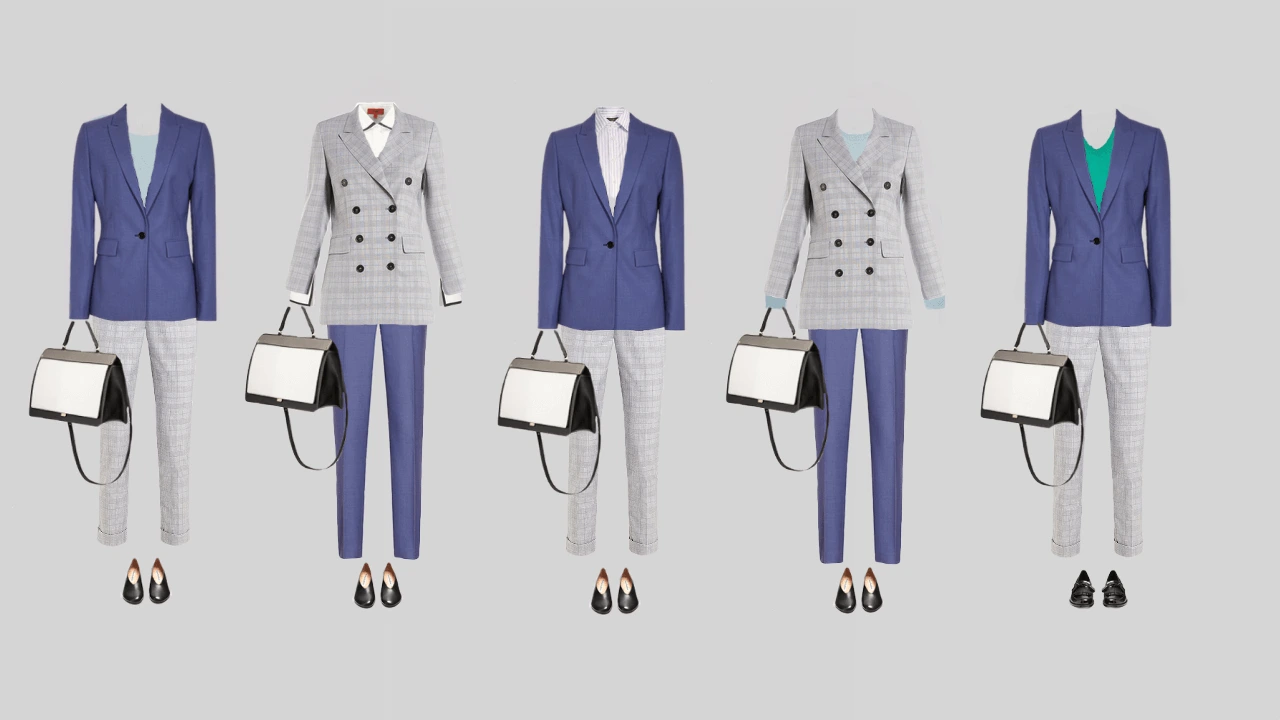
    A tailored suit is the most powerful statement in a woman’s professional wardrobe. It can be either a pantsuit or a skirt suit.

    • Pantsuit: A matching blazer and tailored trousers create a sharp, modern look. The trousers can be straight-leg, wide-leg, or slightly tapered, as long as they are well-fitted and professional.
    • Skirt Suit: This consists of a matching blazer and skirt. The skirt should be a conservative length, typically at or just above the knee. A classic pencil skirt or an A-line skirt are excellent choices.
    • Color and Fabric: As with men’s suits, dark, neutral colors like black, navy, and charcoal are ideal. High-quality fabrics such as wool, crepe, or a seasonless stretch blend will ensure your suit looks professional and holds its shape.

    The Sheath Dress

    A structured sheath dress is another excellent option for business formal settings.

    • Style: Choose a knee-length dress with a modest neckline (such as a boat neck or high scoop neck) and sleeves (cap sleeves or longer).
    • Color: Solid, neutral colors are best. A simple black, navy, or gray dress can be paired with a matching blazer for a complete suit-like look.
    • Fit: The dress should be tailored to skim your figure without being tight or revealing.

    Blouses and Tops

    The top worn under your blazer should be simple and elegant.

    • Material: Opt for high-quality fabrics like silk, cotton, or a refined synthetic blend. Avoid sheer or overly casual materials like jersey.
    • Color and Pattern: Solid, neutral colors such as white, ivory, or soft pastels are always a safe bet. If you choose a pattern, ensure it is subtle, like a delicate pinstripe.
    • Style: Choose a blouse with a modest neckline. Button-down shirts and simple shells work well. Avoid low-cut tops, camisoles with spaghetti straps, or anything that exposes too much skin.

    Footwear and Hosiery

    Your shoes complete the outfit and should be both professional and comfortable.

    • Shoes: Closed-toe pumps or heeled loafers in a neutral color like black, navy, or nude are the standard. The heel height should be manageable—typically no higher than three inches. Ensure your shoes are polished and in good condition.
    • Hosiery: In very conservative environments, neutral or flesh-toned pantyhose are often expected, especially when wearing a skirt or dress.

    Accessories and Grooming

    Accessories should be minimal and tasteful.

    • Jewelry: Opt for simple, classic pieces like stud earrings, a delicate necklace, or a single bracelet. Avoid large, noisy, or distracting jewelry.
    • Handbag: Carry a structured leather tote or handbag in a neutral color.
    • Grooming: A polished look includes neat hair styled away from the face, manicured nails with a neutral polish, and natural-looking makeup.

    Business Formal Attire Comparison

    CategoryBusiness FormalBusiness ProfessionalBusiness Casual
    Men’s SuitDark, matching suit (black, navy, charcoal)Suit or sports coat and trousersNo suit required
    Men’s ShirtWhite or light blue dress shirtDress shirt (colors/patterns okay)Collared shirt, polo, or sweater
    Men’s TieConservative silk tie requiredTie is recommendedTie is optional
    Men’s ShoesBlack or dark brown leather OxfordsLeather dress shoesLoafers, dress shoes, clean sneakers
    Women’s SuitMatching pantsuit or skirt suitCoordinated separates, dress and blazerSkirt or slacks with a blouse
    Women’s TopSilk or cotton blouseBlouse or knit sweaterMore casual tops, knits
    Women’s DressStructured sheath dress, often with a blazerTailored dressMore relaxed dress styles
    Women’s ShoesClosed-toe pumps (modest heel)Pumps, loafers, or flatsWider variety including open-toed shoes

    Important Points to Remember

    To perfect your business formal look, keep these key principles in mind:

    • Prioritize Fit: Ill-fitting clothes, whether too tight or too loose, look unprofessional. Invest in tailoring to ensure your garments fit perfectly.
    • Invest in Quality: High-quality fabrics not only look better but also last longer. Choose natural fibers like wool and cotton whenever possible.
    • Stick to Neutral Colors: Black, navy, charcoal gray, and white should be the foundation of your business formal wardrobe.
    • Keep it Conservative: Avoid overly trendy items, loud patterns, or revealing cuts. The goal is to look polished and professional, not to make a fashion statement.
    • Grooming is Key: Your clothing is only part of the equation. Ensure your hair, nails, and overall personal hygiene are impeccable.
    • Check for Details: Before you leave the house, make sure your clothes are clean, pressed, and free of wrinkles. Your shoes should be polished and scuff-free.

    Conclusion

    The business formal dress code is the ultimate standard in professional presentation. It is designed to project an image of confidence, competence, and respect in high-stakes corporate settings. While it may seem strict, its guidelines are easy to follow once you understand the core principles. For men, a dark, well-tailored suit is the cornerstone, paired with a crisp dress shirt and conservative tie. For women, a pantsuit, skirt suit, or a structured dress in a neutral color offers a powerful and polished look.

    By investing in high-quality, timeless pieces and paying close attention to fit and grooming, you can master the business formal dress code and ensure you always make a lasting, positive impression. Dressing for success isn’t just about the clothes you wear—it’s about the confidence and authority they help you project.

    Frequently Asked Questions (FAQ)

    What is the main difference between business formal and business professional?

    Business formal is the most conservative dress code, requiring a full matching suit for both men and women. Business professional is slightly more relaxed, allowing for more color and pattern in shirts and blouses, and for women to wear coordinated separates instead of a matching suit.

    Are black suits appropriate for business formal?

    Yes, a black suit is appropriate for business formal settings, especially for evening events or in very conservative industries. However, charcoal gray and navy are often considered more versatile for daytime wear.

    Can women wear pants in a business formal setting?

    Absolutely. A tailored pantsuit is a perfectly acceptable and powerful option for business formal women. The key is that the pants are part of a matching suit and are well-tailored.

    Is it necessary to wear a tie with a business formal outfit for men?

    Yes, a tie is a non-negotiable component of the business formal men‘s dress code. Choose a conservative silk tie to complete the look.

    What kind of shoes are acceptable for a business formal dress for ladies?

    The best shoe choice is a closed-toe pump with a modest heel (no higher than three inches) in a neutral color like black, navy, or nude. Polished flats or heeled loafers can also be appropriate, depending on the specific workplace.

  • Forearm Tattoos for Men: The Complete Guide

    Forearm Tattoos for Men: The Complete Guide

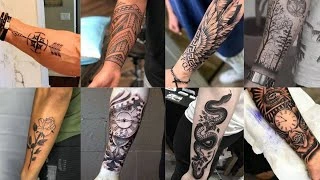
    Forearm tattoos for men have become a popular way to showcase personal style and meaningful art. This prime location on the body offers a visible canvas that can be either flaunted or covered up depending on the situation. Whether you are considering your first tattoo or adding to your collection, the forearm provides a unique opportunity for self-expression. This guide will walk you through everything you need to know, from finding the perfect design to caring for your new ink. Getting a forearm tattoo is a big decision, and we’re here to help you make the right choice.

    Key Takeaways

    • Visibility and Versatility: Forearm tattoos are highly visible, making them a bold statement piece, but they can also be easily covered with long sleeves when needed.
    • Design Variety: The forearm is suitable for a wide range of designs, from intricate sleeves to simple, minimalist symbols.
    • Pain Levels: Pain is subjective, but the forearm is generally considered one of the less painful areas to get tattooed, especially the outer forearm.
    • Proper Aftercare is Crucial: Following a strict aftercare routine is essential for ensuring your tattoo heals well, stays vibrant, and avoids infection.
    • Placement Matters: The inner and outer forearm offer different canvases and levels of sensitivity, influencing the final look and experience.

    Why Choose a Forearm Tattoo?

    The forearm is one of the most sought-after spots for tattoos, and for good reason. Its visibility makes it an excellent place to display art that is important to you. Every time you look down at your arm, you’ll see a piece of your story. This constant visibility serves as a personal reminder of the meaning behind your ink. Furthermore, forearm tattoos for men are incredibly versatile. You can opt for a small, subtle design or go all out with a full sleeve that wraps around your arm.

    The shape of the forearm also lends itself well to various artistic styles. Long, flowing designs, like dragons or script, can follow the natural curve of the arm. Geometric patterns and portraits also fit well within this space. Because it’s an area you see often, it encourages you to choose a design that you truly love and will continue to appreciate for years to come. It’s a commitment to a piece of art that becomes a part of your daily life.

    The Appeal of Forearm Tattoos for Men

    For many men, the forearm is a symbol of strength and capability. Placing a tattoo here can enhance that feeling, turning the arm into a statement of identity. Popular forearm tattoos for men often include powerful imagery like animal portraits, mythological figures, or bold tribal patterns. These designs can represent personal values such as courage, wisdom, or family heritage. The placement allows for easy admiration, both by you and by others, making it a great conversation starter. This location allows you to share a piece of your personality without saying a word.

    When it comes to forearm tattoo ideas, the possibilities are nearly endless. Your choice of design should reflect your personality, interests, and the story you want to tell. Some people prefer designs with deep symbolic meaning, while others might choose something purely for its aesthetic appeal. It’s helpful to research different styles and artists to find what resonates with you. Remember, this is a permanent piece of art on your body, so take your time to choose a design you will be happy with for the long haul.

    Here are some popular categories to get you started.

    Geometric and Mandala Designs

    Geometric tattoos use shapes, lines, and patterns to create complex and visually stunning designs. They can be symmetrical and balanced, or abstract and chaotic. Mandalas, with their intricate, circular patterns, are a popular choice for their spiritual symbolism, representing balance and harmony. These designs look fantastic on the forearm because the flat, long surface allows the intricate details to be displayed clearly.

    Nature and Animal Tattoos

    Nature-inspired tattoos are timeless. From majestic mountains and serene forests to powerful animals like lions, wolves, or eagles, these designs connect you to the natural world. Each animal or element can carry its own meaning. A wolf might symbolize loyalty and family, while an owl can represent wisdom. Floral designs, once seen as more common for forearm tattoos for women, are now a popular choice for men, often integrated into larger, more complex pieces.

    Portrait and Realism Tattoos

    For those looking to honor a loved one or a personal hero, a realism portrait can be a powerful choice. These highly detailed tattoos require a skilled artist but result in a lifelike image on your skin. This style isn’t limited to people; realistic depictions of animals, statues, or objects can also make for a striking forearm tattoo. The key is to find an artist who specializes in realism to ensure the final piece is a true work of art.

    Tribal and Cultural Patterns

    Tribal tattoos have a rich history, with roots in Polynesian, Native American, and other indigenous cultures. These designs often feature bold, black lines, and symbolic patterns that can represent a person’s heritage, status, or personal journey. If you’re considering a tribal tattoo, it’s important to research its cultural significance and choose a design respectfully. These patterns flow beautifully with the muscles of the forearm, creating a powerful and dynamic look.

    Understanding Placement: Inner vs. Outer Forearm

    The forearm offers two primary canvases: the inner forearm and the outer forearm. Where you decide to place your tattoo can affect everything from pain level to visibility. Both are great options, but they offer slightly different experiences.

    The Inner Forearm

    The inner forearm is a more discreet location. The skin here is softer and more sensitive, which can make the tattooing process a bit more painful. However, it’s also a great spot for personal or meaningful tattoos that you may not want on constant display. Script, small symbols, and delicate line work look particularly good here. Because it’s less exposed to the sun, tattoos on the inner forearm tend to stay vibrant longer.

    The Outer Forearm

    The outer forearm is the classic placement. It’s highly visible and perfect for making a bold statement. The skin is tougher and there’s more muscle and bone beneath it, which generally makes it a less painful area to get tattooed compared to the inner forearm. This area is ideal for larger, more detailed pieces. Many popular forearm tattoos for men are placed here to be shown off.

    Pain Level: What to Expect from a Forearm Tattoo

    Pain is a major consideration for anyone getting a tattoo. The good news is that the forearm is generally considered one of the less painful places to get inked. However, pain is subjective and can vary based on your individual pain tolerance and the specific location on your forearm.

    Tattoo LocationAverage Pain Level (1-10)Notes
    Outer Forearm3-5The fleshy, muscular area is less sensitive.
    Inner Forearm5-7The skin is thinner and has more nerve endings.
    Wrist7-9Proximity to bone and thin skin makes this area more painful.
    Elbow Ditch8-10A very sensitive area with thin, stretchy skin.

    Most of the discomfort comes from the needle repeatedly piercing the skin. Areas with more fat and muscle tend to hurt less, while areas directly over bone or with thin skin are more sensitive. The inner forearm and the areas near the wrist and elbow will likely be the most tender spots.

    The Tattooing Process: From Consultation to Completion

    Getting a forearm tattoo is a multi-step process. It starts long before you sit in the artist’s chair.

    • Research and Consultation: Find an artist whose style matches your vision. Look through portfolios online and schedule a consultation. During the consultation, you’ll discuss your forearm tattoo ideas, placement, and size. The artist will give you a price estimate and schedule your appointment.
    • The Big Day: On the day of your tattoo, make sure you are well-rested, hydrated, and have eaten a good meal. The artist will first prepare the stencil and place it on your arm to ensure you’re happy with the positioning.
    • The Tattooing: Once you approve the placement, the artist will begin. For a medium-sized forearm piece, you can expect to sit for a few hours. Don’t be afraid to ask for breaks if you need them.
    • The Reveal: After the work is done, the artist will clean the area and wrap your new tattoo. This is the first step in the crucial aftercare process.

    Aftercare: Keeping Your Forearm Tattoo Looking Its Best

    Proper aftercare is essential for ensuring your tattoo heals correctly and looks great for years to come. Neglecting aftercare can lead to infection, fading, and a poor final result.

    Immediate Aftercare (First 24-48 Hours)

    Your artist will wrap your fresh tattoo. Keep this bandage on for the amount of time they recommend, usually a few hours. After removing the bandage, gently wash the tattoo with lukewarm water and a mild, unscented soap. Pat it dry with a clean paper towel—do not rub it.

    Healing Phase (First 2-4 Weeks)

    • Moisturize: Apply a thin layer of a recommended tattoo aftercare lotion or unscented moisturizer 2-3 times a day. Do not over-moisturize, as this can clog pores.
    • Avoid Soaking: Do not submerge your tattoo in water. This means no baths, swimming pools, or hot tubs until it’s fully healed. Showers are fine.
    • Sun Protection: Keep your tattoo out of direct sunlight. UV rays can fade the ink and damage the healing skin.
    • No Picking or Scratching: As your tattoo heals, it will start to scab and itch. It is critical that you do not pick at the scabs or scratch the area. Doing so can pull out ink and lead to scarring.

    Forearm Tattoos for Men vs. Forearm Tattoos for Women

    While art is for everyone, some design trends are more commonly associated with one gender over another. Forearm tattoos for men often lean towards bolder, larger pieces with themes of strength, power, and heritage. Common choices include wolves, lions, skulls, and geometric sleeves.

    In contrast, forearm tattoos for women frequently feature more delicate or ornamental designs. Popular ideas include floral patterns, fine-line script, mandalas, and nature scenes. However, these are just general trends. Many men choose delicate designs, and many women opt for bold, powerful imagery. The best tattoo is one that is meaningful to the person wearing it, regardless of convention.


    Important Points to Remember

    • Choose a Reputable Artist: Your artist’s skill is the most important factor in how your tattoo will turn out. Do your research.
    • Think Long-Term: Trends come and go, but a tattoo is permanent. Choose a design that you believe will remain meaningful to you.
    • Consider Your Career: While acceptance of tattoos is growing, some professions are still conservative. The ability to cover your tattoo with a sleeve is a key advantage of the forearm placement.
    • Budget Accordingly: Good tattoos are not cheap, and cheap tattoos are not good. You are investing in a permanent piece of art for your body.

    Conclusion

    Forearm tattoos for men are more than just a trend; they are a powerful form of self-expression. They offer a unique combination of visibility and concealability, making them a practical choice for modern life. From intricate forearm tattoo ideas to minimalist symbols, the possibilities are limitless. By choosing a design that resonates with you, finding a skilled artist, and following proper aftercare, you can get a stunning piece of art that you’ll be proud to wear for a lifetime. Your forearm can become a canvas for your story, a symbol of your journey, and a daily reminder of what’s important to you.

    Frequently Asked Questions (FAQ)

    How much do forearm tattoos for men cost?

    The cost of a forearm tattoo varies widely based on the artist’s hourly rate, the size and complexity of the design, and your geographic location. A small, simple design might cost $100-$300, while a large, detailed piece or the start of a sleeve could cost $1,000 or more.

    Can I work out after getting a forearm tattoo?

    It’s best to avoid strenuous exercise for at least a week after getting your tattoo. Sweat can irritate the healing skin, and friction from clothing or gym equipment can damage the tattoo. Stick to light activities until the initial healing phase is over.

    How long does a forearm tattoo take to heal?

    The surface of the tattoo will typically heal in 2-4 weeks. However, the deeper layers of skin can take up to 6 months to fully regenerate. During this time, it’s important to continue protecting your tattoo from the sun.

    Do forearm tattoos stretch?

    The skin on the forearm is relatively stable, so minor fluctuations in weight or muscle mass are unlikely to distort your tattoo significantly. Significant muscle gain could slightly alter the appearance, but it’s generally not a major concern for this placement.

    What is the best style for a first forearm tattoo?

    For a first tattoo, many people choose something of a small to medium size. This allows you to experience the process and pain level without a huge commitment. A simple symbol, a short quote, or a small geometric design are all great starting points for your first forearm tattoo.

  • Sprint Fort Bend County Landfill: Comprehensive Guide to Services and Operations

    Sprint Fort Bend County Landfill: Comprehensive Guide to Services and Operations

    Welcome to your complete guide on the Sprint Fort Bend County Landfill. Whether you’re a contractor with construction debris, a business managing waste, or a resident curious about local services, this article has the information you need. We’ll cover everything from the types of waste accepted to the operating hours and safety rules. The Sprint Fort Bend County Landfill is a key facility for waste management in the region, and understanding how it works can make your disposal process smooth and efficient.

    This guide will walk you through the essential details, helping you prepare for your visit and understand the role this facility plays in our community. Let’s explore what makes this landfill an important resource for Fort Bend County.

    Understanding the Sprint Fort Bend County Landfill

    The Sprint Fort Bend County Landfill is a specialized waste management facility located in the greater Houston area. It is classified as a Type IV landfill, which means it is designed and permitted to accept specific types of non-hazardous waste. Primarily, this includes construction and demolition (C&D) materials, yard waste, and other inert materials that do not decompose in the same way as household garbage. This specialization is crucial for responsible waste management, as it ensures that different types of waste are handled in the most environmentally appropriate manner.

    Operated by Sprint Waste Services, the landfill is part of a larger network of environmental services. The facility serves a wide range of customers, including commercial construction companies, demolition contractors, and residential customers undertaking large home renovation projects. The primary goal of the Sprint landfill Fort Bend County is to provide a safe, compliant, and efficient location for the disposal of C&D debris, supporting the region’s growth and development while adhering to strict environmental standards set by the Texas Commission on Environmental Quality (TCEQ).

    What is a Type IV Landfill?

    A Type IV landfill, like the Sprint Fort Bend County Landfill, is designated for a specific stream of waste. Unlike a Type I landfill that accepts municipal solid waste (household trash), a Type IV facility only takes in inert and non-putrescible materials. This includes things like wood, concrete, brick, metal, and drywall.

    The key benefits of this classification include:

    • Environmental Protection: By separating C&D waste from general household garbage, Type IV landfills reduce the risk of soil and groundwater contamination from decomposing organic materials.
    • Resource Management: These facilities are designed to handle bulky materials common in construction, making the disposal process more efficient.
    • Landfill Longevity: Segregating waste types helps to better manage landfill space, extending the operational life of the facility.

    Location and Accessibility of Sprint Landfill Fort Bend County

    Finding the landfill is straightforward. The facility is strategically located to serve the rapidly growing areas of Fort Bend County and beyond.

    Address:
    16007 West Bellfort Street
    Sugar Land, TX 77498

    This location offers convenient access from major roadways, making it accessible for large commercial trucks and individual vehicles towing trailers. It is situated in a part of Sugar Land that balances industrial needs with community planning. When planning your visit, it’s a good idea to use a GPS or mapping service to get the most accurate, real-time directions to the Sprint Fort Bend County Landfill LP, as local traffic patterns can vary. The entrance is clearly marked to guide visitors to the scale house, which is the first stop for all incoming vehicles.

    Getting to the Facility

    The landfill is easily reachable from various parts of the Houston metropolitan area. Its proximity to major thoroughfares ensures that haulers can get in and out efficiently, which is a critical factor for commercial operations. The roads leading to the facility are built to accommodate heavy truck traffic. Upon arrival, clear signage directs you through the entire process, from weighing your vehicle to reaching the designated disposal area. This organized flow helps maintain safety and minimize wait times for all customers.

    Operating Hours and Schedule

    To ensure a smooth visit, it’s important to know the operating hours of the Sprint Fort Bend County Landfill. The facility maintains a consistent schedule to accommodate both commercial and residential customers, but it’s always wise to check for any potential changes due to holidays or weather conditions.

    Standard Operating Hours:

    • Monday – Friday: 7:00 AM to 5:00 PM
    • Saturday: 7:00 AM to 1:00 PM
    • Sunday: Closed

    These hours are designed to support the typical workday for construction and demolition crews, allowing for early morning drop-offs and end-of-day runs. The shorter hours on Saturday provide a convenient option for smaller contractors or residents working on weekend projects. Remember that the facility closes promptly, so you should plan to arrive with enough time to weigh in, unload your materials, and weigh out before the designated closing time.

    Like any major industrial facility, the Sprint Fort Bend County Landfill may alter its schedule for major holidays such as Christmas Day, New Year’s Day, and Thanksgiving. Additionally, severe weather conditions, particularly heavy rain or flooding, can impact operations for safety reasons. It is highly recommended to call ahead or check the official Sprint Waste Services website before your trip, especially during holiday weeks or periods of inclement weather, to confirm that the landfill is open.

    Services Offered by Sprint Fort Bend County Landfill

    The primary function of the facility is waste disposal, but the services offered by Sprint Fort Bend County Landfill are tailored to specific needs. Understanding what you can and cannot bring is essential for a successful trip. The landfill is equipped to handle large volumes of construction and demolition waste efficiently.

    Here’s a breakdown of the core services and accepted materials:

    • Construction Debris Disposal: This includes common materials from building sites like wood, drywall, bricks, and shingles.
    • Demolition Waste Management: The landfill accepts debris from dismantled structures, such as concrete, steel, and asphalt.
    • Yard Waste Disposal: Large amounts of brush, trees, and other green waste are accepted.
    • Inert Fill Materials: Clean soil, sand, and rock can also be disposed of at the site.

    The facility’s processes are designed for efficiency. Upon arrival, your vehicle is weighed to determine the initial tonnage. You are then directed to the active disposal area, where you can unload your materials. After unloading, you return to the scale house to be weighed again, and the fee is calculated based on the difference.

    What Waste is Accepted?

    To ensure compliance with state regulations, the Sprint Fort Bend County Landfill has a clear list of acceptable materials. Proper sorting before you arrive can save you time and potential issues at the gate.

    Acceptable Materials Include:

    • Concrete, Asphalt, and Masonry
    • Wood and Lumber (untreated)
    • Roofing Materials (shingles, tiles)
    • Drywall and Plaster
    • Scrap Metal
    • Rocks, Soil, and Sand
    • Brush and Yard Trimmings
    • Cardboard and Paper

    Prohibited Waste Materials

    Equally important is knowing what the landfill cannot accept. Disposing of prohibited items can result in fines and legal liability. As a Type IV landfill, it is not permitted to accept household garbage or hazardous waste.

    Do NOT bring the following:

    • Household Trash (food scraps, plastics, etc.)
    • Hazardous Waste (chemicals, asbestos, batteries)
    • Liquid Waste (paints, oils, solvents)
    • Tires
    • Medical Waste
    • Appliances with refrigerants (like refrigerators and AC units)
    • Electronics (computers, TVs)

    If you have prohibited items, you will need to find an appropriate disposal facility, such as a municipal solid waste landfill or a specialized hazardous waste collection center.

    Essential Safety Guidelines for Visitors

    Safety is the top priority at the Sprint Fort Bend County Landfill. The environment involves heavy machinery and large trucks, so strict rules are in place to protect both customers and staff. Adhering to these guidelines is mandatory for entry and use of the facility.

    First and foremost, all visitors must wear appropriate personal protective equipment (PPE). The most critical piece of equipment is a high-visibility safety vest. This ensures you are easily seen by equipment operators. If you do not have a vest, they are typically available for purchase at the scale house for a small fee. Additionally, sturdy, closed-toe footwear is required—sandals or open-toed shoes are not permitted on site. These simple measures significantly reduce the risk of accidents in a busy, industrial setting.

    Key Safety Rules to Follow

    To ensure a safe and efficient visit, please be prepared to follow all posted signs and instructions from the landfill staff. They are there to guide you and maintain a secure environment for everyone.

    • Wear a Safety Vest: A reflective safety vest is mandatory for all individuals exiting their vehicles.
    • Children Are Not Permitted: For their safety, children under the age of 14 are not allowed on the premises.
    • Obey Speed Limits: The site has a posted speed limit. Driving slowly and cautiously is crucial.
    • Stay in Your Vehicle (Unless Unloading): Do not wander around the site. Remain in your vehicle until you are in the designated unloading area.
    • Keep a Safe Distance from Heavy Equipment: Be aware of your surroundings and stay clear of bulldozers, loaders, and large trucks.
    • No Smoking: Smoking is prohibited on landfill property due to the risk of fire.

    The Role of Sprint Fort Bend County Landfill LP in the Community

    The Sprint Fort Bend County Landfill LP plays a significant, though often unseen, role in supporting the local economy and environment. As Fort Bend County continues to experience rapid residential and commercial growth, the need for a reliable place to dispose of construction and demolition debris is paramount. Without this facility, contractors would have to haul waste longer distances, increasing costs, fuel consumption, and traffic congestion.

    By providing a local, compliant disposal option, the landfill helps keep construction projects on schedule and within budget. This, in turn, supports development and job creation in the area. Furthermore, the facility operates under strict guidelines from the Texas Commission on Environmental Quality (TCEQ), ensuring that waste is managed in a way that protects local ecosystems, particularly groundwater and air quality. The landfill is an essential piece of infrastructure that enables sustainable growth for our communities.

    Environmental Stewardship and Compliance

    Operating a landfill comes with great environmental responsibility. The Sprint Fort Bend County Landfill is engineered with protective measures to prevent environmental impact. This includes liners to protect the soil and groundwater, as well as systems for managing stormwater runoff. The facility undergoes regular inspections to ensure it meets or exceeds all local, state, and federal regulations. By focusing only on Type IV waste, the landfill avoids the environmental challenges associated with decomposing organic matter, such as methane gas production and leachate management, making it a more stable and predictable operation.

    Frequently Asked Questions (FAQs)

    Here are answers to some common questions about using the Sprint Fort Bend County Landfill.

    What are the payment options at the landfill?

    The landfill typically accepts various forms of payment, including cash and major credit cards. Commercial customers may also be able to set up an account. It’s best to confirm payment options when you arrive at the scale house.

    Do I need to cover my load when driving to the landfill?

    Yes. Texas law requires that all loads of loose material, such as construction debris, be securely covered to prevent items from falling or blowing onto the roadway. Failure to do so can result in fines.

    Can residents use the Sprint Fort Bend County Landfill?

    Yes, residents can use the landfill for acceptable materials. It’s an ideal option for large-scale projects like a home renovation, deck removal, or major yard cleanup that generate more waste than your regular trash service will accept.

    How is the cost of disposal calculated?

    The cost is based on the weight of your disposed materials. Your vehicle is weighed upon entry and again upon exit. You are charged for the difference in weight. There may be a minimum charge for very small loads.

    What happens if I bring prohibited items?

    If prohibited items are found in your load, you may be asked to remove them and dispose of them elsewhere. In some cases, your entire load may be rejected. It’s crucial to sort your waste before arriving to avoid any issues.

    Conclusion

    The Sprint Fort Bend County Landfill is an indispensable asset for the region, providing essential waste management services that support construction, development, and environmental responsibility. By understanding its operations, accepted materials, and safety protocols, you can ensure your disposal needs are met efficiently and correctly. Whether you are a commercial contractor or a resident tackling a home project, this facility offers a compliant and convenient solution for your C&D waste. Always remember to check operating hours and follow all safety guidelines to make your visit a smooth one.