Category: Uncategorized

  • Echostreamhub: The All-in-One Platform

    Echostreamhub: The All-in-One Platform

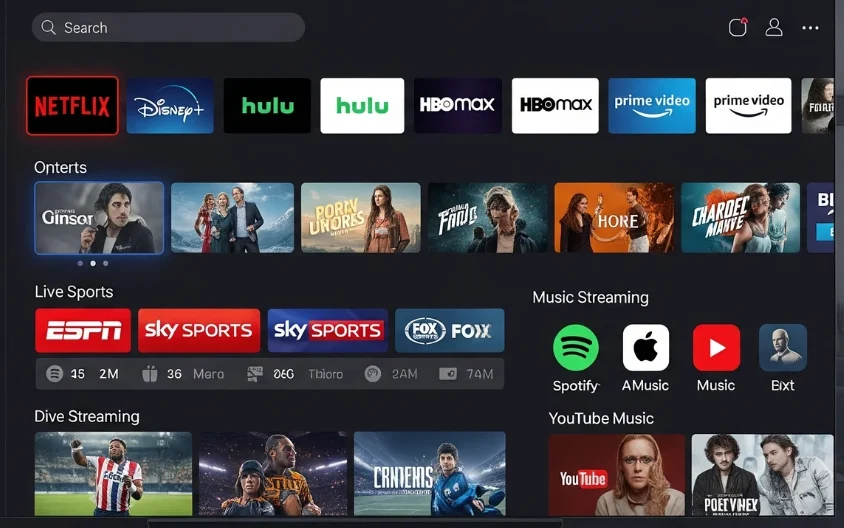
    Echostreamhub, a revolutionary platform that combines live streaming, video hosting, and audience interaction into one seamless solution. This hybrid platform transforms how creators and businesses approach digital content by eliminating the need for separate streaming software, hosting services, and engagement tools.

    Whether you’re hosting corporate webinars, launching new products, or building an educational community, It provides everything you need to create, manage, and distribute compelling content that drives real engagement.

    What Makes Echostreamhub Different

    Unlike traditional platforms that focus solely on broadcasting or storage, it bridges the gap between content creation and audience connection. The platform recognizes that modern content success requires more than just pushing out videos—it demands meaningful interaction, professional presentation, and streamlined management.

    This comprehensive approach means creators spend less time switching between tools and more time focusing on what matters: creating quality content and building genuine relationships with their audience.

    Core Features That Power Your Content Strategy

    Live Streaming Excellence

    It’s live streaming capabilities handle everything from intimate team meetings to large-scale public events. The platform supports high-definition streaming without sacrificing stability, even during peak traffic periods.

    Key streaming features include:

    • Custom overlays and graphics for professional branding
    • Multi-camera support for dynamic presentations
    • Screen sharing capabilities for tutorials and demonstrations
    • Scheduled streaming to build anticipation and manage time zones
    • Recording integration that automatically saves streams for later viewing

    Robust Video Hosting and Management

    Beyond live content, it serves as a comprehensive video library. The platform supports multiple formats while ensuring consistent playback quality across devices. Creators can organize content through intuitive categorization systems, making it easy for audiences to find relevant materials.

    The content management system includes:

    • Drag-and-drop uploads for quick content addition
    • Automated transcoding that optimizes videos for different devices
    • Custom thumbnails and descriptions for better discoverability
    • Access controls to manage who can view specific content
    • Bulk editing tools for efficient content updates

    Advanced Audience Engagement Tools

    What sets it apart is its focus on two-way communication. The platform offers numerous ways to interact with audiences in real-time, creating more engaging and memorable experiences.

    Engagement features include:

    • Live chat moderation with spam filtering and keyword alerts
    • Interactive polls and surveys that provide instant feedback
    • Q&A sessions with upvoting and moderation controls
    • Reaction tools that let audiences express emotions without disrupting the stream
    • Breakout rooms for smaller group discussions during larger events

    Comprehensive Analytics and Insights

    Understanding audience behavior is crucial for content success. It provides detailed analytics that go beyond basic view counts, offering insights into engagement patterns, audience retention, and content performance.

    Analytics capabilities cover:

    • Real-time viewer metrics during live streams
    • Engagement heat maps showing when audiences are most active
    • Demographic breakdowns of your audience composition
    • Content performance comparisons to identify top-performing materials
    • Export options for integrating data with other business tools

    Benefits for Content Creators and Businesses

    Streamlined Workflow Management

    Content creators often struggle with the complexity of managing multiple platforms and tools. It eliminates this friction by centralizing everything in one location. Creators can plan, produce, broadcast, and analyze content without switching between different applications.

    This consolidation saves significant time and reduces the learning curve for team members. New creators can master one platform instead of becoming proficient in multiple specialized tools.

    Enhanced Professional Presentation

    First impressions matter in digital content. It’s customization options allow creators to maintain consistent branding across all content. Custom players, branded landing pages, and white-label options ensure that the platform serves as a seamless extension of your brand identity.

    Professional features include:

    • Custom domains for branded experiences
    • Personalized player skins that match brand colors and fonts
    • Logo integration throughout the viewing experience
    • Custom email templates for automated communications

    Flexible Monetization Opportunities

    It recognizes that many creators need to generate revenue from their content. The platform offers multiple monetization models, allowing creators to choose approaches that align with their audience and content type.

    Monetization options include:

    • Pay-per-view events for exclusive content
    • Subscription tiers with different access levels
    • Virtual tip jars for audience appreciation
    • Sponsorship integration tools for brand partnerships
    • Course creation features for educational content

    Scalability and Reliability

    As audiences grow, platforms need to handle increased demand without performance degradation. It’s cloud infrastructure automatically scales to accommodate audience size, ensuring consistent quality whether you’re streaming to 50 or 50,000 viewers.

    The platform’s reliability features include:

    • 99.9% uptime guarantee for mission-critical content
    • Global content delivery network for worldwide audience reach
    • Automatic failover systems that prevent streaming interruptions
    • Load balancing that optimizes performance across different regions

    Practical Use Cases for Maximum Impact

    Corporate Communications and Training

    Businesses use it to transform internal communications from static presentations into interactive experiences. HR departments conduct onboarding sessions where new employees can ask questions in real-time. Training programs become more effective when participants can engage directly with instructors.

    Example applications:

    • All-hands meetings with company-wide Q&A sessions
    • Product training with interactive demonstrations
    • Customer onboarding with personalized welcome experiences
    • Compliance training with mandatory viewing tracking

    Educational Content and Online Courses

    Educators leverage it’s features to create immersive learning environments. The platform’s ability to combine live instruction with on-demand resources makes it ideal for both traditional and non-traditional educational settings.

    Educational use cases include:

    • Live lectures with student interaction capabilities
    • Office hours for one-on-one student support
    • Workshop series with progressive skill building
    • Community discussions around course materials

    Marketing and Product Launches

    Marketing teams use it to create buzz around new products and services. The platform’s engagement tools turn product launches from one-way presentations into interactive events that build excitement and gather immediate feedback.

    Marketing applications:

    • Product reveals with real-time audience reactions
    • Behind-the-scenes content that builds brand connection
    • Customer testimonial showcases with live discussions
    • Industry expert interviews for thought leadership

    Community Building and Networking

    Content creators focused on building communities find it’s interaction features particularly valuable. The platform facilitates genuine connections between audience members, not just between creators and audiences.

    Community building features:

    • Regular live Q&A sessions for ongoing relationship development
    • Member spotlight interviews that celebrate community participants
    • Collaborative content creation where audiences contribute ideas
    • Virtual meetups for geographically distributed communities

    Tips for Maximizing Your Experience

    Plan Your Content Strategy

    Success on it starts with clear content planning. Define your audience’s needs and create content calendars that balance live and pre-recorded materials. Consider time zones when scheduling live events to maximize participation.

    Invest in Quality Audio and Video

    While it handles the technical streaming aspects, input quality significantly impacts viewer experience. Invest in decent microphones and cameras, ensure good lighting, and test your setup before important streams.

    Engage Authentically with Your Audience

    The platform’s interaction tools are only effective when used genuinely. Respond to chat messages, acknowledge participants by name, and create opportunities for audience members to contribute meaningfully to your content.

    Leverage Analytics for Continuous Improvement

    Regularly review your analytics to understand what content resonates most with your audience. Look for patterns in engagement levels and adjust your approach based on data rather than assumptions.

    Experiment with Different Content Formats

    It supports various content types. Mix live streams with pre-recorded videos, combine presentations with discussions, and try different engagement techniques to keep your content fresh and interesting.

    Frequently Asked Questions

    How much does Echostreamhub cost?

    It offers tiered pricing plans to accommodate different needs and budgets. Free plans typically include basic streaming and hosting features with limitations on storage and concurrent viewers. Paid plans provide additional features like advanced analytics, custom branding, and higher viewer limits. Contact their sales team for current pricing information.

    What devices and browsers does Echostreamhub support?

    The platform works across desktop computers, tablets, and smartphones using modern web browsers. Both content creators and viewers can access it through Chrome, Firefox, Safari, and Edge browsers without additional software downloads.

    How secure is content on Echostreamhub?

    It implements enterprise-level security measures including data encryption, secure user authentication, and privacy controls. Content creators can set access permissions, password-protect streams, and control who can download or share their content.

    Can I integrate Echostreamhub with other tools?

    Yes, Echostreamhub offers integration capabilities with popular business tools, email marketing platforms, and social media networks. API access allows for custom integrations with existing workflows and systems.

    What kind of support does Echostreamhub provide?

    The platform typically offers multiple support channels including documentation, video tutorials, email support, and live chat assistance. Premium plans often include priority support and dedicated account management for larger organizations.

    Is there a limit on streaming duration or file sizes?

    Limits vary by plan level. Free accounts usually have restrictions on stream length and file upload sizes, while paid plans offer more generous limits or unlimited usage depending on the tier selected.

    Transform Your Content Strategy Today

    Echostreamhub represents a fundamental shift in how creators and businesses approach digital content. By combining streaming, hosting, and engagement in one platform, it eliminates the complexity that often prevents great ideas from reaching their full potential.

    The platform’s strength lies not just in its technical capabilities, but in its understanding that modern content success requires genuine audience connection. Whether you’re a solo creator building a following or a large organization looking to improve internal communications, Echostreamhub provides the tools and flexibility needed to achieve your goals.

    Ready to simplify your content creation process while enhancing audience engagement? Explore Echostreamhub’s features and discover how this comprehensive platform can transform your approach to digital content creation and distribution.


  • Kirby Dedo: The Dream Land’s Beloved King

    Kirby Dedo: The Dream Land’s Beloved King

    King Dedede stands as one of gaming’s most recognizable antagonists-turned-allies, evolving from Kirby’s primary nemesis to a beloved character in his own right. This comprehensive guide explores everything you need to know about Kirby Dedo, examining his role throughout the series and why he remains a fan favorite.

    Who is Kirby King Dede?

    King Dedede (often referred to as Kirby Dedo by fans) serves as the self-proclaimed ruler of Dream Land in the Kirby video game series. Created by HAL Laboratory and Nintendo, this penguin-like character first appeared in 1992’s “Kirby’s Dream Land” as the main antagonist who stole all the food from Dream Land’s inhabitants.

    Character Design and Appearance

    Dede Kirby’s design features several distinctive elements:

    • Large blue body with a cream-colored belly
    • Orange beak and webbed feet
    • Red royal robe with white fur trim
    • Golden crown with a red jewel
    • Wooden hammer as his signature weapon

    The Evolution of Dede Kirby Throughout the Series

    Game TitleYearRoleRelationship with Kirby
    Kirby’s Dream Land1992Main AntagonistEnemy
    Kirby’s Adventure1993Misunderstood ProtectorReluctant Ally
    Kirby Super Star1996Recurring RivalFrenemy
    Kirby 642000Playable AllyFriend
    Kirby’s Return to Dream Land2011Co-op PartnerTrusted Companion

    From Villain to Hero: The Kirby Dede Character Arc

    The transformation of dede kirby nems (as some international fans call him) represents one of gaming’s most successful character development stories. Initially portrayed as a greedy, food-hoarding monarch, King Dedede’s motivations became more complex as the series progressed.

    Key Character Developments:

    • Protective Instincts: Often acts to protect Dream Land from greater threats
    • Hidden Nobility: Shows genuine care for his subjects despite his rough exterior
    • Comedy Relief: Provides humor through his pompous personality and occasional mishaps
    • Reluctant Hero: Steps up when Dream Land faces serious danger

    Gameplay Mechanics: Playing as Deden Kirby

    When deden kirby appears as a playable character, he offers unique gameplay mechanics that set him apart from the pink puffball:

    Combat Abilities

    Primary Attack Methods:

    • Hammer Swing: Powerful melee attacks with his wooden mallet
    • Inhale: Similar to Kirby but cannot copy abilities
    • Super Jump: Enhanced jumping capabilities
    • Gordo Toss: Throws spiked enemies as projectiles

    Strengths and Weaknesses

    StrengthsWeaknesses
    High attack powerSlower movement speed
    Great reach with hammerLimited aerial mobility
    Strong defensive capabilitiesCannot float like Kirby
    Unique special movesVulnerable to quick enemies

    The Cultural Impact of Kirby Dede

    The Kirby Dedo character’s popularity extends far beyond the gaming community, inspiring:

    Fan Community Contributions

    • Fan Art: Thousands of artistic interpretations across social platforms
    • Memes: Internet culture embraces his pompous personality
    • Cosplay: Popular choice at gaming conventions
    • Music Remixes: His theme music receives numerous fan arrangements

    Merchandise and Media Appearances

    dede kirby appears in various forms of media:

    • Plush toys and figurines
    • Anime series “Kirby: Right Back at Ya!”
    • Super Smash Bros. fighting game series
    • Mobile game appearances

    Analyzing King Dedede’s Relationships

    With Kirby Dedo

    The dynamic between kirby dede showcases a complex relationship that evolved from antagonistic to protective. Their interactions demonstrate:

    • Mutual respect despite frequent disagreements
    • Collaborative efforts against common enemies
    • Competitive friendship in multiplayer scenarios

    With Other Characters

    • Meta Knight: Fellow protector of Dream Land with shared responsibilities
    • Waddle Dees: His loyal subjects who serve the castle
    • Escargoon: His snail assistant in the anime series

    The Psychology Behind King Dedede’s Popularity

    Several factors contribute to the enduring appeal of kirby king dede:

    Relatability Factors

    • Flawed Authority Figure: His imperfections make him more human
    • Good Intentions: Despite mistakes, he genuinely cares about Dream Land
    • Character Growth: Players witness his development over time
    • Comic Relief: His pompous nature provides entertainment

    Design Excellence

    The character design of Kirby Dedo succeeds because it:

    • Balances intimidating and approachable elements
    • Uses recognizable royal imagery
    • Maintains consistency across different art styles
    • Appeals to both children and adults

    Strategic Analysis: King Dedede in Competitive Play

    In games featuring dede kirby as a playable character, competitive players have developed specific strategies:

    Optimal Play Styles

    • Heavy Hitter: Maximize damage with hammer attacks
    • Zone Control: Use reach advantage to control space
    • Defensive Play: Leverage high health and defensive options

    Common Strategies

    1. Spacing Game: Maintain optimal distance for hammer attacks
    2. Punish Game: Capitalize on opponent mistakes with powerful moves
    3. Stage Control: Use size and reach to dominate battlefield areas

    Technical Specifications and Game Data

    Character Statistics Across Games

    AttributeRating (1-10)Notes
    Speed4Slower than most characters
    Power9Extremely high damage output
    Defense8High health and resistance
    Range7Excellent with hammer attacks
    Recovery5Limited aerial options

    Future of the Kirby Dedo Character

    Recent developments suggest continued importance for deden kirby in future titles:

    Upcoming Appearances

    • Confirmed roles in upcoming Kirby titles
    • Potential spin-off game possibilities
    • Continued presence in competitive gaming scenes

    Fan Expectations

    The community hopes for:

    • More playable appearances
    • Expanded character backstory
    • New abilities and movesets
    • Enhanced multiplayer integration

    FAQ Section for Kirby Dedo

    General Questions

    Q: What does “Kirby Dedo” mean?
    A: “Kirby Dedo” is a fan-created term referring to King Dedede from the Kirby series. Some international communities use this terminology when discussing the character.

    Q: Is King Dedede a villain or hero?
    A: King Dedede has evolved from a villain in early games to more of an anti-hero or reluctant ally. While he occasionally opposes Kirby, he often helps protect Dream Land from greater threats.

    Q: What species is King Dedede?
    A: King Dedede is a penguin-like creature, though his exact species classification within the Kirby universe remains ambiguous.

    Gameplay Questions

    Q: Can you play as dede kirby in all games?
    A: No, King Dedede is not playable in every Kirby game. His playable appearances include titles like Kirby 64, Kirby’s Return to Dream Land, and various multiplayer modes.

    Q: What are King Dedede’s signature moves?
    A: His primary abilities include hammer attacks, inhaling (without copying abilities), super jumps, and throwing Gordos (spiked enemies).

    Q: How does deden kirby compare to regular Kirby in gameplay?
    A: King Dedede typically offers higher attack power and defense but sacrifices Kirby’s floating ability and copy powers for unique hammer-based combat.

    Character Development Questions

    Q: Why did King Dedede’s character change over time?
    A: The developers wanted to create more nuanced storytelling and avoid repetitive villain roles. This evolution made him more interesting and provided new gameplay opportunities.

    Q: What is King Dedede’s relationship with Meta Knight?
    A: Both serve as protectors of Dream Land and share mutual respect, though they may have different approaches to handling threats.

    Q: Does kirby king dede have any weaknesses?
    A: His main weaknesses include slower movement speed, limited aerial mobility compared to Kirby, and vulnerability to quick, agile opponents.

    Cultural Impact Questions

    Q: Why is King Dedede so popular among fans?
    A: His popularity stems from excellent character design, meaningful character development, entertaining personality, and his evolution from villain to hero.

    Q: Are there any King Dedede spin-off games?
    A: While no dedicated King Dedede games exist, he features prominently in several Kirby titles and appears in other Nintendo franchises like Super Smash Bros.

    Conclusion: The Enduring Legacy of Kirby Dedo

    King Dedede’s journey from simple antagonist to beloved character exemplifies excellent game design and character development. Whether you know him as kirby dedo, dede kirby, or kirby king dede, this penguin monarch continues to capture hearts with his unique blend of pompousness and nobility.

    His evolution reflects the Kirby series’ growth from simple platformer to rich, character-driven adventures. As gaming continues to evolve, King Dedede stands as a testament to the power of thoughtful character development and the importance of giving even villains depth and humanity.

    For fans old and new, King Dedede represents the perfect balance of comedy, action, and heart that makes the Kirby series special. His hammer may be wooden, but his impact on gaming culture is pure gold.

  • Fab Diamond: Your Complete Guide

    Fab Diamond: Your Complete Guide

    The world of diamonds has evolved beyond traditional jewelry stores, with specialized fabrication services revolutionizing how we create, customize, and enjoy diamond products. Understanding fab diamond services can help you make informed decisions whether you’re seeking custom jewelry, industrial applications, or unique diamond creations.

    What Is Fab Diamond?

    It refers to specialized diamond fabrication services that create custom diamond products, tools, and jewelry pieces. These services combine traditional craftsmanship with modern technology to deliver precision-cut diamonds, custom settings, and innovative diamond applications across various fields.

    The diamond fabrication industry has grown significantly, with the global diamond tools market valued at over $8.2 billion in 2023. This growth reflects increasing demand for both decorative and functional diamond products.

    Understanding Diamond Fab Services

    Diamond fab encompasses several specialized areas:

    Custom Jewelry Creation

    • Engagement ring design and fabrication
    • Wedding band customization
    • Anniversary jewelry pieces
    • Vintage restoration services

    Industrial Diamond Applications

    • Cutting tool manufacturing
    • Precision grinding wheels
    • Drilling equipment
    • Medical device components

    Artistic Diamond Work

    • Sculptural pieces
    • Decorative objects
    • Collectible items
    • Custom awards and trophies

    The Double Diamond Fab Advantage

    Double diamond fab represents the highest tier of diamond fabrication services, offering dual expertise in both natural and synthetic diamonds. This approach provides several benefits:

    Enhanced Quality Control

    • Rigorous inspection processes
    • Multiple verification stages
    • Superior finish quality
    • Extended durability testing

    Expanded Design Possibilities

    • Hybrid natural-synthetic combinations
    • Complex multi-stone settings
    • Innovative mounting techniques
    • Custom color combinations
    Service TypeProcessing TimeQuality GradePrice Range
    Standard Fab2-4 weeksGood$500-2,000
    Double Diamond Fab4-8 weeksExcellent$2,000-10,000
    Premium Custom8-12 weeksSuperior$10,000+

    Diamond Wheel and Fab Technologies

    Diamond wheel and fab services focus on creating precision diamond tools for industrial applications. These specialized wheels offer superior cutting performance and longevity compared to traditional abrasives.

    Key Applications

    • Metal fabrication
    • Glass cutting
    • Stone processing
    • Ceramic machining

    Performance Benefits

    • 50x longer lifespan than conventional wheels
    • Faster cutting speeds
    • Cleaner finished surfaces
    • Reduced heat generation

    Specialty Diamond Fabrication Products

    Diamond Amulet Fab

    Diamond amulet fab creates unique protective jewelry pieces that combine traditional beliefs with modern diamond craftsmanship. These pieces often feature:

    • Sacred geometry designs
    • Protective symbol engravings
    • Custom blessing inscriptions
    • Heirloom-quality construction

    Diamond Glass Fab Egg

    The diamond glass fab egg represents an innovative fusion of diamond cutting technology and glass artistry. These decorative pieces showcase:

    • Intricate internal diamond patterns
    • Light-refracting properties
    • Collector-grade craftsmanship
    • Limited edition availability

    Notable Diamond Industry Figures and Exhibitions

    Aaron Faber Exhibit of Antique Diamond Engagement Rings in 1990’s

    The Aaron Faber exhibit of antique diamond engagement rings in 1990’s marked a significant moment in jewelry history. This groundbreaking exhibition:

    • Featured over 200 vintage engagement rings
    • Showcased evolution of diamond cutting techniques
    • Influenced modern vintage-inspired designs
    • Established new collector market trends

    Barry Faber Diamonds Legacy

    Barry Faber diamonds built a reputation for exceptional quality and customer service spanning decades. The company’s contributions include:

    • Pioneering custom design techniques
    • Establishing industry quality standards
    • Mentoring next-generation jewelers
    • Supporting diamond education programs

    Bruce Faber Diamonds Innovation

    Bruce Faber diamonds continues the family tradition of excellence while embracing modern technology:

    • 3D modeling capabilities
    • Laser engraving services
    • Computer-aided design
    • Virtual reality previews

    Industrial Diamond Fabrication

    Black Diamond Diesel Performance & Fab

    Black diamond diesel performance & fab specializes in high-performance automotive components. Their services include:

    • Precision engine parts
    • Custom exhaust systems
    • Performance modifications
    • Racing component fabrication

    Black Diamond Fab Grill Systems

    Black diamond fab grill products represent the premium tier of automotive customization:

    Standard Features

    • Corrosion-resistant materials
    • Custom fitment guarantee
    • Multiple finish options
    • Professional installation support

    Black Diamond Fab Grill Tacoma Specifications

    Black diamond fab grill tacoma products are specifically designed for Toyota Tacoma vehicles:

    • Direct bolt-on installation
    • Maintains airflow requirements
    • Preserves factory warranty
    • Available in multiple styles
    Grill ModelMaterialFinish OptionsWarrantyPrice Range
    Sport SeriesAluminumBlack, Chrome, Raw3 Years$300-500
    Premium SeriesStainless SteelMultiple Colors5 Years$500-800
    Custom SeriesCarbon FiberUnlimitedLifetime$800+

    Choosing the Right Diamond Service

    Quality Considerations

    • Certification requirements
    • Material specifications
    • Craftsmanship standards
    • Delivery timelines

    Cost Factors

    • Design complexity
    • Material quality
    • Customization level
    • Rush order requirements

    Service Evaluation Criteria

    • Portfolio review
    • Customer testimonials
    • Industry certifications
    • After-sales support

    Future of Diamond Fabrication

    The diamond fabrication industry continues evolving with technological advances:

    Emerging Technologies

    • AI-assisted design
    • 3D printing capabilities
    • Laser precision cutting
    • Virtual reality customization
    • Sustainable sourcing
    • Lab-grown diamond integration
    • Personalization demand
    • Online customization tools

    Comprehensive FAQ Section

    What makes fab diamond services different from traditional jewelers?

    The diamond services specialize in custom fabrication using advanced technology and specialized techniques. Unlike traditional jewelers who primarily sell existing inventory, these services create unique pieces tailored to specific requirements.

    How long does a typical diamond fab project take?

    Project timelines vary based on complexity:

    • Simple modifications: 1-2 weeks
    • Custom jewelry: 4-6 weeks
    • Complex industrial components: 8-12 weeks
    • Specialty artistic pieces: 12+ weeks

    Are lab-grown diamonds used in diamond services?

    Yes, many diamond services work with both natural and lab-grown diamonds. The choice depends on project requirements, budget considerations, and personal preferences.

    What certifications should I look for in a diamond fab service?

    Look for:

    • GIA certification for diamonds
    • Industry association memberships
    • Quality management certifications
    • Specialized technique credentials

    Can diamond services restore antique pieces?

    Many fab diamond services offer restoration services, including:

    • Setting repair and reinforcement
    • Diamond replacement and matching
    • Metal restoration and refinishing
    • Historical accuracy preservation

    What’s the difference between diamond fab and diamond fabrication?

    These terms are often used interchangeably. “Diamond fab” is typically a shortened version of “diamond fabrication,” both referring to the process of creating custom diamond products and tools.

    How do I maintain fab diamond products?

    Maintenance requirements depend on the product type:

    • Jewelry: Regular cleaning and professional inspections
    • Industrial tools: Proper storage and handling procedures
    • Decorative pieces: Gentle cleaning and protected display

    What warranty coverage is typical for fab diamond work?

    Warranty coverage varies by provider and product type:

    • Craftsmanship warranties: 1-5 years
    • Material warranties: 2-10 years
    • Lifetime guarantees: Available for premium services

    The fab diamond industry continues growing as consumers and businesses seek customized, high-quality diamond products. Whether you’re planning a special jewelry piece, need precision industrial tools, or want unique decorative items, understanding these services helps ensure you make the best choice for your specific needs.

    By working with reputable diamond providers, you can access cutting-edge technology, expert craftsmanship, and personalized service that delivers exceptional results. The investment in quality fab diamond work pays dividends through superior performance, lasting beauty, and personal satisfaction.

  • Speciering: Understanding Species Identification

    Speciering: Understanding Species Identification

    Species identification, commonly known as “speciering” in various professional circles, represents one of the most fundamental aspects of biological science and environmental management. This comprehensive process involves accurately identifying and classifying living organisms based on their distinctive characteristics, behaviors, and genetic markers.

    What Is Speciering and Why Does It Matter?

    It encompasses the systematic approach to identifying species across different domains of life. From microscopic bacteria to massive mammals, this practice helps scientists, researchers, and environmental professionals understand biodiversity patterns and ecological relationships.

    The importance of accurate species identification extends far beyond academic curiosity. It plays a crucial role in:

    • Conservation efforts and endangered species protection
    • Agricultural planning and crop management
    • Medical research and pharmaceutical development
    • Environmental impact assessments
    • Wildlife management programs

    Bear Speciers: Identifying Different Bear Species

    Bear speciers focus specifically on distinguishing between the eight recognized bear species worldwide. This specialized field requires extensive knowledge of physical characteristics, habitat preferences, and behavioral patterns.

    Key Bear Species Identification Features

    SpeciesSize RangeKey Physical FeaturesGeographic Distribution
    American Black Bear200-600 lbsVaried color, straight facial profileNorth America
    Brown/Grizzly Bear400-800 lbsShoulder hump, dished faceNorthern regions globally
    Polar Bear600-1,500 lbsWhite fur, elongated skullArctic regions
    Asian Black Bear220-440 lbsV-shaped chest patchAsia
    Sloth Bear200-310 lbsLong snout, shaggy coatIndian subcontinent
    Sun Bear60-150 lbsGolden chest patchSoutheast Asia
    Spectacled Bear220-340 lbsFacial markingsSouth America
    Giant Panda220-330 lbsBlack and white coloringCentral China

    Professional Bear Identification Techniques

    Bear speciers employ multiple identification methods:

    Physical Assessment:

    • Body size and proportions
    • Fur color and texture patterns
    • Facial structure analysis
    • Track and scat examination

    Behavioral Observations:

    • Feeding habits and preferences
    • Seasonal activity patterns
    • Social interaction behaviors
    • Denning characteristics

    Genetic Analysis:

    • DNA sampling from hair or scat
    • Genetic marker identification
    • Population genetics studies
    • Hybridization detection

    Best Cover Crop Speciers Northeast PA: Agricultural Applications

    The best cover crop speciers in Northeast Pennsylvania require specialized knowledge of regional climate conditions, soil types, and seasonal growing patterns. This expertise helps farmers select appropriate cover crops that enhance soil health and maximize agricultural productivity.

    Northeast Pennsylvania Climate Considerations

    The region’s climate presents unique challenges for cover crop selection:

    • Growing Season: Approximately 150-170 frost-free days
    • Average Rainfall: 35-45 inches annually
    • Temperature Range: Winter lows of -10°F to summer highs of 85°F
    • Soil Types: Predominantly acidic soils with varying drainage

    Top Cover Crop Options for Northeast PA

    Cool-Season Legumes:

    • Crimson clover: Excellent nitrogen fixation
    • Red clover: Long-term soil improvement
    • Austrian winter peas: Cold-hardy protein source

    Warm-Season Grasses:

    • Annual ryegrass: Quick establishment and erosion control
    • Winter wheat: Dual-purpose grain and cover crop
    • Oats: Fast-growing summer option

    Brassicas:

    • Radishes: Deep taproot soil penetration
    • Turnips: Livestock forage potential
    • Mustard: Natural pest deterrent properties

    Professional Cover Crop Assessment

    Qualified cover crop speciers evaluate multiple factors:

    1. Soil Analysis:
      • pH levels and nutrient content
      • Organic matter percentage
      • Drainage characteristics
      • Compaction issues
    2. Crop Rotation Planning:
      • Previous crop residue effects
      • Nutrient cycling optimization
      • Disease and pest management
      • Weed suppression strategies
    3. Economic Considerations:
      • Seed costs and availability
      • Equipment requirements
      • Labor intensity
      • Potential return on investment

    Bipolar II Disorder Justify Speciers: Mental Health Diagnostics

    In mental health contexts, bipolar II disorder justify speciers refers to the detailed diagnostic criteria and assessment processes used to accurately identify this specific mood disorder variant. This specialized field requires extensive clinical training and evidence-based evaluation methods.

    Diagnostic Criteria for Bipolar II Disorder

    Mental health speciers must carefully evaluate specific symptom patterns:

    Hypomanic Episodes:

    • Elevated or irritable mood lasting at least 4 days
    • Increased energy and activity levels
    • Notable behavior changes observable by others
    • Functional impairment without psychotic features

    Major Depressive Episodes:

    • Persistent sad or empty mood
    • Loss of interest in previously enjoyed activities
    • Significant weight or appetite changes
    • Sleep disturbances and fatigue
    • Concentration difficulties

    Professional Assessment Techniques

    Qualified mental health speciers utilize comprehensive evaluation methods:

    Clinical Interviews:

    • Detailed psychiatric history collection
    • Family mental health background
    • Substance use assessment
    • Psychosocial functioning evaluation

    Standardized Assessment Tools:

    • Mood Disorder Questionnaire (MDQ)
    • Young Mania Rating Scale (YMRS)
    • Hamilton Depression Rating Scale
    • Patient Health Questionnaire-9 (PHQ-9)

    Differential Diagnosis Considerations:

    • Major depressive disorder
    • Cyclothymic disorder
    • Substance-induced mood disorders
    • Medical conditions affecting mood

    Button on Website Design Home Page Specieral: Digital Interface Optimization

    Website design home page specieral focuses on the strategic placement and optimization of interactive elements, particularly buttons, to enhance user experience and conversion rates. This specialized field combines user interface design principles with behavioral psychology.

    Essential Button Design Elements

    Visual Hierarchy:

    • Size and proportional relationships
    • Color contrast and accessibility compliance
    • Typography and readability factors
    • Spacing and white space utilization

    Placement Strategies:

    • Above-the-fold positioning
    • Logical flow patterns
    • Mobile responsiveness considerations
    • Cross-device compatibility

    Button Optimization Best Practices

    Call-to-Action Effectiveness:

    • Action-oriented language usage
    • Urgency and scarcity messaging
    • Benefit-focused copy writing
    • A/B testing implementation

    Technical Considerations:

    • Loading speed optimization
    • Hover and active state design
    • Accessibility compliance (WCAG 2.1)
    • Analytics tracking integration

    The Future Across Industries

    Emerging technologies continue to revolutionize speciering practices across various fields:

    Artificial Intelligence Integration:

    • Automated image recognition systems
    • Machine learning pattern identification
    • Predictive modeling capabilities
    • Real-time data processing

    Advanced Genetic Techniques:

    • Environmental DNA (eDNA) sampling
    • Next-generation sequencing methods
    • Genetic barcoding initiatives
    • Population genomics applications

    Digital Documentation Systems:

    • Cloud-based data storage
    • Collaborative research platforms
    • Mobile field applications
    • Integrated mapping technologies

    Frequently Asked Questions

    What qualifications are needed to become a professional specier?

    Professional speciers typically require specialized education in their field of focus. For biological speciering, a bachelor’s degree in biology, ecology, or related sciences is essential, with many positions requiring advanced degrees. Mental health speciers need clinical psychology or psychiatry training with appropriate licensure.

    How accurate are modern techniques?

    Modern speciering techniques achieve high accuracy rates when properly implemented. Genetic analysis methods can provide 95-99% accuracy for species identification, while experienced professionals using traditional morphological methods typically achieve 85-95% accuracy depending on the complexity of the taxonomic group.

    Can speciering be automated using technology?

    Partial automation is possible and increasingly common. AI-powered image recognition systems can identify common species with good accuracy, but complex cases still require human expertise. The best results come from combining technological tools with professional knowledge.

    How long does professional training take for different fields?

    Training duration varies significantly by specialization. Basic biological speciering skills can be developed in 2-4 years, while advanced expertise may take 8-10 years. Mental health requires extensive clinical training, typically 6-8 years including graduate education and supervised practice.

    What tools are essential for effective speciering work?

    Essential tools depend on the field but commonly include: high-quality cameras, measurement devices, reference materials, field guides, sampling equipment, and increasingly, mobile applications with identification databases. Genetic analysis may require laboratory access and specialized equipment.

    How does climate change affect its practices?

    Climate change significantly impacts speciering by altering species distributions, behaviors, and physical characteristics. This requires continuous updating of identification criteria and expanded geographic considerations for traditionally localized species.

    Species identification remains a cornerstone of scientific understanding and practical application across numerous industries. As technology continues to advance, the integration of traditional expertise with innovative tools will enhance accuracy and efficiency in speciering practices worldwide.

  • ChromiumFX: The Browser Integration in .NET

    ChromiumFX: The Browser Integration in .NET

    ChromiumFX has emerged as a powerful solution for developers seeking robust browser functionality within their .NET applications. This comprehensive guide explores it’s capabilities, compares it with alternatives, and provides practical insights for implementation.

    What is ChromiumFX?

    It is a .NET wrapper for the Chromium Embedded Framework (CEF) that allows developers to embed a full-featured web browser directly into their desktop applications. Built on the same foundation as Google Chrome, it provides access to modern web technologies while maintaining the flexibility of native .NET development.

    The library serves as a bridge between the C++ CEF API and the .NET ecosystem, offering developers the ability to:

    • Embed HTML content in Windows Forms or WPF applications
    • Execute JavaScript code from .NET
    • Handle browser events and customize behavior
    • Access DOM elements programmatically
    • Implement custom protocols and resource handlers

    Key Features of ChromiumFX

    Modern Web Standards Support

    It supports the latest web standards including HTML5, CSS3, and ES6 JavaScript. This ensures that web content renders consistently and takes advantage of modern web capabilities.

    Cross-Platform Compatibility

    While primarily designed for Windows applications, it supports both 32-bit and 64-bit architectures, providing flexibility across different deployment scenarios.

    JavaScript Integration

    The framework offers seamless JavaScript-to-.NET communication, allowing bidirectional data exchange between web content and desktop applications.

    Custom Resource Handling

    Developers can implement custom schemes and resource handlers to serve content from databases, embedded resources, or custom protocols.

    ChromiumFX C#: Implementation Basics

    Implementing chromiumfx c sharp functionality requires understanding the core components and initialization process. Here’s how to get started:

    Installation and Setup

    // Package installation via NuGet
    Install-Package ChromiumFX

    Basic Browser Initialization

    using Chromium;
    using Chromium.Remote;
    using Chromium.WebBrowser;

    public partial class MainForm : Form
    {
    private ChromiumWebBrowser browser;

    public MainForm()
    {
    InitializeComponent();
    InitializeBrowser();
    }

    private void InitializeBrowser()
    {
    browser = new ChromiumWebBrowser("https://www.example.com");
    browser.Dock = DockStyle.Fill;
    this.Controls.Add(browser);
    }
    }

    JavaScript Execution

    ChromiumFX C# applications can execute JavaScript and handle responses:

    private void ExecuteJavaScript()
    {
    string script = "document.title";
    browser.ExecuteJavaScript(script, (result) => {
    MessageBox.Show($"Page title: {result}");
    });
    }

    CEFGlue vs ChromiumFX: Detailed Comparison

    When choosing between cefglue vs chromiumfx, developers must consider several factors that impact development experience and application performance.

    FeatureCEFGlueChromiumFX
    Learning CurveSteepModerate
    DocumentationLimitedComprehensive
    Community SupportSmallActive
    PerformanceExcellentVery Good
    Memory UsageOptimizedHigher
    API ComplexityHighSimplified
    Threading ModelManualManaged
    Debugging SupportBasicEnhanced

    Architecture Differences

    CEFGlue provides a more direct mapping to the CEF API, requiring developers to handle low-level details manually. This approach offers maximum control but increases complexity.

    It abstracts many implementation details, providing a more user-friendly API that handles common scenarios automatically while still allowing customization when needed.

    Development Experience

    CEFGlue requires extensive knowledge of CEF internals and manual management of:

    • Process communication
    • Threading synchronization
    • Memory management
    • Event handling

    It simplifies these concerns by providing:

    • Automatic process management
    • Thread-safe operations
    • Simplified event model
    • Built-in error handling

    Performance Considerations

    While CEFGlue may offer slightly better raw performance due to its minimal abstraction layer, it provides better overall application stability and reduces development time significantly.

    ChromiumFX CEFSharp Integration

    Understanding chromiumfx cefsharp relationships helps developers make informed decisions about browser integration strategies.

    Compatibility Matrix

    ComponentChromiumFXCEFSharpCompatibility
    WinFormsFull SupportFull SupportInterchangeable
    WPFFull SupportFull SupportSimilar APIs
    ThreadingSimplifiedManualDifferent Models
    JavaScript BridgeBuilt-inConfigurableFeature Parity
    Custom ProtocolsSupportedSupportedSimilar Implementation

    Migration Considerations

    When migrating from CEFSharp to it or vice versa:

    Code Changes Required

    • Event handler signatures
    • Initialization procedures
    • JavaScript binding syntax
    • Resource handler implementation

    Benefits of ChromiumFX over CEFSharp

    • More intuitive API design
    • Better documentation and examples
    • Simplified threading model
    • Enhanced debugging capabilities

    Potential Drawbacks

    • Larger memory footprint
    • Less granular control
    • Newer ecosystem with fewer third-party resources

    Advanced Features

    Custom Protocol Implementation

    public class CustomProtocolHandler : CfrResourceHandler
    {
    protected override bool ProcessRequest(CfrRequest request, CfrCallback callback)
    {
    string url = request.Url;
    // Handle custom protocol requests
    return true;
    }
    }

    DOM Manipulation

    It allows direct DOM manipulation from .NET code:

    private void ModifyDOM()
    {
    string script = @"
    var element = document.getElementById('target');
    element.innerHTML = 'Updated from .NET';
    ";
    browser.ExecuteJavaScript(script);
    }

    Performance Optimization

    Memory Management

    • Implement proper disposal patterns
    • Monitor browser instance count
    • Use lazy loading for heavy content

    Resource Optimization

    • Cache frequently accessed resources
    • Implement custom resource handlers
    • Optimize JavaScript execution timing

    Browser Integration Best Practices

    Security Considerations

    When implementing it in production applications:

    • Validate all user input passed to JavaScript
    • Implement Content Security Policy (CSP)
    • Use HTTPS for external resource loading
    • Sanitize DOM manipulation code

    Error Handling

    browser.LoadError += (sender, e) => {
    if (e.ErrorCode != CfxErrorCode.Aborted)
    {
    // Log error and provide fallback
    LogError($"Load failed: {e.ErrorText}");
    ShowErrorPage();
    }
    };

    Threading Best Practices

    It handles most threading concerns automatically, but developers should:

    • Use BeginInvoke for UI updates from browser events
    • Avoid blocking operations in event handlers
    • Implement proper async/await patterns

    Performance Metrics and Benchmarks

    Memory Usage Comparison

    ScenarioCEFGlue (MB)ChromiumFX (MB)CEFSharp (MB)
    Basic Page45-5555-6550-60
    Complex SPA120-140140-160130-150
    Multiple Tabs200-250250-300220-270

    Initialization Time

    • CEFGlue: 800-1200ms
    • ChromiumFX: 900-1300ms
    • CEFSharp: 850-1250ms

    JavaScript Execution Speed

    All three frameworks show similar JavaScript execution performance, with variations typically within 5-10% depending on the specific use case.

    Troubleshooting Common Issues

    Installation Problems

    Issue: Package dependency conflicts
    Solution: Use specific version targeting and clean package cache

    Issue: Runtime errors on application startup
    Solution: Ensure proper CEF binaries deployment and architecture matching

    Performance Issues

    Issue: High memory usage over time
    Solution: Implement proper browser instance disposal and avoid memory leaks in JavaScript

    Issue: Slow page loading
    Solution: Optimize resource loading and implement caching strategies

    Integration Challenges

    Issue: JavaScript-to-.NET communication failures
    Solution: Verify proper event handler registration and async operation handling

    Frequently Asked Questions

    What is the main advantage of ChromiumFX over other CEF wrappers?

    It provides the best balance between ease of use and functionality. It offers comprehensive documentation, simplified APIs, and active community support while maintaining access to advanced CEF features.

    Can it be used in commercial applications?

    Yes, it can be used in commercial applications. However, developers should review the licensing terms for both it and the underlying Chromium components to ensure compliance.

    How does it handle multiple browser instances?

    It manages multiple browser instances efficiently through its built-in process management. Each instance operates independently while sharing common resources where possible to optimize memory usage.

    Is it compatible with .NET Core?

    It primarily targets .NET Framework for Windows desktop applications. For .NET Core compatibility, developers should verify current version support and consider alternative solutions for cross-platform scenarios.

    What are the minimum system requirements for it?

    It requires Windows 7 or later, .NET Framework 4.0+, and sufficient memory (minimum 2GB recommended for complex applications). The exact requirements depend on the complexity of the embedded web content.

    How do I handle browser crashes in its applications?

    Implement proper error handling through the LoadError event and consider implementing automatic restart functionality for critical applications. Monitor browser process health and provide graceful degradation options.

    Can I customize the browser context menu in it?

    Yes, it allows context menu customization through the ContextMenuHandler. You can disable default items, add custom menu options, and handle menu selections programmatically.

    What debugging tools are available for its applications?

    It supports Chrome DevTools integration, allowing developers to debug web content using familiar browser debugging tools. Additionally, Visual Studio debugging works normally for the .NET code portions.

    Conclusion

    It represents a mature and powerful solution for embedding browser functionality in .NET applications. While the choice between ChromiumFX, CEFGlue, and CEFSharp depends on specific project requirements, it offers the best developer experience for most scenarios.

    Its simplified API, comprehensive documentation, and active community support make it an excellent choice for developers who need reliable browser integration without the complexity of lower-level CEF implementations. When properly implemented with attention to performance and security best practices, it can power robust desktop applications that leverage modern web technologies effectively.

    For developers starting new projects requiring browser integration, it provides a solid foundation that balances functionality, performance, and maintainability. The framework’s continued development and community support ensure it remains a viable long-term solution for desktop browser integration needs.

  • Message Blocking is Active: Understanding and Fixing Text Errors

    Message Blocking is Active: Understanding and Fixing Text Errors

    Have you ever tried to send a text message only to receive the frustrating error “message blocking is active”? You’re not alone. This common messaging error affects millions of users daily, preventing important communications from reaching their destination.

    This comprehensive guide will explain everything you need to know about message blocking errors, why they occur, and most importantly, how to fix them. Whether you’re dealing with standard SMS issues or encountering problems with free messaging services, we’ll help you get your texts flowing again.

    What Does Message Blocking is Active Mean?

    The message blocking is active meaning refers to a network-level restriction that prevents text messages from being sent or received. When this error appears, your carrier or device has implemented blocks that stop messages from going through.

    Message blocking can occur for several reasons:

    • Account restrictions due to unpaid bills
    • Carrier-imposed spam filters
    • Device-level blocking settings
    • Network congestion or technical issues
    • Content filtering by your service provider

    Unlike delivery failures caused by poor signal strength, message blocking is an active barrier that requires specific steps to resolve.

    Types of Message Blocking

    Different carriers implement message blocking in various ways:

    Carrier-Level Blocking:

    • Automatic spam detection
    • Premium SMS restrictions
    • International messaging blocks
    • Account suspension blocks

    Device-Level Blocking:

    • Blocked contact lists
    • Do Not Disturb settings
    • Third-party app restrictions
    • Parental controls

    Content-Based Blocking:

    • URL filtering
    • Keyword detection
    • Image attachment restrictions
    • Mass messaging limits

    Common Scenarios: Unable to Send Message Blocking is Active

    The error “unable to send message blocking is active” typically appears in specific situations. Understanding these scenarios helps identify the root cause and appropriate solution.

    Your wireless carrier may activate message blocking when:

    • Your account is past due
    • You’ve exceeded monthly messaging limits
    • Premium messaging services are restricted
    • Account verification is required

    Scenario 2: Content Restrictions

    Messages containing certain content trigger blocking:

    • Suspected spam keywords
    • Multiple web links
    • Large file attachments
    • Messages sent to many recipients simultaneously

    Scenario 3: Network-Level Filtering

    Carriers implement automatic filters that block:

    • Messages from unknown shortcodes
    • International numbers
    • Suspected phishing attempts
    • High-volume messaging patterns

    Free Messaging Services and Blocking Issues

    Many users encounter “free msg unable to send message blocking is active” when using alternative messaging platforms. These services often face unique challenges that traditional SMS doesn’t experience.

    Why Free Messaging Services Get Blocked

    Free messaging applications and services trigger blocking for several reasons:

    Network Recognition Issues:

    • Carriers may not recognize third-party messaging services
    • Different routing protocols can cause conflicts
    • Authentication problems with carrier networks

    Spam Association:

    • Free services are commonly used by spammers
    • Bulk messaging through free platforms raises red flags
    • Automated systems may categorize all free messages as potential spam

    Technical Limitations:

    • Free services often use shared infrastructure
    • Lower priority routing through carrier networks
    • Limited integration with traditional SMS systems
    Free Messaging ServiceCommon Blocking CausesTypical Solutions
    WhatsApp WebNetwork restrictionsCheck firewall settings
    Google VoiceCarrier compatibilityVerify account status
    Facebook MessengerContent filteringReview message content
    TelegramInternational blocksUse VPN if necessary
    SignalSpam detectionContact support

    Resolving Free Messaging Blocks

    When you see “free msg unable to send message message blocking is active“, try these solutions:

    1. Verify Account Status
      • Confirm your account is active and verified
      • Check for any service restrictions
      • Review terms of service compliance
    2. Clear Application Cache
      • Delete temporary files
      • Reset app preferences
      • Restart the messaging application
    3. Check Network Permissions
      • Enable mobile data for the app
      • Allow Wi-Fi access
      • Disable VPN temporarily
    4. Contact Service Provider
      • Report the blocking issue
      • Request whitelist addition
      • Ask for technical support

    Step-by-Step Solutions for Message Blocking

    Solution 1: Check Account Status

    Start with the most common cause – account issues:

    1. Log into your carrier account online
    2. Verify your account is current and active
    3. Check for any service restrictions
    4. Pay outstanding balances if necessary
    5. Contact customer service for account verification

    Solution 2: Review Device Settings

    Examine your phone’s messaging configurations:

    1. Open Settings > Messages
    2. Check blocked contacts list
    3. Disable filtering options temporarily
    4. Turn off Do Not Disturb mode
    5. Reset network settings if needed

    Solution 3: Clear Message Cache

    Refresh your messaging system:

    1. Go to Settings > Apps > Messages
    2. Clear cache and data
    3. Restart your device
    4. Test message sending
    5. Reconfigure settings if necessary

    Solution 4: Contact Your Carrier

    When other solutions fail:

    1. Call customer support directly
    2. Explain the exact error message
    3. Request message blocking removal
    4. Ask about account restrictions
    5. Document the support ticket number

    Advanced Troubleshooting Techniques

    Carrier-Specific Solutions

    Different carriers require unique approaches:

    Verizon Users:

    • Text “START” to 9999 to enable messaging
    • Check for Content Transfer blocks
    • Verify Smart Family restrictions

    AT&T Users:

    • Review AT&T Messages+ settings
    • Check for Advanced Messaging blocks
    • Disable spam filters temporarily

    T-Mobile Users:

    • Examine Family Allowances settings
    • Check for international blocking
    • Review DIGITS configuration

    Sprint/T-Mobile Users:

    • Update PRL and profile
    • Check for account migration issues
    • Verify plan messaging features

    Technical Diagnostics

    For persistent issues, try these technical solutions:

    1. Network Reset:
      • Reset all network settings
      • Reconfigure APN settings
      • Update carrier settings
    2. SIM Card Issues:
      • Remove and reinsert SIM card
      • Clean SIM card contacts
      • Test with different SIM card
    3. Software Updates:
      • Update device operating system
      • Update messaging applications
      • Install carrier-specific updates

    Prevention Strategies

    Avoiding Future Message Blocking is Active Issues

    Implement these practices to prevent message blocking:

    Account Management:

    • Keep accounts current and paid
    • Monitor usage limits regularly
    • Set up automatic payments
    • Review plan features periodically

    Messaging Habits:

    • Avoid mass messaging
    • Don’t include multiple links
    • Use clear, non-promotional language
    • Respect recipient preferences

    Device Maintenance:

    • Keep software updated
    • Clear cache regularly
    • Monitor storage space
    • Backup important messages

    Best Practices for Business Users

    If you use messaging for business purposes:

    1. Get Proper Authorization
      • Register with carriers for business messaging
      • Obtain short codes for mass messaging
      • Follow compliance guidelines
    2. Use Professional Services
      • Choose reputable messaging platforms
      • Implement proper opt-in procedures
      • Monitor delivery rates
    3. Maintain Clean Lists
      • Remove inactive numbers
      • Honor unsubscribe requests
      • Segment messaging campaigns

    FAQ’s About Message Blocking is Active

    What causes message blocking to activate?

    Message blocking activates due to account issues, content restrictions, spam detection, network problems, or device settings. Common triggers include unpaid bills, suspicious content, high-volume messaging, and carrier-imposed restrictions.

    How long does message blocking last?

    Message blocking duration varies by cause. Account-related blocks resolve after payment or verification. Spam-related blocks may last 24-48 hours. Content blocks are usually temporary, while deliberate restrictions require manual removal.

    Can I bypass message blocking?

    You cannot bypass legitimate message blocking, but you can resolve the underlying issues. Contact your carrier, check account status, review device settings, and follow proper messaging practices.

    Why do free messaging services get blocked more often?

    Free messaging services face blocking because they’re commonly used for spam, have shared infrastructure, use different routing protocols, and may lack proper carrier integration.

    Will switching carriers solve message blocking issues?

    Switching carriers may help if the blocking is carrier-specific, but account management issues, device problems, or messaging behavior patterns will likely persist regardless of carrier.

    How do I know if my messages are being blocked?

    Signs include “message blocking is active” errors, messages not delivering, recipients not responding to messages they should have received, and delivery confirmation failures.

    Can message blocking affect both sending and receiving?

    Yes, message blocking can prevent both sending and receiving messages. Some blocks are directional (send-only or receive-only), while others affect all messaging functions.

    What’s the difference between message blocking and delivery failure?

    Message blocking is an active restriction that prevents message transmission. Delivery failure occurs when messages are sent but cannot reach recipients due to network issues, invalid numbers, or technical problems.

    Conclusion of Message Blocking is Active

    Understanding message blocking is essential for maintaining reliable communication in today’s connected world. Whether you’re dealing with standard SMS issues or problems with free messaging services, the solutions outlined in this guide will help you resolve most blocking situations.

    Remember that message blocking often results from legitimate security measures designed to protect users from spam and fraud. By following proper messaging practices, maintaining your account in good standing, and understanding your carrier’s policies, you can minimize the chances of encountering these frustrating errors.

    If problems persist after trying these solutions, don’t hesitate to contact your carrier’s customer support for personalized assistance. They have access to account-specific information and can provide targeted solutions for your particular situation.

    Stay connected, message responsibly, and keep this guide handy for future reference when message blocking issues arise.

  • Cyber Insurance Coverage Silverfort: Complete Protection Guide

    Cyber Insurance Coverage Silverfort: Complete Protection Guide

    Cyber attacks cost businesses an average of $4.45 million per incident, making cyber insurance coverage more critical than ever. When combined with advanced identity protection platforms like Silverfort, organizations can create a comprehensive defense strategy that not only prevents breaches but also provides financial protection when attacks occur.

    This guide explores how cyber insurance coverage Silverfort creates a powerful security ecosystem, helping businesses protect their digital assets while maintaining financial stability in an increasingly dangerous cyber landscape.

    Understanding Cyber Insurance Fundamentals

    Cyber insurance serves as your financial safety net when digital disasters strike. This specialized coverage protects businesses from the devastating costs of data breaches, ransomware attacks, and other cyber incidents.

    Key components of cyber insurance include:

    • First-party coverage: Protects your business directly
    • Third-party coverage: Covers claims from affected customers or partners
    • Business interruption: Compensates for lost revenue during cyber incidents
    • Data recovery costs: Covers the expense of restoring compromised information
    • Legal and regulatory fees: Handles compliance violations and lawsuits

    The cyber insurance market has grown exponentially, with premiums increasing by 50% annually as businesses recognize the critical need for protection. However, insurers now require stronger security measures before providing coverage, making solutions like Silverfort essential for qualifying for comprehensive policies.

    What Makes Silverfort Essential for Cyber Insurance

    Silverfort revolutionizes identity protection by extending multi-factor authentication (MFA) and Zero Trust security to resources that traditionally couldn’t support these measures. This capability directly impacts your cyber insurance coverage silverfort eligibility and premium rates.

    Cyber Insurance Coverage Silverfort’s Unique Value Proposition

    Unlike traditional security solutions, Silverfort provides:

    • Agentless deployment: No software installation on endpoints or servers
    • Universal coverage: Protects legacy systems, file shares, and proprietary applications
    • Real-time risk assessment: Continuously evaluates user behavior and device trust
    • Seamless integration: Works with existing infrastructure without disruption

    Insurance providers recognize Silverfort’s ability to close security gaps that other solutions miss. This recognition translates to better coverage terms and potentially lower premiums for businesses implementing comprehensive Silverfort protection.

    Best Cyber Insurance Coverage Silverfort Integration Strategies

    Creating the optimal cyber insurance and Silverfort combination requires strategic planning and careful consideration of your organization’s specific risks and requirements.

    Assessing Your Current Security Posture

    Before selecting cyber insurance coverage with Silverfort, conduct a thorough security audit:

    Assessment AreaKey QuestionsSilverfort Impact
    Identity ManagementHow many privileged accounts exist?Extends MFA to all identities
    Legacy SystemsWhich systems lack modern security?Protects without agent installation
    Compliance RequirementsWhat regulations apply?Provides audit trails and controls
    Risk ToleranceWhat’s your maximum acceptable loss?Reduces overall risk exposure

    Implementation Best Practices

    Successful integration follows these proven strategies:

    1. Start with high-risk environments: Deploy Silverfort first in areas with sensitive data
    2. Engage insurance providers early: Discuss Silverfort implementation during policy negotiations
    3. Document security improvements: Maintain detailed records for insurance claims
    4. Regular policy reviews: Update coverage as Silverfort expands protection

    Free Cyber Insurance Coverage Silverfort Options

    While truly “free” comprehensive cyber insurance doesn’t exist, several cost-effective approaches can minimize expenses while maximizing protection with Silverfort integration.

    Government and Industry Programs

    Some organizations qualify for subsidized cyber insurance through:

    • CISA Cyber Insurance Resources: Federal guidance and risk assessment tools
    • Industry association programs: Sector-specific insurance pools
    • State-level initiatives: Regional cyber resilience programs

    Silverfort Value Demonstration

    Silverfort often provides immediate ROI that can offset insurance costs:

    • Reduced premium rates: Up to 20% savings with demonstrated security improvements
    • Lower deductibles: Insurers may reduce out-of-pocket expenses
    • Extended coverage: Better terms for organizations with comprehensive identity protection

    Cost-Benefit Analysis Framework

    Cost FactorWithout SilverfortWith SilverfortNet Benefit
    Annual Premium$50,000$40,000$10,000 savings
    Deductible$100,000$50,000$50,000 reduction
    Coverage Limits$1M$5M$4M additional protection

    Comprehensive Coverage Components

    Modern cyber insurance policies must address increasingly sophisticated threats. Understanding coverage components helps optimize protection while leveraging Silverfort’s capabilities.

    First-Party Coverage Elements

    Data Breach Response

    • Forensic investigation costs
    • Legal notification requirements
    • Credit monitoring services
    • Public relations support

    Business Interruption

    • Lost revenue during downtime
    • Extra expenses for temporary operations
    • Supply chain disruption costs
    • Customer retention programs

    Cyber Extortion

    • Ransomware payment coverage
    • Negotiation services
    • Decryption assistance
    • Communication with attackers

    Third-Party Coverage Protection

    Organizations face increasing liability from cyber incidents affecting external parties:

    • Privacy violation claims: Customer data exposure lawsuits
    • Regulatory fines: GDPR, HIPAA, and other compliance penalties
    • Network security failures: Claims from connected partners
    • Payment card industry violations: PCI DSS non-compliance costs

    Risk Assessment and Premium Calculation

    Insurance providers use sophisticated models to evaluate cyber risk and determine premiums. Silverfort implementation directly influences these calculations by demonstrating proactive security measures.

    Key Risk Factors Insurers Evaluate

    Technical Controls

    • Multi-factor authentication deployment
    • Network segmentation practices
    • Endpoint protection coverage
    • Identity and access management maturity

    Organizational Factors

    • Security awareness training programs
    • Incident response plan effectiveness
    • Vendor risk management practices
    • Business continuity planning

    Industry-Specific Considerations

    • Regulatory compliance requirements
    • Data sensitivity levels
    • Attack frequency in sector
    • Recovery time objectives

    Silverfort’s Impact on Risk Scoring

    Insurance actuaries increasingly recognize identity-centric security approaches. Silverfort provides measurable risk reduction through:

    • Reduced attack surface: Eliminates identity blind spots
    • Enhanced visibility: Comprehensive user activity monitoring
    • Automated response: Real-time threat mitigation
    • Compliance alignment: Supports regulatory requirements

    Implementation Timeline and Milestones

    Successful cyber insurance coverage with Silverfort requires coordinated deployment and careful milestone tracking.

    Phase 1: Planning and Assessment (Weeks 1-4)

    • Conduct comprehensive security audit
    • Evaluate current insurance coverage gaps
    • Design Silverfort deployment strategy
    • Engage with insurance providers

    Phase 2: Initial Deployment (Weeks 5-12)

    • Install Silverfort in pilot environment
    • Configure identity protection policies
    • Establish monitoring and alerting
    • Begin insurance policy negotiations

    Phase 3: Full Implementation (Weeks 13-24)

    • Expand Silverfort to all environments
    • Complete insurance policy updates
    • Conduct security validation testing
    • Implement ongoing monitoring processes

    Phase 4: Optimization and Maintenance (Ongoing)

    • Regular policy reviews and updates
    • Continuous security posture assessment
    • Insurance claim preparation and documentation
    • Security metric reporting and analysis

    Industry-Specific Considerations

    Different industries face unique cyber risks and insurance requirements. Silverfort’s flexibility addresses sector-specific challenges while maintaining comprehensive protection.

    Healthcare Organizations

    Specific Risks

    • HIPAA compliance requirements
    • Medical device security challenges
    • Patient data protection needs
    • Ransomware targeting trends

    Silverfort Solutions

    • Agentless protection for medical devices
    • Comprehensive audit trail maintenance
    • Real-time access control enforcement
    • Legacy system security extension

    Financial Services

    Regulatory Requirements

    • PCI DSS compliance mandates
    • SOX reporting obligations
    • FFIEC examination guidelines
    • State privacy law adherence

    Insurance Implications

    • Higher coverage limits required
    • Stricter security control requirements
    • Increased regulatory fine exposure
    • Business interruption cost sensitivity

    Frequently Asked Questions About Cyber Insurance Coverage Silverfort

    Q: Does Silverfort integration guarantee lower insurance premiums?
    A: While Silverfort demonstrates strong security controls that insurers value, premium reductions depend on multiple factors including industry, coverage limits, and overall security posture. Most organizations see 10-20% premium reductions with comprehensive Silverfort deployment.

    Q: Can I get cyber insurance coverage without implementing advanced security measures?
    A: Basic coverage remains available, but insurers increasingly require security controls like MFA and Zero Trust architecture. Organizations without these measures face higher premiums, lower coverage limits, and more exclusions.

    Q: How quickly can Silverfort be deployed to meet insurance requirements?
    A: Silverfort’s agentless architecture enables rapid deployment, typically within 4-8 weeks for most environments. This timeline allows organizations to meet insurance renewal deadlines while improving security posture.

    Q: What documentation should I maintain for insurance claims?
    A: Keep detailed records of security incidents, response actions, financial impacts, and recovery costs. Silverfort’s comprehensive logging supports claim documentation and forensic investigations.

    Q: How do I choose between different cyber insurance providers?
    A: Evaluate coverage breadth, exclusions, claim handling reputation, and security requirement flexibility. Providers familiar with Silverfort’s capabilities often offer more favorable terms.

    Q: Can small businesses benefit from cyber insurance coverage with Silverfort?
    A: Yes, though the approach may differ. Small businesses can leverage Silverfort’s cloud deployment model and scaled pricing while accessing cyber insurance through industry associations or specialized small business programs.

    Maximizing Your Cyber Insurance Coverage Silverfort

    Cyber insurance coverage with Silverfort creates a powerful defense strategy that protects both your digital assets and financial stability. By implementing comprehensive identity protection while maintaining appropriate insurance coverage, organizations can confidently navigate today’s complex threat landscape.

    The key to success lies in viewing cyber insurance and security technology as complementary investments rather than competing priorities. Silverfort’s ability to extend protection to previously vulnerable systems while providing the documentation and controls insurers require makes it an ideal foundation for comprehensive cyber risk management.

    Start by assessing your current security gaps and insurance coverage limitations. Then develop a coordinated implementation plan that leverages Silverfort’s capabilities to both strengthen security and optimize insurance terms. This strategic approach ensures maximum protection while maintaining cost-effectiveness in your cyber risk management program.

  • Brace Rice: Your Complete Guide to Eating Rice with Braces

    Brace Rice: Your Complete Guide to Eating Rice with Braces

    Getting braces can feel overwhelming, especially when you start wondering about all the foods you might need to avoid. If you’re a rice lover, you might be asking yourself: “Can I eat rice with braces?” The good news is that rice can be one of the safest and most braces-friendly foods in your diet. This comprehensive guide will answer all your questions about eating rice with braces and help you navigate your orthodontic journey with confidence.

    Understanding Braces and Food Restrictions

    When you first get braces, your orthodontist will provide you with a list of foods to avoid. These typically include hard, sticky, or chewy foods that could damage your braces or get stuck in the wires and brackets. The goal is to protect your orthodontic appliance while ensuring proper oral hygiene throughout your treatment.

    Why Some Foods Are Off-Limits

    • Hard foods can break brackets or bend wires
    • Sticky foods can pull off brackets or get trapped
    • Chewy foods can damage appliances or cause discomfort
    • Small particles can get lodged in hard-to-reach places

    Can You Eat Rice with Braces?

    Yes, you absolutely can eat rice with braces! Rice is considered one of the safest foods for people with orthodontic appliances. Here’s why rice is an excellent choice:

    Benefits of Rice for Braces Wearers

    • Soft texture: Cooked rice is gentle on brackets and wires
    • Easy to chew: Requires minimal force, reducing discomfort
    • Nutritious: Provides essential carbohydrates and energy
    • Versatile: Can be prepared in countless ways
    • Filling: Helps satisfy hunger without risking damage

    Types of Rice That Are Braces-Friendly

    Rice TypeBraces Safety LevelNotes
    White RiceExcellentSoft, easy to digest
    Brown RiceGoodSlightly firmer but safe when well-cooked
    Jasmine RiceExcellentVery soft and fragrant
    Basmati RiceExcellentLong-grain, fluffy texture
    Wild RiceGoodChewier but safe if cooked thoroughly
    Rice PuddingExcellentCreamy, soft dessert option

    Can I Eat Rice with Braces: Preparation Tips

    The key to enjoying rice with braces lies in proper preparation. Here are some essential tips to make your rice experience even better:

    Cooking Methods for Maximum Softness

    1. Use extra water: Add 25% more water than usual for softer rice
    2. Extend cooking time: Cook rice 5-10 minutes longer than package directions
    3. Let it steam: Allow rice to sit covered after cooking for added softness
    4. Consider rice cookers: They consistently produce perfectly soft rice

    Seasoning and Flavor Enhancement

    • Add butter or oil for smoother texture
    • Use broth instead of water for extra flavor
    • Mix in soft vegetables like well-cooked carrots or peas
    • Include mild spices that won’t irritate sensitive gums

    Can You Eat Rice Crispy Treats with Braces?

    This is where things get a bit more complicated. Rice crispy treats are generally not recommended for people with braces. Here’s why:

    Why Rice Crispy Treats Can Be Problematic

    • Hard texture: The cereal pieces can be tough on brackets
    • Sticky marshmallow: Can pull on wires and brackets
    • Chewy consistency: May cause discomfort or damage
    • Sugar content: Increases risk of cavities around braces

    Alternatives to Traditional Rice Crispy Treats

    If you’re craving something similar, consider these braces-friendly alternatives:

    • Soft rice pudding with vanilla flavoring
    • Rice-based smoothies with added sweetness
    • Homemade soft rice bars made with pureed ingredients
    • Rice milk ice cream for a cool treat

    Can I Eat Rice Crispy Treats with Braces: Modified Versions

    While traditional rice crispy treats aren’t ideal, you can create modified versions that are safer for braces:

    Braces-Friendly Rice Treat Recipe

    Ingredients:

    • 2 cups puffed rice cereal (softer variety)
    • 1 cup mini marshmallows
    • 2 tablespoons butter
    • Extra liquid for softer texture

    Instructions:

    1. Melt marshmallows and butter completely
    2. Add extra liquid to make mixture softer
    3. Fold in cereal gently
    4. Press lightly into pan (don’t compress too much)
    5. Allow to cool and soften before cutting

    Safety Modifications

    • Use less cereal for a softer ratio
    • Add extra marshmallow for binding
    • Cut into smaller pieces
    • Allow treats to soften at room temperature before eating

    Josh Segarra Brace Rice Connection

    You might have come across the term “Josh Segarra brace rice” in your searches. Josh Segarra, known for his roles in “Orange is the New Black” and “Arrow,” has been open about his orthodontic journey. While specific details about his diet choices aren’t widely publicized, many celebrities with braces face similar food challenges and often choose safe options like rice during their treatment.

    Celebrity orthodontic experiences can help normalize the braces journey and show that dietary adjustments are temporary and manageable.

    Comprehensive Brace Rice Eating Guide

    Daily Rice Consumption Tips

    Morning Options:

    • Rice porridge with soft fruits
    • Rice milk in cereal or smoothies
    • Sweet rice pudding for breakfast

    Lunch Ideas:

    • Soft fried rice with well-cooked vegetables
    • Rice bowls with tender proteins
    • Rice soup combinations

    Dinner Suggestions:

    • Rice pilaf with soft ingredients
    • Risotto-style preparations
    • Rice as a side with braces-friendly main dishes

    Nutritional Benefits During Orthodontic Treatment

    Rice provides several benefits during braces treatment:

    • Energy: Carbohydrates fuel your body during adjustment periods
    • B vitamins: Support overall health and healing
    • Easy digestion: Gentle on sensitive stomachs
    • Versatility: Prevents dietary boredom

    Oral Hygiene with Rice and Braces

    While rice is braces-friendly, proper oral hygiene remains crucial:

    Cleaning Tips After Eating Rice

    1. Rinse immediately: Swish with water after meals
    2. Use orthodontic floss: Remove any stuck particles
    3. Brush gently: Clean around brackets and wires
    4. Consider water flossers: Effective for hard-to-reach areas

    Signs to Watch For

    • Rice particles stuck in brackets
    • Gum irritation from trapped food
    • Unusual soreness after eating
    • Changes in bracket position

    Foods to Pair with Rice

    Enhance your rice dishes with these braces-friendly combinations:

    Protein Options

    • Soft-cooked chicken or fish
    • Well-seasoned tofu
    • Scrambled eggs
    • Tender beans or lentils

    Vegetable Additions

    • Steamed broccoli (cut small)
    • Soft carrots
    • Well-cooked spinach
    • Mashed sweet potatoes

    Sauce Suggestions

    • Mild curry sauces
    • Butter and herb combinations
    • Soft cheese sauces
    • Light soy-based dressings

    Managing Discomfort While Eating Brace Rice

    Some days, your braces might cause more discomfort than others. Here’s how to manage:

    Adjustment Period Tips

    • Start with very soft rice preparations
    • Eat smaller, more frequent meals
    • Use lukewarm temperature foods
    • Consider over-the-counter pain relief as recommended by your orthodontist

    When to Contact Your Orthodontist

    • Persistent pain while eating soft foods
    • Loose or broken brackets
    • Unusual swelling or irritation
    • Questions about specific food restrictions

    FAQ Section About Brace Rice

    Q: How long after getting braces can I eat rice?
    A: You can eat soft, well-cooked rice immediately after getting braces. Start with very soft preparations if you experience initial discomfort.

    Q: What if rice gets stuck in my braces?
    A: Rinse with water, use orthodontic floss, or try a water flosser to remove stuck particles. If problems persist, contact your orthodontist.

    Q: Are rice cakes safe with braces?
    A: Traditional rice cakes are too hard and should be avoided. Look for softer, puffed rice alternatives instead.

    Q: Can I eat sushi rice with braces?
    A: Yes, sushi rice is typically soft and sticky, making it braces-friendly. Avoid hard toppings like raw carrots or tough seafood.

    Q: Is instant rice better than regular rice for braces?
    A: Both are fine when properly cooked. Instant rice may be slightly softer, but well-cooked regular rice is equally safe.

    Q: Should I avoid spicy rice dishes?
    A: Mild spices are fine, but very spicy foods might irritate sensitive gums during orthodontic treatment.

    Q: Can rice cause cavities with braces?
    A: Like any starchy food, rice can contribute to cavities if proper oral hygiene isn’t maintained. Brush and floss regularly after meals.

    Q: How often can I eat rice with braces?
    A: Rice can be eaten daily as part of a balanced diet. It’s one of the safest staple foods during orthodontic treatment.

    Conclusion of Brace Rice

    Rice is truly one of the best food choices for people with braces. Its soft texture, nutritional value, and versatility make it an ideal staple throughout your orthodontic journey. While you might need to avoid rice crispy treats and similar hard, sticky variations, there are countless delicious ways to enjoy rice safely.

    Remember that your orthodontic treatment is temporary, but the results will last a lifetime. By making smart food choices like incorporating rice into your diet, maintaining excellent oral hygiene, and following your orthodontist’s guidance, you’ll achieve the beautiful, healthy smile you’ve always wanted.

    Stay consistent with your care routine, be patient with the process, and don’t hesitate to ask your orthodontist any questions about your diet or treatment. Your dedication to proper care during this time will pay off with amazing results that make every dietary adjustment worthwhile.

  • Institute of Data Review: Complete Guide to Programs and Student Experiences

    Institute of Data Review: Complete Guide to Programs and Student Experiences

    The Institute of Data has emerged as a prominent player in the data science education landscape, offering intensive bootcamps and courses designed to launch careers in data analytics and data science.

    With programs spanning multiple countries and varying formats, prospective students often seek comprehensive reviews before making their educational investment. This detailed analysis examines student experiences, program quality, and outcomes across different Institute of Data review locations.

    Understanding the Institute of Data Programs

    The Institute of Data operates as a specialized training provider focused exclusively on data science and analytics education. Unlike traditional universities, they offer accelerated learning programs designed to bridge the gap between academic theory and industry practice. Their curriculum emphasizes hands-on experience with real-world datasets and industry-standard tools.

    Core Program Structure

    Most Institute of Data programs follow a similar structure:

    • Duration: 12-week full-time or 24-week part-time formats
    • Learning Mode: Hybrid approach combining online lectures with in-person workshops
    • Class Size: Small cohorts typically ranging from 15-25 students
    • Support: Dedicated career services and mentorship programs

    Institute of Data Reviews: What Students Are Saying

    Student feedback provides valuable insights into the actual learning experience. Reviews consistently highlight several key themes across different locations and program formats.

    Hands-on Learning Approach
    Students frequently praise the practical focus of coursework. Rather than spending months on theoretical concepts, programs emphasize immediate application of skills through project-based learning.

    Industry-Relevant Curriculum
    Many reviews mention the relevance of tools and techniques taught, including:

    • Python and R programming
    • SQL database management
    • Tableau and Power BI visualization
    • Machine learning fundamentals
    • Cloud platforms (AWS, Azure)

    Career Support Services
    The career services component receives consistently positive mentions in student reviews. Services include:

    • Resume optimization workshops
    • Interview preparation sessions
    • Industry networking events
    • Job placement assistance

    Common Criticisms

    Intensive Pace
    Some students struggle with the accelerated learning format, particularly those transitioning from non-technical backgrounds. The 12-week timeline requires significant time commitment and rapid skill acquisition.

    Limited Advanced Content
    Experienced professionals sometimes find the curriculum too basic, especially in specialized areas like deep learning or advanced statistical modeling.

    Institute of Data Review Reddit: Community Discussions

    Reddit discussions about Institute of Data programs provide unfiltered perspectives from current and former students. The platform hosts active communities where users share detailed experiences and advice.

    Key Reddit Discussion Points

    r/DataScience Community Insights

    • Mixed opinions on bootcamp effectiveness versus traditional education
    • Success stories from career changers
    • Discussions about job market competitiveness

    r/Australia Education Threads

    • Comparisons with other Australian data science programs
    • Government funding options and financial considerations
    • Regional job market discussions

    Program-Specific Subreddits

    • Daily study group discussions
    • Project collaboration opportunities
    • Alumni networking connections

    Institute of Data UTS Review: University Partnership Analysis

    The University of Technology Sydney (UTS) partnership represents a significant validation of Institute of Data’s curriculum quality. This collaboration offers students additional credibility and academic recognition.

    Partnership Benefits

    FeatureStandard ProgramUTS Partnership
    CertificationInstitute CertificateUTS Credential
    Academic RecognitionIndustry OnlyAcademic + Industry
    Duration12 weeks12 weeks
    AssessmentProject-basedProject + Academic
    Cost$12,000 AUD$14,000 AUD

    The UTS partnership particularly appeals to international students seeking recognized credentials and those planning to pursue further academic study.

    Regional Program Analysis

    Institute of Data AU Reviews: Australian Market Focus

    Australia represents the Institute of Data’s primary market, with programs in Sydney, Melbourne, and Brisbane. Australian reviews emphasize several location-specific factors.

    Sydney Program Highlights:

    • Strong industry connections with financial services sector
    • High graduate employment rates (reported 85%+)
    • Premium pricing due to market demand

    Melbourne Program Features:

    • Focus on healthcare and retail analytics
    • Strong startup ecosystem connections
    • More affordable compared to Sydney

    Brisbane Expansion:

    • Newer program with smaller cohorts
    • Mining and resources industry focus
    • Government partnership opportunities

    Institute of Data Australia Review: National Perspective

    From a national standpoint, Institute of Data has established itself as a credible alternative to university programs. Key differentiators include:

    • Speed to Employment: Graduates typically enter workforce within 3-6 months
    • Industry Alignment: Curriculum updated quarterly based on employer feedback
    • Practical Skills Focus: Less emphasis on academic research, more on applied skills

    International Program Reviews

    Institute of Data Singapore Review

    The Singapore program caters to the Southeast Asian market with adaptations for local industry needs.

    Unique Singapore Features:

    • Financial services specialization
    • Government-supported training grants
    • Multilingual instruction options
    • Regional job placement network

    Student Demographics:

    • 60% career changers
    • 25% recent graduates
    • 15% international students

    Institute of Data United States Review

    The US expansion focuses on major tech hubs with programs in New York and Los Angeles.

    US Program Adaptations:

    • Extended to 16-week format
    • Additional focus on cloud technologies
    • Silicon Valley industry partnerships
    • Higher pricing structure ($15,000 USD)

    Institute of Data NZ Reviews

    New Zealand programs emphasize the local tech ecosystem and government digitalization initiatives.

    New Zealand Highlights:

    • Auckland-based program launch
    • Agriculture and tourism analytics focus
    • Smaller cohort sizes (10-15 students)
    • Work visa pathway support

    Institute of Data Louisiana Review

    The Louisiana program represents an interesting expansion into the US market outside traditional tech centers.

    Louisiana-Specific Elements:

    • Energy sector analytics focus
    • Partnership with local universities
    • Lower cost structure
    • Rural digitalization emphasis

    Data Security and Privacy Considerations

    Medical Review Institute of America Data Breach

    While not directly related to Institute of Data review, Institute of America data breach highlights important considerations for educational institutions handling student data. This incident affected over 200,000 individuals and underscores the importance of robust data security measures.

    Key Security Lessons:

    • Encryption of sensitive student information
    • Regular security audits and assessments
    • Staff training on data protection protocols
    • Incident response planning

    Institute of Data review has implemented several security measures following industry best practices, though specific details are not publicly disclosed for security reasons.

    Program Outcomes and Success Metrics

    Employment Statistics

    RegionJob Placement RateAverage Starting SalaryTime to Employment
    Australia84%$75,000 AUD4 months
    Singapore78%$55,000 SGD5 months
    United States72%$65,000 USD6 months
    New Zealand80%$60,000 NZD4 months

    Note: Statistics based on 12-month post-graduation surveys

    Career Progression Tracking

    Alumni surveys indicate strong career progression patterns:

    • Year 1: 85% in data analyst roles
    • Year 2: 40% promoted to senior positions
    • Year 3: 15% transition to management roles

    Cost-Benefit Analysis

    Financial Investment Comparison

    The Institute of Data review programs require significant financial investment compared to self-study options but offer structured learning and career support.

    Total Program Costs:

    • Tuition: $12,000 – $16,000 depending on location
    • Materials: $500 – $1,000 for software and resources
    • Opportunity Cost: 3-6 months of potential earnings
    • Total Investment: $15,000 – $25,000 including opportunity cost

    Expected Returns:

    • Average salary increase of $25,000 – $40,000 annually
    • ROI typically achieved within 12-18 months
    • Long-term career growth opportunities

    Choosing the Right Program Format

    Full-Time vs Part-Time Considerations

    Full-Time Benefits:

    • Faster completion (12 weeks)
    • Immersive learning experience
    • Stronger peer networking
    • Immediate career transition

    Part-Time Advantages:

    • Maintain current employment
    • Better work-life balance
    • Extended learning period (24 weeks)
    • Lower financial risk

    For more comprehensive educational technology insights and program comparisons, resources like InfoSprint provide valuable analysis of emerging learning platforms and their effectiveness in professional development.

    The data science education market continues evolving rapidly, with several trends affecting program quality and outcomes:

    Emerging Trends:

    • AI and machine learning integration
    • Cloud-first curriculum design
    • Industry-specific specializations
    • Remote learning optimization

    Market Pressures:

    • Increased competition from online platforms
    • Corporate training program growth
    • University program improvements
    • Skills-based hiring trends

    FAQ Section About Institute of Data Review

    General Program Questions

    Q: How does Institute of Data compare to university data science degrees?
    A: Institute of Data focuses on practical skills and faster job placement (12 weeks vs 2-4 years), while universities provide broader theoretical foundation and research opportunities. The choice depends on career goals and current situation.

    Q: What prerequisites are required for admission?
    A: Basic mathematics and statistics knowledge is recommended. Some programming experience helps but isn’t mandatory. Most important is strong motivation and ability to commit time for intensive learning.

    Q: Are online-only options available?
    A: Yes, fully online programs are offered with live instruction and recorded sessions. However, hybrid programs with in-person components typically receive better student satisfaction ratings.

    Career and Employment

    Q: What types of jobs do graduates typically get?
    A: Common roles include Data Analyst, Business Analyst, Data Scientist, and Business Intelligence Analyst. Starting positions usually focus on descriptive analytics with growth into predictive and prescriptive analytics.

    Q: How strong is the job placement assistance?
    A: Career services include resume review, interview prep, and employer connections. However, job placement isn’t guaranteed and requires active student participation in the process.

    Q: Do employers recognize Institute of Data certificates?
    A: Recognition varies by employer and region. The UTS partnership in Australia provides additional academic credibility. Many employers focus more on demonstrated skills than specific credentials.

    Financial Considerations

    Q: Are payment plans available?
    A: Yes, most locations offer installment payment options. Some regions provide government funding or employer sponsorship opportunities.

    Q: What’s the refund policy if I need to withdraw?
    A: Refund policies vary by location but typically offer full refunds within the first week and prorated refunds afterward. Review specific terms before enrollment.

    Technical Questions

    Q: What software and tools are taught?
    A: Core tools include Python, R, SQL, Tableau, Power BI, and cloud platforms. The specific toolset may vary slightly by location and current industry trends.

    Q: How much programming experience is needed?
    A: No prior programming experience is required, but familiarity with basic concepts helps. The curriculum starts with fundamentals and progresses to intermediate levels.

    Q: Are there opportunities for specialization?
    A: While the core curriculum is standardized, some locations offer specialization tracks in areas like healthcare analytics, financial modeling, or marketing analytics.

    Conclusion of Institute of Data Review

    The Institute of Data represents a viable pathway into data science careers for motivated individuals seeking practical, industry-focused training. Student reviews across different regions generally reflect positive experiences, with particular strength in hands-on learning and career support services.

    Success in these programs requires significant time commitment and active participation in the learning process. Prospective students should carefully consider their learning style, career goals, and financial situation before making the investment.

    The varying quality and focus across different regional programs suggests the importance of researching specific locations and speaking with recent graduates before making a decision. While not suitable for everyone, Institute of Data programs have demonstrated success in helping career changers and recent graduates enter the growing field of data science.

    For those considering this educational path, thorough research of alternatives, careful financial planning, and realistic expectations about time commitment will contribute to a successful learning experience and career transition.

  • Claude Edward Elkins Jr.: From Brakeman to Railroad Executive

    Claude Edward Elkins Jr.: From Brakeman to Railroad Executive

    In an industry where executives often climb corporate ladders through business schools and boardrooms, Claude Edward Elkins Jr. took a different path. His journey from a railroad brakeman to Executive Vice President and Chief Commercial Officer at Norfolk Southern Corporation represents one of the most inspiring leadership stories in modern American business. This transformation didn’t happen overnight—it required decades of dedication, continuous learning, and an unwavering commitment to excellence that continues to shape the railroad industry today.

    Early Foundations: Military Service and Railroad Beginnings

    Military Background and Core Values

    Claude Edward Elkins Jr. began his professional journey with service in the United States Marine Corps. This military experience instilled in him the discipline, leadership principles, and mental toughness that would later become hallmarks of his corporate leadership style. The Marines taught him the importance of mission-first thinking, team cohesion, and accountability—values that translate seamlessly into business leadership.

    Starting from the Ground Up

    In 1988, fresh from military service, Claude Edward Elkins Jr. joined Norfolk Southern Corporation as a road brakeman. This entry-level position, one of the most physically demanding and dangerous jobs in railroading, required him to couple and uncouple train cars, operate switches, and ensure safe train operations. Unlike many executives who enter industries through management training programs, Claude Edward Elkins Jr. literally started on the tracks.

    His early roles included:

    • Road Brakeman (1988)
    • Conductor and Locomotive Engineer
    • Relief Yardmaster in the Pocahontas Division

    These positions gave Claude Edward Elkins Jr. an intimate understanding of railroad operations that few executives possess. He learned the technical aspects of train movement, safety protocols, and most importantly, gained deep empathy for frontline workers—knowledge that would prove invaluable in his future leadership roles.

    Educational Excellence: Building on Experience

    Understanding that practical experience needed academic reinforcement, Claude Edward Elkins Jr. pursued higher education while advancing his career. His educational journey reflects a commitment to continuous improvement:

    • Bachelor of Arts in English from the University of Virginia’s College at Wise (1989-1993)
    • MBA in Maritime Economics from Old Dominion University’s Strome College of Business (2003-2007)
    • Executive education certificates from Harvard Business School, UVA Darden School of Business, and the University of Tennessee Supply Chain Institute

    This combination of liberal arts foundation, specialized economics knowledge, and executive business training created a well-rounded leader capable of bridging operational realities with strategic vision.

    Career Progression of Claude Edward Elkins Jr.: Two Decades of Growth

    The Marketing Transition

    After mastering operational roles, Elkins transitioned into Norfolk Southern’s marketing division, where he spent nearly two decades in intermodal marketing. Intermodal transportation—moving freight using multiple modes like rail, truck, and ship—represents the backbone of modern supply chains. This role required both technical expertise and strategic thinking.

    During this period, Elkins demonstrated his ability to understand customer needs, optimize logistics solutions, and drive revenue growth. His success in intermodal marketing positioned him as a rising star within Norfolk Southern’s leadership ranks.

    Leadership Milestones

    Elkins’s ascent through Norfolk Southern’s executive ranks showcases consistent performance and expanding responsibilities:

    YearPositionKey Responsibilities
    1988-1994Road Brakeman/Conductor/EngineerFrontline railroad operations
    1994-1998Assistant Market Manager, Intermodal MarketingMarketing strategy development
    1998-1999Intermodal Account ManagerCustomer relationship management
    1999-2004General Manager, Sales and DomesticSales operations oversight
    2004-2011Director, Intermodal MarketingStrategic marketing leadership
    2010-2013Director, International MarketingGlobal market expansion
    2013-2016Group VP, International Intermodal MarketingInternational operations
    2016-2018Group VP, Chemicals MarketingChemical industry focus
    2018-2021VP, Industrial ProductsIndustrial sector leadership
    2021-PresentExecutive VP & Chief Commercial OfficerComprehensive commercial operations

    Current Leadership Role: Chief Commercial Officer

    Comprehensive Commercial Oversight

    As Executive Vice President and Chief Commercial Officer, Elkins oversees Norfolk Southern’s entire commercial operation. His responsibilities span multiple critical business units:

    • Intermodal Operations: Managing freight movement across multiple transportation modes
    • Automotive Division: Serving automobile manufacturers and suppliers
    • Industrial Products: Handling metals, construction materials, and industrial goods
    • Real Estate Development: Strategic property management and development
    • Industrial Development: Attracting new industries to Norfolk Southern’s network
    • Short Line Marketing: Managing relationships with smaller railroad partners
    • Field Sales: Direct customer engagement and relationship building
    • Customer Logistics: Providing comprehensive supply chain solutions

    This broad portfolio requires deep industry knowledge, strategic vision, and the ability to balance diverse stakeholder interests—skills Elkins developed through his ground-up career progression.

    Strategic Vision and Innovation

    Under Elkins’s commercial leadership, Norfolk Southern has embraced technological innovation and customer-focused solutions. He has championed initiatives that improve operational efficiency while enhancing customer service. According to industry analysis, railroad companies that invest in both technology and employee development consistently outperform their competitors in customer satisfaction and financial performance.

    Leadership Philosophy of Claude Edward Elkins Jr.: People-First Approach

    Empathy Through Experience

    Elkins’s unique background creates a leadership philosophy centered on understanding and empowering people. Having worked in entry-level positions, he brings genuine empathy to executive decision-making. This perspective influences several key aspects of his leadership:

    Employee Development Focus:

    • Mentoring programs for emerging leaders
    • Investment in worker safety and training
    • Recognition of frontline contributions to company success

    Customer-Centric Solutions:

    • Understanding operational realities when making promises to customers
    • Balancing efficiency with service quality
    • Building long-term relationships rather than focusing solely on short-term profits

    Operational Excellence:

    • Decisions informed by practical experience
    • Focus on sustainable improvements rather than quick fixes
    • Integration of technology with human expertise

    Collaborative Leadership Style

    Colleagues describe Elkins as a collaborative leader who values input from all levels of the organization. His military background provides structure and discipline, while his operational experience ensures he remains connected to day-to-day realities. This combination creates an environment where strategic vision meets practical execution.

    Industry Impact and Recognition

    Professional Achievements

    Elkins’s contributions extend beyond Norfolk Southern through his involvement in industry organizations:

    • Vice Chair: Georgia Chamber of Commerce
    • Board Member: National Association of Manufacturers
    • Board Member: East Lake Foundation
    • Board Member: TTX Company

    These roles demonstrate his commitment to broader industry development and community engagement. His influence helps shape policy discussions and industry best practices that benefit the entire railroad sector.

    Innovation Leadership

    Under Elkins’s commercial leadership, Norfolk Southern has implemented several innovative approaches:

    • Advanced data analytics for customer service optimization
    • Sustainable transportation solutions responding to environmental concerns
    • Technology integration improving safety and efficiency
    • Customer portal development enhancing service transparency

    Community Engagement and Social Responsibility

    Beyond his corporate responsibilities, Elkins actively participates in community development initiatives. His involvement with the East Lake Foundation reflects a commitment to education and community revitalization. This engagement demonstrates how business leaders can leverage their success to create positive social impact.

    His participation in educational initiatives also helps develop the next generation of industry leaders, ensuring knowledge transfer from experienced professionals to emerging talent.

    The Railroad Industry’s Future

    As the railroad industry faces challenges from technological disruption, environmental regulations, and changing customer expectations, leaders like Elkins play crucial roles in adaptation and evolution. His unique combination of operational experience, strategic vision, and people-focused leadership positions Norfolk Southern to navigate these challenges successfully.

    The industry increasingly values leaders who understand both traditional railroad operations and modern logistics demands. Elkins’s career trajectory represents an ideal model for developing such comprehensive expertise.

    Frequently Asked Questions About Claude Edward Elkins Jr.

    Q: What makes Claude Edward Elkins Jr.’s career path unique in the railroad industry?
    A: Unlike many executives who enter through management training programs, Elkins started as a road brakeman and worked his way up through virtually every level of operations before reaching executive leadership. This ground-up experience gives him unique insights into both operational challenges and strategic opportunities.

    Q: What are Claude Edward Elkins Jr.’s main responsibilities as Chief Commercial Officer?
    A: He oversees all commercial operations including Intermodal, Automotive, Industrial Products, Real Estate, Industrial Development, Short Line Marketing, Field Sales, and Customer Logistics. This comprehensive role requires balancing diverse business units and stakeholder interests.

    Q: How does Claude Edward Elkins Jr. military background influence his business leadership?
    A: His Marine Corps service instilled discipline, accountability, and mission-first thinking that translate directly into business leadership. The military emphasis on team cohesion and clear communication remains evident in his management style.

    Q: What educational background supports his business expertise?
    A: He holds a BA in English from UVA College at Wise, an MBA in Maritime Economics from Old Dominion University, and has completed executive education at Harvard Business School, UVA Darden, and the University of Tennessee Supply Chain Institute.

    Q: How does Elkins contribute to the broader community beyond Norfolk Southern?
    A: He serves as Vice Chair of the Georgia Chamber of Commerce and sits on boards for the National Association of Manufacturers, East Lake Foundation, and TTX Company, demonstrating commitment to industry development and community engagement.

    Conclusion: A Legacy of Leadership Excellence

    Claude Edward Elkins Jr.’s journey from railroad brakeman to Chief Commercial Officer represents more than personal success—it exemplifies the potential for growth when dedication meets opportunity. His story demonstrates that authentic leadership often emerges from understanding challenges at every level of an organization.

    As the railroad industry continues evolving to meet 21st-century demands, leaders like Claude Edward Elkins Jr. provide the perfect combination of operational expertise and strategic vision. His people-first approach, grounded in real experience and enhanced by continuous learning, offers a blueprint for sustainable leadership excellence.

    For aspiring business leaders, Elkins’s career illustrates that there’s no substitute for understanding your industry from the ground up, investing in continuous education, and maintaining genuine concern for the people who make organizations successful. His ongoing leadership at Norfolk Southern will undoubtedly continue shaping both the company and the broader railroad industry for years to come.