Blog

  • A Guide to the 2500 Sprinter Van

    A Guide to the 2500 Sprinter Van

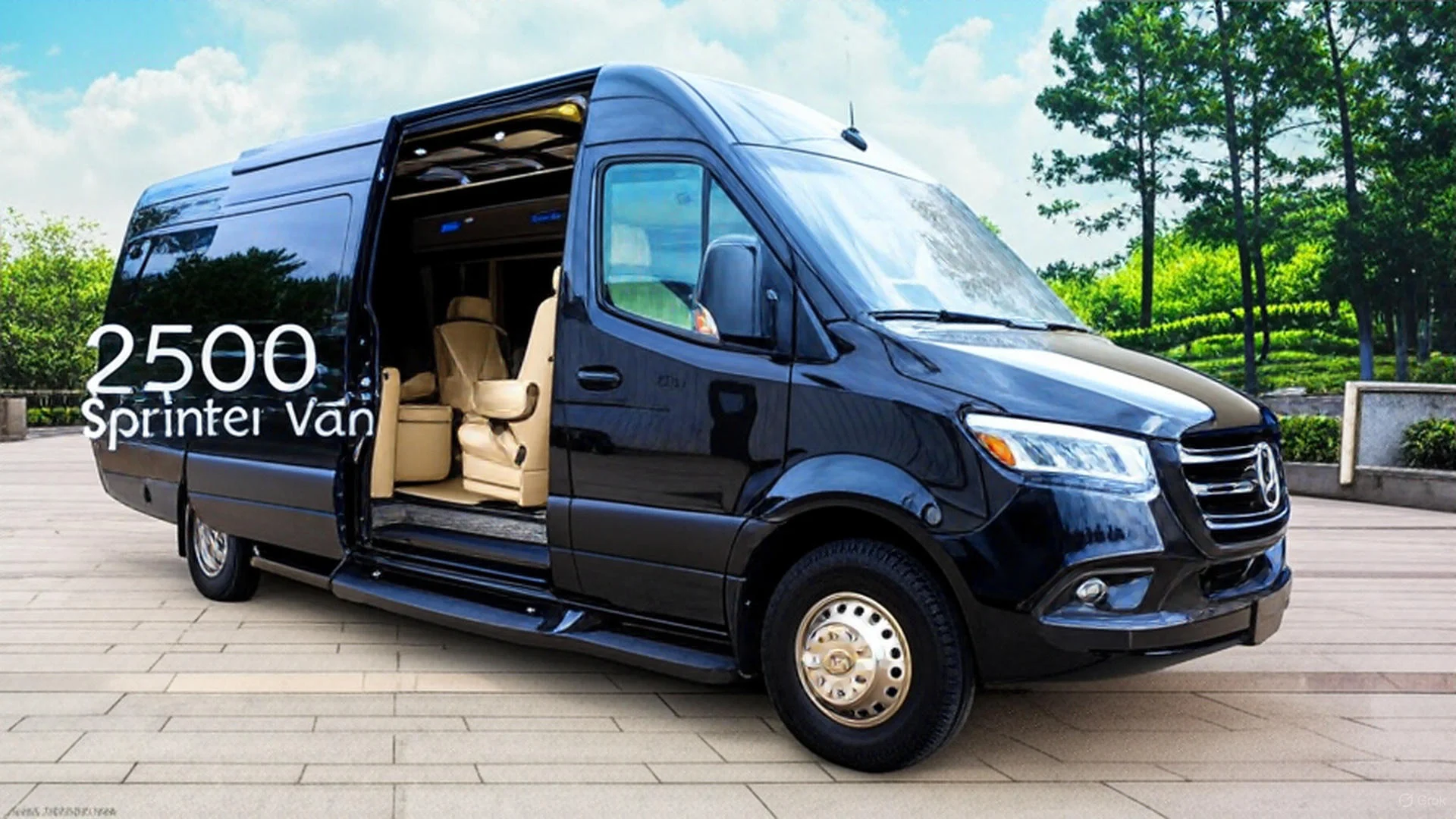
    The 2500 sprinter van stands out as a top choice for businesses and adventurers alike. Its mix of space, power, and reliability makes it a versatile vehicle for many needs. Whether you’re hauling cargo for your company or building out a custom camper for life on the road, this van delivers. It is known for its durability and advanced features, which is why so many people trust it.

    From its powerful engine options to its impressive cargo capacity, the Sprinter 2500 is built to handle tough jobs. This guide will walk you through everything you need to know about this popular van. We will cover its history, different models, key features, and what makes it a smart investment. You will get a complete picture of why the 2500 sprinter van remains a favorite in its class.

    What is a 2500 Sprinter Van?

    A 2500 sprinter van is a light-duty commercial vehicle that is highly adaptable. It is part of the Sprinter lineup, which was first introduced in Europe in 1995. Originally sold under the Mercedes-Benz brand, it has also been available as a Dodge and Freightliner in North America. The “2500” designation refers to its payload capacity, which is roughly three-quarters of a ton.

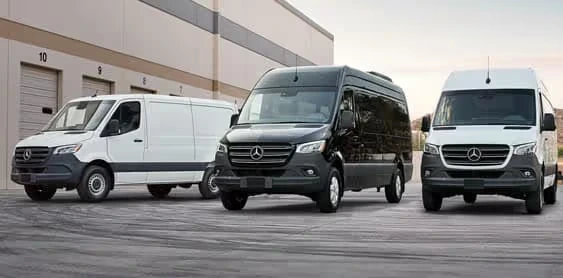
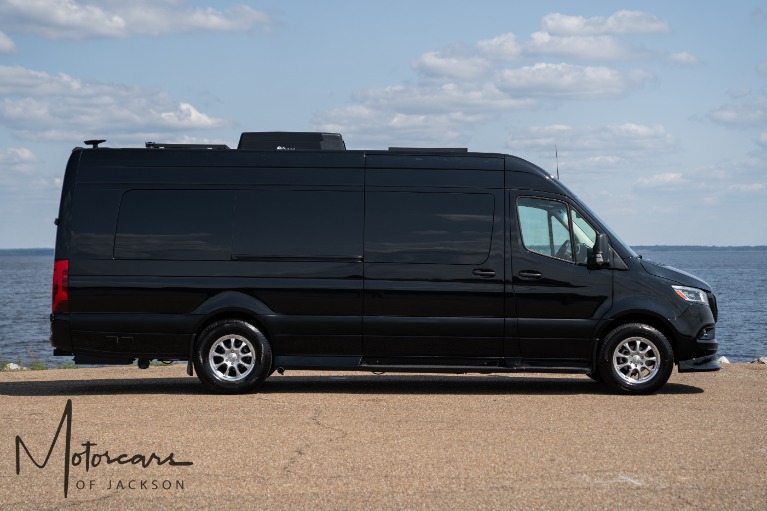
    This makes it a great middle-ground option, stronger than a 1500 model but more nimble than the heavier 3500 or 4500 series. These vans are famous for their tall, boxy shape, which maximizes interior space. You can get them in various configurations, including cargo, crew, and passenger versions. The high roof option is particularly popular, as it allows most adults to stand up straight inside. This is a huge benefit for contractors who use it as a mobile workshop or for van lifers creating a tiny home on wheels.

    A Brief History of the Sprinter Van

    The Sprinter van story began in Germany. It quickly became a benchmark for what a modern commercial van could be. Its success led to its introduction in the United States in 2001. Initially, it was brought over as a Freightliner and then later as a Dodge Sprinter.

    Important historical points include:

    • Early 2000s: The 2004 dodge sprinter 2500 cargo van tire load index became a key specification for owners needing to ensure safety and performance.
    • 2010: Mercedes-Benz took over sole branding in the U.S. market, solidifying its premium position.
    • Today: The mercedes sprinter van 2500 is recognized globally for its quality and innovation.
    Key Features of the Modern Mercedes 2500 Sprinter Van

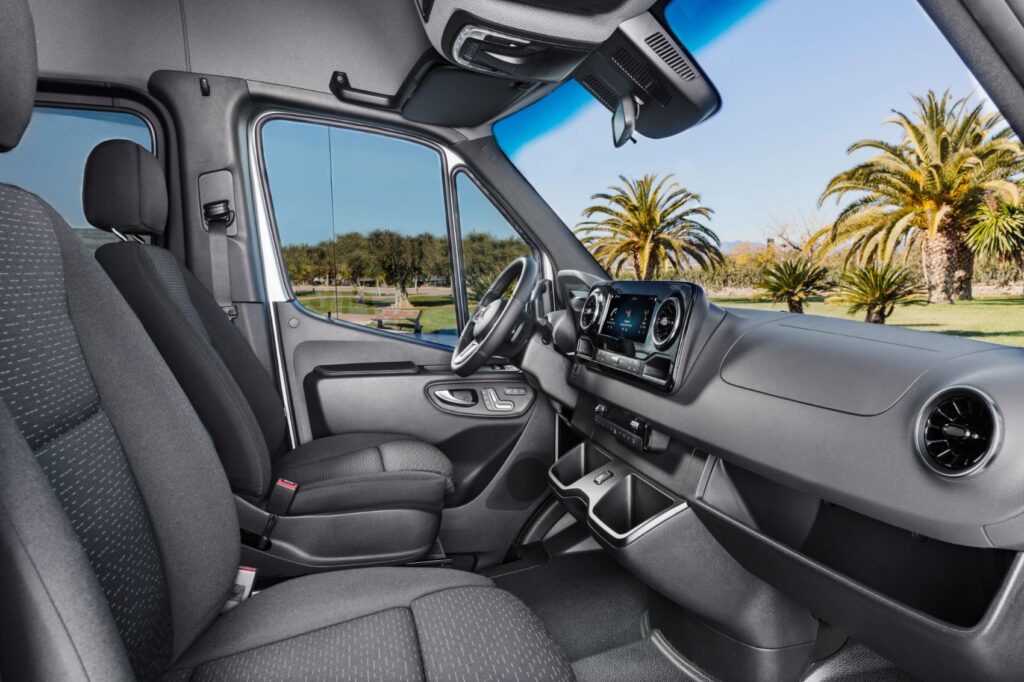
    The modern mercedes 2500 sprinter van is packed with technology and thoughtful design elements. Mercedes-Benz has focused on making these vans as comfortable and safe as they are practical. The driver’s cabin feels more like an SUV than a work truck, with an ergonomic layout and premium materials. You will find advanced driver-assistance systems that were once only available in luxury sedans.

    These include features like Active Brake Assist, which can help prevent collisions, and a 360-degree camera system that makes parking this large vehicle much easier. The MBUX infotainment system with its “Hey, Mercedes” voice control brings a new level of connectivity. Under the hood, you have choices between efficient diesel engines and a powerful gasoline option, paired with a smooth 9-speed automatic transmission. This ensures you have the right amount of power for your needs while keeping fuel costs down.

    Performance and Engine Options

    When you look at a 2500 sprinter van, you’ll see a focus on performance and efficiency. The latest models offer a range of powertrains designed to meet different demands. This ensures you can get the job done without spending a fortune on fuel.

    • Standard Output Diesel: A 2.0-liter, 4-cylinder turbodiesel engine that provides a great balance of power and fuel economy. It’s ideal for city driving and lighter loads.
    • High-Output Diesel: This engine offers more horsepower and torque, making it perfect for hauling heavier cargo or navigating steep terrain.
    • Gasoline Engine: A turbocharged 2.0-liter gasoline engine is also available, providing quick acceleration and a quieter ride.

    All engines are paired with a 9G-TRONIC automatic transmission, which offers smooth shifts and helps optimize fuel consumption. Rear-wheel drive is standard, but all-wheel drive is an option for those who need extra traction in snow or on rough roads.

    Interior Space and Customization

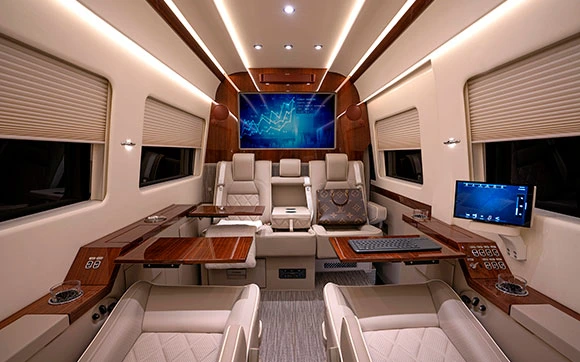
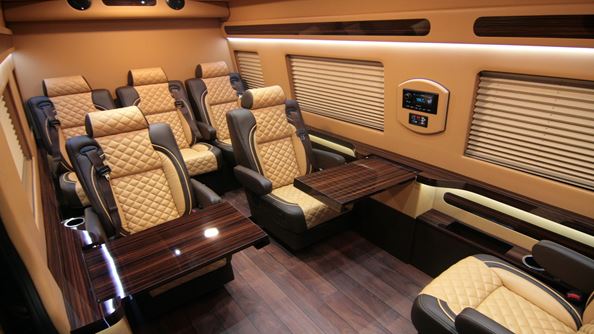
    The interior is where the 2500 sprinter van truly shines. The sheer volume of space is impressive. You can choose from different roof heights and wheelbase lengths to get the exact size you need.

    Available Configurations:

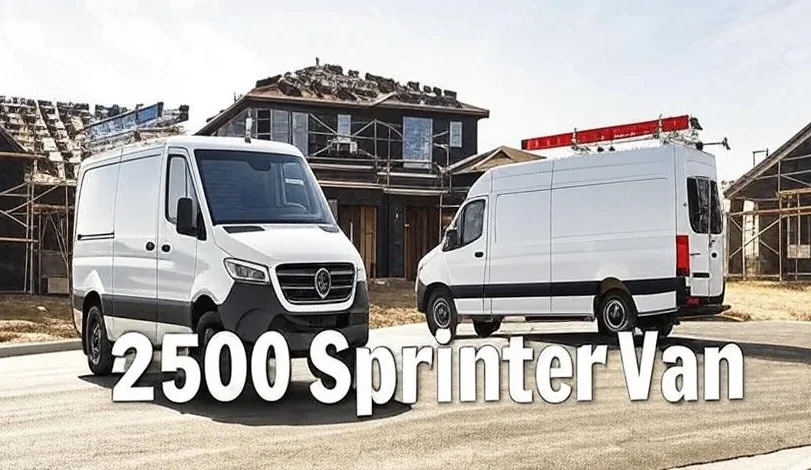
    • Cargo Van: This is a blank canvas. It’s perfect for tradespeople who need to install shelving and tool racks or for DIY camper conversions. The large, open space can hold an incredible amount of gear or materials.
    • Crew Van: This version has a second row of seats, allowing you to transport up to five people while still having plenty of cargo space in the back. It’s a great choice for work crews.
    • Passenger Van: With seating for up to 15 people, this model is ideal for shuttle services, tour companies, or large families.

    The high roof option is a game-changer. It provides over six feet of interior standing height, making it comfortable to move around inside. The nearly vertical walls also make it easier to build out cabinets and furniture for a camper van.

    The 2023 Mercedes-Benz Sprinter 2500 Cargo Van

    The 2023 mercedes-benz sprinter 2500 cargo van introduced some significant updates. The most notable change was the move to an all-4-cylinder engine lineup, discontinuing the older V6 diesel. This shift was aimed at improving efficiency and reducing emissions across the board. The new diesel engines, available in two output levels, offer plenty of torque for demanding tasks. The 2023 model also features a new all-wheel-drive (AWD) system that replaces the previous 4×4 setup.

    This new system can automatically send power to the front wheels when it detects slip, providing better traction without any input from the driver. It is more advanced and operates more seamlessly than the old system. These updates make the 2500 sprinter van even more capable and user-friendly, whether you are on a paved highway or a muddy job site.

    Payload and Towing Capacity

    Understanding what your van can handle is critical. The 2500 sprinter van offers strong payload and towing numbers that make it a workhorse.

    Specification144″ Wheelbase170″ Wheelbase
    Max Payload~ 4,211 lbs~ 3,770 lbs
    Max Towing5,000 lbs5,000 lbs
    GVWR9,050 lbs9,050 lbs

    Note: Figures can vary based on engine, roof height, and other options.

    These numbers show that the mercedes sprinter van 2500 is more than capable of carrying heavy loads and towing trailers. The Gross Vehicle Weight Rating (GVWR) of 9,050 lbs is a key figure, as it represents the maximum total weight of the van, including passengers, cargo, and fuel.

    The Cost of Owning a 2500 Sprinter Van

    The initial purchase price of a 2500 sprinter van is higher than some of its competitors. However, the total cost of ownership is often very competitive. Sprinter vans are known for their longevity and reliability, which means fewer repair bills over the long run. Their efficient diesel engines also help save money at the pump. When considering the cost, it’s important to look beyond the sticker price.

    Factors to Consider:

    • Fuel Economy: Diesel models often get better mileage than their gasoline counterparts, especially on the highway.
    • Maintenance: While routine service at a Mercedes-Benz dealership can be pricey, the service intervals are long. Many owners report going 20,000 miles between oil changes.
    • Resale Value: Sprinter vans hold their value exceptionally well. This is especially true for well-maintained models and custom camper builds. When it’s time to sell, you can expect to get a good portion of your investment back.
    • Insurance: Costs can be higher than for a standard van, so it’s wise to get quotes before you buy.

    Understanding Tire Specifications

    For any van owner, especially of older models, knowing your tire specifications is vital for safety. A common question relates to the 2004 dodge sprinter 2500 cargo van tire load index. This index is a number on the tire’s sidewall that tells you the maximum weight each tire can safely carry. To find the right load index, you need to know your van’s Gross Axle Weight Rating (GAWR), especially for the rear axle, which carries more weight.

    Here’s a simple way to think about it:

    1. Find the GAWR for the rear axle on the sticker inside the driver’s door jamb.
    2. Divide that number by two to get the minimum load each rear tire must support.
    3. Consult a tire load index chart to find the number that corresponds to that weight.

    Using tires with a lower load index than required is dangerous. It can lead to tire failure, especially when the van is fully loaded. Always choose a tire with a load index that meets or exceeds the manufacturer’s recommendation.

    Why Choose a Mercedes Sprinter Van 2500?

    With so many vans on the market, what makes the mercedes sprinter van 2500 the right choice? It comes down to a combination of quality, capability, and long-term value. This van is built to a higher standard, and you can feel it in the way it drives and the durability of its components. The level of available technology, from safety features to infotainment, is unmatched in the commercial van segment.

    Key Advantages:

    • Superior Ride Quality: It drives more like a large SUV than a commercial truck.
    • Advanced Safety Features: Options like blind-spot monitoring and adaptive cruise control make driving safer.
    • High Resale Value: Your investment is protected by strong demand in the used market.
    • Customization Potential: The interior space and high roof make it the perfect base for any project.
    • Brand Prestige: The Mercedes-Benz star on the grille signifies quality and reliability.

    Conclusion

    The 2500 sprinter van is more than just a vehicle; it’s a versatile platform for business owners, adventurers, and families. Whether you need a reliable workhorse like the 2023 mercedes-benz sprinter 2500 cargo van or a base for your dream camper, this van delivers on all fronts. Its combination of performance, safety, and customization options sets it apart from the competition. While the initial investment might be higher, its excellent resale value and lower running costs often make it a smarter financial choice in the long run. The Sprinter 2500 has earned its reputation as a leader in the full-size van market through years of proven performance and continuous innovation.

    Frequently Asked Questions (FAQ)

    1. What does “2500” mean on a Sprinter van?
    The “2500” designation indicates the van’s payload classification. A 2500 sprinter van is considered a three-quarter-ton vehicle, meaning it can carry a payload of around 3,000 to 4,000 pounds, depending on the specific configuration.

    2. Can I stand up inside a 2500 Sprinter Van?
    Yes, if you choose the high roof option. The high roof mercedes 2500 sprinter van offers an interior height of about 79.1 inches (over 6.5 feet), allowing most people to stand up comfortably. The standard roof is much lower, at around 67.7 inches.

    3. What is the difference between a Sprinter 2500 and 3500?
    The main difference is the rear axle and payload capacity. A Sprinter 3500 has a heavier-duty rear axle and is often equipped with dual rear wheels (a “dually”), which allows it to carry a much heavier payload. The 2500 has single rear wheels and is designed for lighter-duty applications.

    4. Are Sprinter vans reliable?
    Yes, Sprinter vans are well-known for their reliability and durability, especially their diesel engines, which can last for hundreds of thousands of miles with proper maintenance. Following the recommended service schedule is key to ensuring a long life for your van.

    5. How is the fuel economy on a 2500 Sprinter Van?
    Fuel economy varies depending on the engine, driving style, and load. However, the diesel models are quite efficient for their size. Owners often report getting between 18 and 24 miles per gallon on the highway, which is excellent for a large van.
  • Your Guide to the 4 10 Sprint Car World

    Your Guide to the 4 10 Sprint Car World

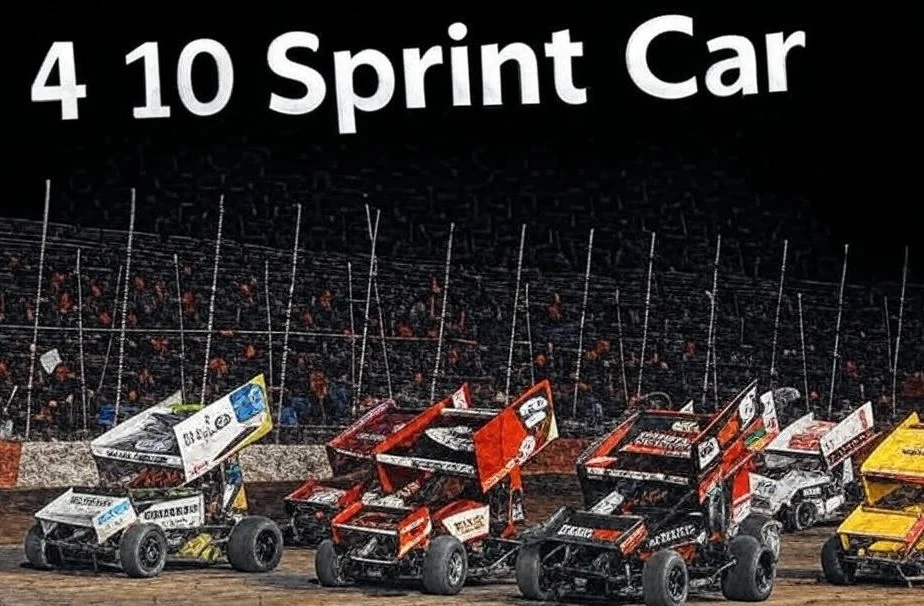
    The world of remote-controlled racing is vast and thrilling, offering something for every type of enthusiast. Among the most exciting categories is the 4 10 sprint car, a popular choice for dirt oval racing. These models capture the raw power and unique look of their full-sized counterparts, providing an accessible way to experience high-speed, side-by-side action.

    Whether you’re a seasoned RC veteran or just starting, this guide will cover everything you need to know about the dynamic world of 4 10 sprint cars. We will explore different scales, popular kits, and what makes these machines a favorite in the RC community.

    Key Takeaways

    • Understanding the Terminology: The term “4 10 sprint car” is often a user-generated search phrase that blends the common “1/10 scale” and the larger “1/4 scale” RC cars. The most popular category is the 1/10 scale sprint car.
    • Scale Matters: The scale of an RC car, from a micro sprint car to a large 1 10 to 1 4 scale sprint car, determines its size, cost, and racing environment.
    • Kits vs. RTR: You can choose between unassembled kits that allow for full customization, like the Custom Works R/C CSW0724 1/10 Outlaw 4 Sprint Car Kit, or Ready-to-Run (RTR) models that are perfect for beginners.
    • Performance and Power: These cars are designed for dirt oval racing, featuring powerful brushless motors, specialized suspension, and high-grip tires to handle the unique challenges of sliding through corners.
    • Community and Competition: A vibrant community exists around RC sprint car racing, with local tracks and national events offering a place for friendly competition and shared passion.

    What Exactly Is a 4 10 Sprint Car?

    When you encounter the term 4 10 sprint car, it’s important to understand what it typically refers to in the RC community. This phrase is a common search query that often merges two distinct but related concepts: the very popular 1/10 scale and the much larger 1/4 scale. For most hobbyists and racers, the focus is squarely on the 1/10 scale sprint car. This scale offers the perfect balance of size, speed, and affordability, making it the go-to choice for organized dirt oval racing across the United States.

    These cars are large enough to be impressive on the track but small enough to be manageable and relatively inexpensive compared to their bigger cousins. They are specifically designed to mimic the appearance and handling of real-life winged sprint cars, complete with the iconic oversized top wing and offset wheel configuration.

    The Popularity of 1/10 Scale

    The 1/10 scale is the backbone of the RC sprint car world. It has a well-established ecosystem of manufacturers, parts suppliers, and racing leagues. Brands like Custom Works, Losi, and Team Associated are major players, offering everything from beginner-friendly models to championship-winning chassis. The availability of parts and upgrades is a huge advantage, allowing you to fine-tune your car for specific track conditions or repair it after a rough race.

    This widespread support makes it easier for new racers to get started and for experienced drivers to stay competitive. The community around 1/10 scale racing is another significant factor in its popularity, fostering a friendly and supportive environment at local tracks.

    Exploring Different Scales: 1 10 to 1 4 Scale Sprint Car

    While 1/10 scale dominates the scene, the journey from a 1 10 to 1 4 scale sprint car covers a wide spectrum of the RC hobby. Each scale offers a unique experience. As you move up in size, the cars become more powerful, more expensive, and require more space to operate.

    A 1/4 scale car, for example, is a massive machine that often uses a gasoline engine instead of an electric motor. These giants provide an incredibly realistic racing experience but come with a much higher price tag and maintenance commitment. On the other end of the spectrum, you can find smaller scales that offer fun in more compact spaces.

    Micro Sprint Car: Big Fun in a Small Package

    For those with limited space or a smaller budget, the micro sprint car is an excellent entry point. Typically found in 1/18 or 1/24 scale, these tiny racers are perfect for indoor tracks or even a smooth driveway. Despite their small size, modern micro sprint cars pack a surprising punch, often featuring brushless motors and advanced suspension systems.

    Brands like 1RC Racing specialize in this niche, offering ready-to-run models that are a blast to drive right out of the box. A micro sprint car can be a great way to learn the fundamentals of car control and setup before moving on to larger, more powerful scales. They offer all the excitement of sprint car racing in a more accessible and affordable package.

    Getting Started: Kits vs. Ready-to-Run (RTR)

    One of the first decisions you’ll make is whether to buy an unassembled kit or a Ready-to-Run (RTR) vehicle. An RTR car comes fully assembled and typically includes the radio, battery, and charger—everything you need to start racing immediately. This is an ideal choice for beginners who want to get on the track without the complexity of building a car from scratch.

    On the other hand, kits appeal to hobbyists who enjoy the building process and want complete control over their vehicle’s components. Building a kit is a rewarding experience that teaches you the ins and outs of your car, making it easier to perform maintenance and upgrades down the line.

    Spotlight on the Custom Works R/C CSW0724 1/10 Outlaw 4 Sprint Car Kit

    For serious racers looking to build a competitive machine, the Custom Works R/C CSW0724 1/10 Outlaw 4 Sprint Car Kit is a legendary choice. Custom Works has a long-standing reputation for producing high-performance dirt oval chassis. The Outlaw 4 is the culmination of years of development, featuring a lightweight design, adjustable suspension geometry, and high-quality materials.

    This kit is designed for racers who demand precision and want to fine-tune every aspect of their car’s performance. While it requires you to purchase your own electronics (motor, ESC, servo, radio), this allows for complete customization to match your driving style and track conditions.

    Features of the Outlaw 4 Kit:

    • High-quality carbon fiber components
    • Adjustable suspension for fine-tuning
    • Durable and lightweight design
    • Proven performance in competitive racing

    The Heart of the Beast: Power Systems and Electronics

    The performance of your 4 10 sprint car is heavily dependent on its electronics. The key components are the motor, Electronic Speed Control (ESC), steering servo, and battery.

    Motors: Brushed vs. Brushless

    • Brushed Motors: These are older technology, less efficient, and require more maintenance. They are typically found in older or more budget-oriented RTR models.
    • Brushless Motors: This is the standard for modern RC racing. Brushless motors are more powerful, efficient, and last longer with minimal maintenance. They are essential for competitive racing.

    Electronic Speed Control (ESC)

    The ESC is the brain of your car’s power system. It takes the signal from your radio receiver and delivers the appropriate amount of power to the motor. A good ESC allows for smooth throttle control and can be programmed to adjust settings like braking strength and power delivery.

    Steering Servo and Battery

    A high-quality steering servo is crucial for precise control, especially when sliding through corners at high speeds. Look for a servo with a good balance of speed and torque. Finally, the battery, usually a Lithium Polymer (LiPo) pack, provides the power. Higher capacity (mAh) and discharge rate (C rating) will generally provide longer run times and more punch.

    Anatomy of an RC Sprint Car

    Understanding the different parts of an RC sprint car helps in both maintenance and performance tuning. These cars have a unique design tailored for turning left on dirt ovals.

    ComponentFunctionImportance for Performance
    ChassisThe main frame of the car. Usually made of carbon fiber or aluminum for a balance of rigidity and low weight.A well-designed chassis provides a stable platform for the suspension and electronics.
    SuspensionConsists of shocks, springs, and suspension arms. Designed to keep the tires in contact with the uneven dirt surface.Proper suspension tuning is critical for handling. It affects how the car transfers weight and grips the track through corners.
    Top WingThe most prominent feature. It generates downforce to help the car stick to the track at high speeds.The angle and position of the wing can be adjusted to change the car’s handling characteristics.
    TiresMade of special rubber compounds for dirt racing. The right front tire is often larger than the left.Tire choice is one of the most important setup adjustments. Different compounds are used for different track conditions (e.g., wet, dry, loamy).

    RC 1/4 Scale Sprint Cars for RC 10 Enthusiasts

    For those who started with the iconic RC10 buggy from Team Associated, the world of RC 1/4 scale sprint cars for RC 10 fans might seem like a huge leap. While the RC10 platform itself doesn’t convert to 1/4 scale, the skills learned from racing and tuning it are directly transferable.

    The principles of suspension geometry, weight transfer, and tire management are universal in RC racing. Many hobbyists who mastered the 1/10 scale buggies eventually look for a new challenge, and the sheer size and power of 1/4 scale sprint cars offer just that. These larger models provide a different kind of thrill, more closely mirroring the experience of full-scale motorsport.

    The Appeal of Larger Scales

    Moving to RC 1/4 scale sprint cars involves a significant investment, but the payoff is an unparalleled racing experience. These cars, often measuring over three feet long, have a commanding presence on the track. Powered by two-stroke gasoline engines, their sound and speed are impressive.

    The larger size also means they are less affected by small bumps on the track, leading to more stable handling. For the dedicated enthusiast who loves to tinker, these large-scale models offer endless opportunities for customization and fabrication, truly becoming a passion project.

    Finding a Place to Race

    Getting into RC sprint car racing is more fun when you have a local track and community to join. Many regions across the United States have dedicated dirt oval tracks that host regular club races and larger events. These tracks are the heart of the RC racing scene, providing a place for friendly competition and knowledge sharing.

    A quick search online or a visit to a local hobby shop can help you find nearby tracks. Most tracks welcome newcomers and have experienced racers who are happy to offer advice on car setup, driving techniques, and the best equipment to get started with your 4 10 sprint car.

    What to Expect on Race Day

    A typical race day at a dirt oval track involves a few rounds of practice, followed by qualifying heats and a main event. Qualifying determines your starting position for the main race. The atmosphere is usually relaxed and friendly, with everyone sharing a passion for the hobby. Don’t be afraid to ask questions! The RC community is known for being welcoming and supportive, and you’ll find that most people are eager to help you get up to speed. It’s a great way to make new friends and improve your skills.

    Conclusion of 4 10 Sprint Car World

    The world of the 4 10 sprint car is a thrilling and rewarding corner of the RC hobby. Centered primarily around the highly popular 1/10 scale, it offers an accessible way to experience the high-speed action of dirt oval racing. From building a competitive kit like the Custom Works R/C CSW0724 1/10 Outlaw 4 Sprint Car Kit to the instant fun of a ready-to-run model, there’s a path for every interest and skill level.

    Whether you’re sliding a micro sprint car around an indoor track or exploring the massive power of a 1 10 to 1 4 scale sprint car, the core principles of setup and control remain the same. This hobby is about more than just speed; it’s about community, friendly competition, and the satisfaction of mastering your machine.

    FAQs about 4 10 Sprint Car World

    What is the best scale for a beginner?

    For a beginner interested in dirt oval racing, the 1/10 scale is highly recommended. It offers the best balance of performance, affordability, and parts availability. The community and racing opportunities are also most abundant in this scale.

    How fast can a 4 10 sprint car go?

    The speed of a 1/10 scale RC sprint car can vary widely based on its motor, battery, and gearing. A typical brushless-powered model used for racing can reach speeds of 30-50 mph on the straights of a dirt oval track.

    Is building a kit difficult?

    Building a kit requires patience and attention to detail, but it is not overly difficult for someone with basic mechanical skills. The instruction manuals are generally very clear and well-illustrated. The experience is highly rewarding and provides invaluable knowledge about how your car works.

    What maintenance is required for an RC sprint car?

    Regular maintenance includes cleaning the car after each run (especially on dirt), checking for loose screws, inspecting bearings and gears for wear, and recharging batteries. Shock oil may need to be changed periodically to maintain consistent suspension performance.

    Where can I buy parts for my sprint car?

    Parts are widely available through online hobby stores, manufacturer websites, and local hobby shops. Websites like eBay are also a great source for both new and used parts, especially for vintage or hard-to-find models.

  • Your Guide to the Sprint Ironman Triathlon

    Your Guide to the Sprint Ironman Triathlon

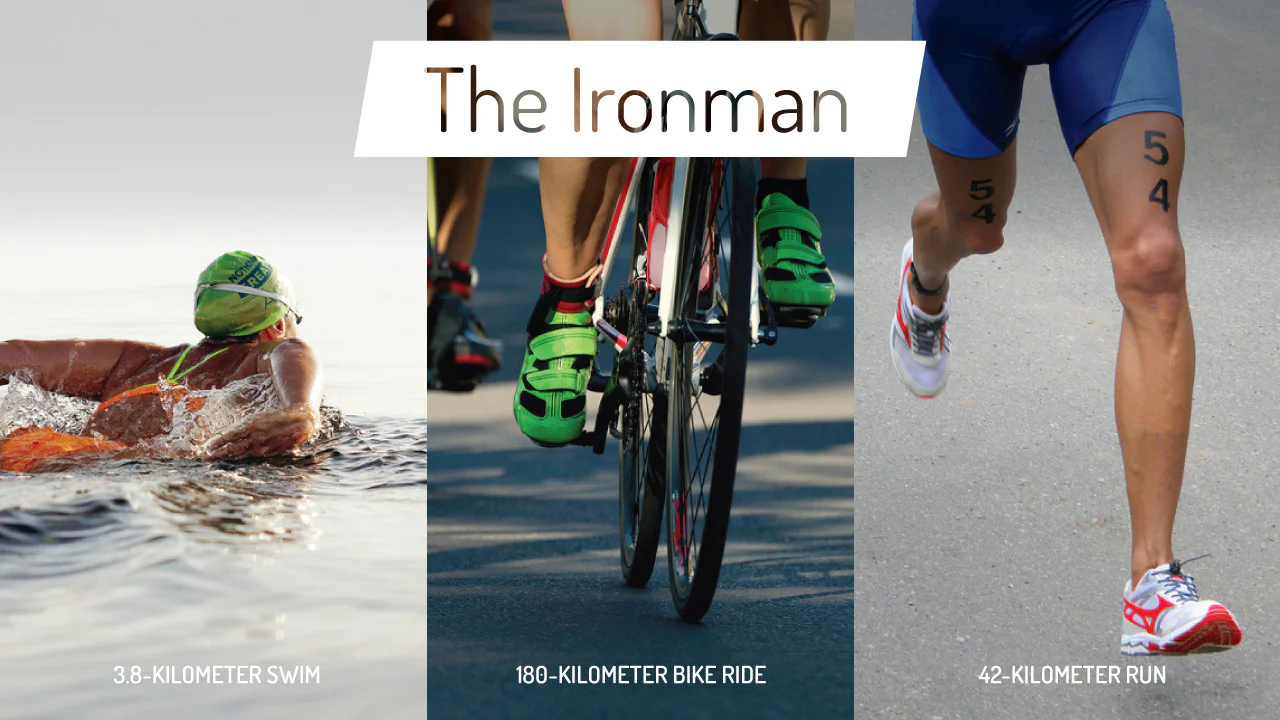
    Have you ever heard the term sprint ironman and felt a mix of confusion and curiosity? You are not alone. Many people wonder if these two powerhouse names in the triathlon world, “sprint” and “Ironman,” can even exist in the same race. The term itself is a common misnomer, but it points to a growing interest in shorter, more accessible triathlon events. This guide will clear up the confusion, explain what people usually mean by “sprint ironman,” and give you all the details you need to get started.

    The reality is, there is no official race called a “sprint ironman.” Ironman is a brand famous for its grueling long-distance races, while a sprint triathlon is a much shorter, distinct race distance. When people search for “sprint ironman,” they are typically looking for information on sprint triathlons, which are a fantastic entry point into the sport. This article will serve as your ultimate resource, covering everything from the exact distances to training tips and what to expect on race day. We will break down the components of a sprint triathlon and compare it to the famous Ironman races to give you a clear picture.

    What Exactly is a Sprint Triathlon?

    A sprint triathlon is a short-distance multi-sport event. It’s one of the most popular race formats, especially for beginners. The name is a bit deceiving; while it’s called a “sprint,” it’s still a serious endurance challenge that requires training and dedication. However, the distances make it achievable for people with busy lives who can’t commit to the intense training schedule required for longer races.

    A sprint triathlon consists of three continuous and sequential disciplines: swimming, cycling, and running. You start with the swim, transition to the bike, and finish with the run. The clock starts when you begin the swim and stops only when you cross the final finish line. This format tests your ability not just in each sport, but also in managing your energy and transitioning smoothly between them. Many local clubs and race organizers across the United States offer sprint triathlon events, making them highly accessible.

    The Origin of the Confusion: Sprint vs. Ironman

    The confusion between a sprint and an Ironman is understandable. “Ironman” has become a globally recognized brand, almost synonymous with triathlon itself, much like Kleenex is for tissues. The Ironman brand, owned by the World Triathlon Corporation (WTC), is famous for its long-distance events: the full Ironman and the half-Ironman (also known as Ironman 70.3). These races are known for their extreme distances and difficulty.

    A sprint triathlon, on the other hand, is a generic term for a specific, much shorter race distance. It is not an event put on by the Ironman brand. Therefore, an official “Ironman sprint” or “sprint ironman” does not exist. However, the search term shows that many aspiring triathletes are looking for a less intimidating version of the famous race, and the sprint distance is the perfect answer.

    Understanding Sprint Ironman Distances

    When you sign up for a sprint triathlon, you are committing to a set challenge. While there can be slight variations depending on the race organizer and location, the standard sprint ironman distances are well-defined. Knowing these distances is the first step in creating a solid training plan.

    It’s important to remember that these are the standard distances for an ironman sprint-style event, which is properly called a sprint triathlon. The total distance is 16 miles (25.75 kilometers), making it a manageable yet rewarding goal for new and experienced athletes alike.

    Breakdown of the Distances

    Let’s look at each segment of a sprint triathlon individually. This will help you understand what you need to train for.

    • Swim: 750 meters (0.47 miles)
    • Bike: 20 kilometers (12.4 miles)
    • Run: 5 kilometers (3.1 miles)

    For many beginners, the swim is the most intimidating part. A 750-meter swim often takes place in open water, like a lake or ocean, but many beginner-friendly events use a swimming pool. The 20-kilometer bike ride is next, followed by a 5k run—a distance familiar to many recreational runners.

    Distance Comparison Table

    To put the ironman sprint distances into perspective, let’s compare them to other common triathlon formats, including the famous Ironman races.

    Race TypeSwim DistanceBike DistanceRun DistanceTotal Distance
    Sprint Triathlon750 m (0.47 mi)20 km (12.4 mi)5 km (3.1 mi)25.75 km (16 mi)
    Olympic Triathlon1.5 km (0.93 mi)40 km (24.8 mi)10 km (6.2 mi)51.5 km (32 mi)
    Half-Ironman (70.3)1.9 km (1.2 mi)90 km (56 mi)21.1 km (13.1 mi)113 km (70.3 mi)
    Full Ironman3.8 km (2.4 mi)180 km (112 mi)42.2 km (26.2 mi)226 km (140.6 mi)

    As you can see, a sprint triathlon is significantly shorter than an Ironman. The swim is about one-fifth the distance, the bike ride is less than one-eighth, and the run is just a fraction of a full marathon.

    Training for a Sprint Ironman

    Training for a sprint triathlon is a rewarding journey. While less demanding than preparing for an Ironman, it still requires a structured plan and consistency. A good plan will help you build endurance, improve your technique in all three disciplines, and get your body ready for race day. Most beginner training plans last between 8 and 12 weeks.

    Your training should balance swimming, cycling, and running. It is also crucial to practice transitions, often called the “fourth discipline” of triathlon. Efficient transitions can save you valuable time and energy during the race. Don’t forget to include rest days in your schedule, as recovery is just as important as the workouts themselves. A well-rested body performs better and is less prone to injury.

    Essential Swimming Tips

    For many newcomers, the swim is the biggest hurdle. If you’re not a confident swimmer, consider taking lessons to improve your form.

    • Focus on Technique: A good swimming technique is more important than raw power. Work on your breathing, body position, and stroke efficiency.
    • Open Water Practice: If your race is in open water, practice swimming in a lake or ocean. This helps you get used to the conditions, practice sighting (lifting your head to see where you’re going), and feel comfortable without lane lines.
    • Consistency is Key: Aim for 2-3 swim sessions per week. Start with shorter distances and gradually build up to 750 meters and beyond.

    Cycling for Success

    The bike portion is the longest part of a sprint triathlon, so being comfortable on your bike is vital. You don’t need a high-end triathlon bike; a standard road bike or even a hybrid can work for your first race.

    • Get a Bike Fit: Ensure your bike is properly fitted to your body. This prevents discomfort and injury and improves your efficiency.
    • Build Endurance: Include one long ride in your weekly schedule, gradually increasing the distance to 20-25 kilometers.
    • Practice Hills: Even if your race course is flat, training on hills will build strength and power.

    Running to the Finish Line

    The final leg is the run. The biggest challenge here is running on tired legs after the swim and bike.

    • Brick Workouts: The most effective way to prepare for the run is by doing “brick” workouts. These are sessions where you run immediately after a bike ride. For example, a 30-minute bike ride followed by a 15-minute run.
    • Pacing Strategy: Don’t start the run too fast. It’s easy to get caught up in the excitement, but it’s better to start at a steady pace and finish strong.
    • Vary Your Runs: Include a mix of easy runs, interval training, and longer, slower runs to build both speed and endurance.

    Gearing Up for Your Race

    Having the right gear can make your training and race day experience much more enjoyable. You don’t need to spend a fortune, but some items are essential.

    Must-Have Gear

    • Swim: Goggles, swim cap (usually provided by the race), and a swimsuit or tri-suit. A wetsuit may be needed for cold water and can help with buoyancy.
    • Bike: A bicycle in good working order, a helmet (mandatory for all races), a water bottle, and a small repair kit.
    • Run: A good pair of running shoes and comfortable clothing (if not wearing a tri-suit).

    Optional but Helpful Gear

    • Tri-Suit: A one-piece outfit designed for all three sports. It’s comfortable for swimming, has a small pad for cycling, and is great for running.
    • Race Belt: An elastic belt to hold your race number. It makes it easy to switch your number from your back (for the bike) to your front (for the run).
    • Cycling Shoes: These clip into your pedals, allowing for a more efficient and powerful pedal stroke.

    What to Expect on Race Day

    Race day is the culmination of all your hard work. It’s normal to feel a mix of excitement and nerves. Arrive at the race site early to give yourself plenty of time to set up your transition area, warm up, and get a feel for the environment.

    The transition area is where you’ll keep your bike and gear. Organize your equipment neatly so you can find everything quickly. Walk through the transition flow—from the swim entrance to your bike, and from your bike to the run exit—so you know exactly where to go. During the race, stay calm, focus on your own performance, and remember to have fun. Soak in the atmosphere, thank the volunteers, and be proud of what you’re accomplishing.

    Finding an Ironman Sprint 2025 Event

    If you are looking for an ironman sprint 2025 event, your best bet is to search for “sprint triathlon 2025” in your area. Websites like USA Triathlon’s event calendar, Active.com, and local triathlon club websites are excellent resources. These platforms list hundreds of races across the country, from small, local events to large, well-known competitions.

    When choosing a race, consider factors like the location, the date, and the nature of the course. A race with a pool swim and a flat bike and run course is a great choice for a first-timer. Reading race reviews from previous years can also give you valuable insight into the event’s organization and atmosphere. Signing up for an ironman sprint 2025 race is the first step toward an exciting new challenge.

    Conclusion of Sprint Ironman Triathlon

    While an official sprint ironman race doesn’t exist, the term captures the desire of many to take on the triathlon challenge in a more manageable format. A sprint triathlon offers the perfect opportunity to do just that. It combines swimming, cycling, and running into a fun and achievable endurance event that will push your limits and leave you with an incredible sense of accomplishment.

    By understanding the sprint ironman distances, following a consistent training plan, and preparing for race day, you can successfully cross the finish line. The journey to your first triathlon is filled with personal growth, new friendships, and the thrill of pushing your boundaries. Embrace the challenge, enjoy the process, and get ready to call yourself a triathlete.

    Frequently Asked Questions about Sprint Ironman Triathlon

    Can a beginner do a sprint triathlon?

    Absolutely! A sprint triathlon is the perfect distance for a beginner. The distances are manageable, and with a structured 8-12 week training plan, most people with a basic level of fitness can successfully complete the race.

    How long does it take to finish a sprint ironman?

    Finishing times for a sprint triathlon vary widely. Elite athletes might finish in under an hour. Most age-group participants finish between 1 hour and 30 minutes to 2 hours. A good goal for a first-timer is simply to finish and enjoy the experience.

    Do I need an expensive bike for a sprint triathlon?

    No, you do not need an expensive, top-of-the-line bike. Any roadworthy bicycle, including a road bike, hybrid, or even a mountain bike (though less efficient), will get you through your first sprint triathlon. The most important thing is that it is safe and fits you properly.

    What is the difference between an ironman sprint and a super sprint?

    A super sprint triathlon is even shorter than a sprint triathlon. The typical distances for a super sprint are a 400m swim, a 10km bike, and a 2.5km run. It’s an excellent option for those who find the sprint distance a bit too daunting or for experienced athletes looking for a very fast-paced race.

  • The Guide to the Micro Sprint Car

    The Guide to the Micro Sprint Car

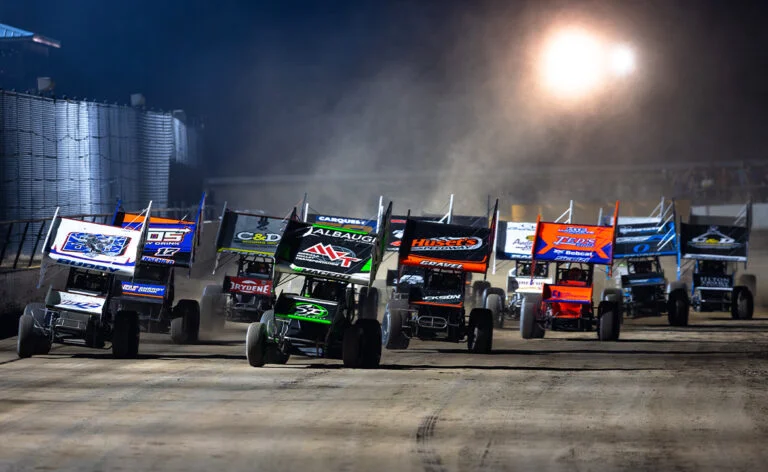
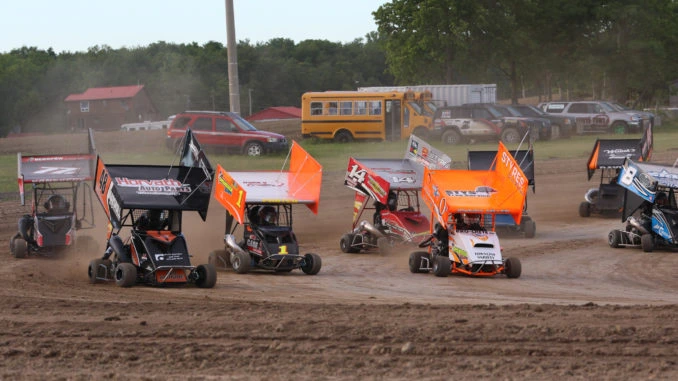
    Have you ever seen a race car that looks like a scaled-down version of a full-sized sprint car, zipping around a dirt track with incredible speed? You were likely watching a micro sprint car. This exciting form of open-wheel racing offers high-speed thrills and serves as an important stepping stone for aspiring drivers. It is a more affordable entry into the world of sprint car racing, making it popular across the United States.

    This guide will cover everything you need to know, from the basic definition of a micro sprint car to the engines that power them and how you can get involved. We will explore the different classes, the essential parts, and why this sport is capturing the hearts of so many racing families.

    Key Takeaways

    • A micro sprint car is a smaller version of a full-sized sprint car, typically using a 600cc motorcycle engine.
    • This form of racing is known for being a more affordable entry point into open-wheel dirt track competition.
    • Micro sprint racing is a crucial training ground for developing driver skills, with many professional drivers having roots in this class.
    • The cars feature a specific micro sprint car chassis, powerful engines, and can be raced with or without wings.
    • Getting started involves finding a local track, understanding the different classes, and deciding on a budget for your car and equipment.

    What Exactly is a Micro Sprint Car?

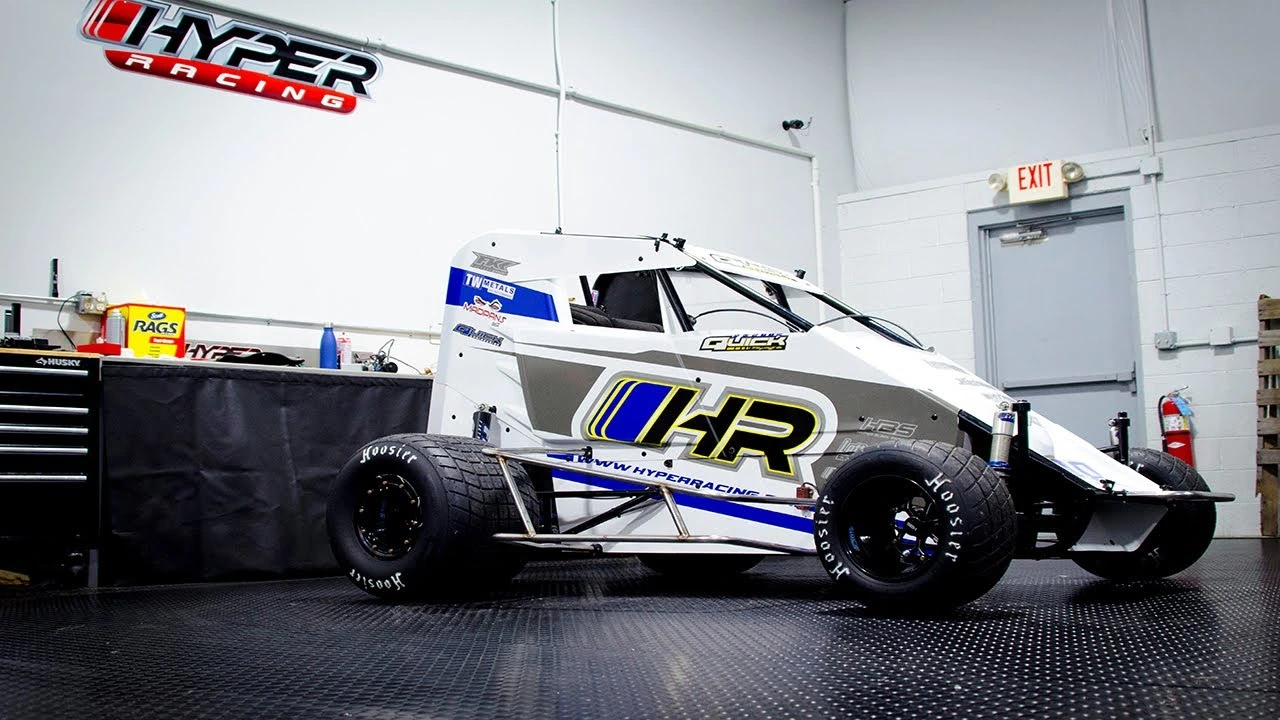
    A micro sprint car is a purpose-built, open-wheel race car designed for competition on small dirt or clay oval tracks. Think of it as a miniature version of the sprint cars you might see in major national series. They feature a similar design, with a protective roll cage, open cockpit, and aggressive look. However, they are smaller, lighter, and use different power plants. The most common type is the 600cc micro sprint car, which is powered by a side-mounted motorcycle engine.

    These cars provide an authentic racing experience, teaching drivers about car control, setup, and race craft on a smaller, more manageable scale. While they are smaller, they are incredibly fast, capable of reaching speeds of up to 100 mph on larger tracks. They are raced in various classes, often distinguished by engine size and whether or not they use wings for added downforce. The sport is popular in the USA, Canada, and Australia, known for its family-friendly atmosphere and competitive racing action.

    Different Names for the Same Thrill

    You might hear micro sprint cars referred to by several different names depending on your location. Some of the common terms include:

    • 600 Sprints
    • Micro Midgets
    • Modified Midgets
    • 600cc Micros

    It is important not to confuse them with “Mini Sprints.” That term historically referred to cars with 1000cc engines, which are now more commonly known as Lightning Sprints. The core of the micro sprint world revolves around the 600cc class.

    Core Components: Engines and Chassis

    The heart and soul of any race car are its engine and chassis. For a micro sprint car, these components are what define its performance and handling on the track. They are specifically designed to be lightweight yet durable enough to handle the rigors of dirt track racing.

    Understanding Micro Sprint Car Engines

    The most popular engine choice for this type of racing is a 600cc, four-cylinder, four-stroke motorcycle engine. These micro sprint car engines are chosen for their high power-to-weight ratio, reliability, and availability. Manufacturers like Yamaha, Suzuki, Kawasaki, and Honda produce engines that are commonly adapted for racing use.

    Most tracks require these engines to run on methanol alcohol instead of gasoline. Methanol provides several advantages: it burns cooler, which helps with engine longevity, and it produces more horsepower. Furthermore, it is considered a safer fuel in the event of a fire. Superchargers and turbochargers are typically not allowed, ensuring a level playing field focused on engine tuning and driver skill. While the 600cc class is dominant, some tracks also support smaller classes using 270cc or 125cc two-stroke engines.

    The Foundation: Micro Sprint Car Chassis

    The micro sprint car chassis is the skeleton of the vehicle. It is a custom-fabricated tube frame that includes the driver’s cockpit, roll cage, and mounting points for the suspension, engine, and body panels. Safety is the top priority in chassis design, with structures built to protect the driver during high-speed impacts and rollovers.

    Chassis builders like Hyper Racing and Concept Chassis are well-known in the industry for producing race-winning designs. A good chassis provides the right balance of rigidity and flex, allowing the suspension to work effectively. Teams can make numerous adjustments to the chassis and suspension to “dial in” the car for different track conditions, which is a key part of being competitive. The chassis is designed to be lightweight, with a complete car weighing between 750-800 pounds with the driver inside.

    Breaking Down a Micro Sprint Car: Key Parts

    Beyond the engine and chassis, numerous other components are essential for a functioning race car. Understanding these micro sprint car parts is crucial for maintenance, repairs, and performance tuning.

    Winged vs. Non-Winged Racing

    One of the most visible differences between micro sprint cars is the presence of a large wing on top.

    • Winged Micros: These cars use large front and top wings to create significant downforce. This downforce pushes the car onto the track, allowing for higher cornering speeds and more stable handling. Racing with a wing is often described as being more about momentum and precision.
    • Non-Winged Micros: Without wings, these cars have much less grip and are prone to sliding. Driving a non-wing car requires exceptional throttle control and car handling skills. It is often seen as a pure form of driver-centric racing.

    Many tracks run both winged and non-winged classes, allowing drivers to compete in either style.

    Essential Micro Sprint Car Parts

    Here is a list of other vital components that make up a complete micro sprint car:

    • Suspension: This includes shock absorbers, torsion bars, and radius rods that connect the wheels to the chassis. A properly tuned suspension is critical for maintaining grip on changing dirt surfaces.
    • Drivetrain: A chain drive transfers power from the side-mounted engine to the rear axle. Teams can change gearing easily by swapping sprockets to match track size.
    • Tires and Wheels: Specific tire compounds and sizes are used for dirt racing. Tire selection and preparation can make or break a race night.
    • Brakes: High-performance disc brakes are essential for slowing the car down into the corners.
    • Safety Equipment: This includes a full-containment racing seat, a multi-point harness, a fire suppression system, and driver-worn gear like a helmet and fire-retardant suit.

    Getting Started in Micro Sprint Racing

    The accessibility of micro sprint racing makes it an attractive option for newcomers. Whether you’re a young driver moving up from karts or an adult looking for a thrilling hobby, the path to getting on track is straightforward.

    How Fast and How Much?

    Two of the first questions people ask are about speed and cost. A 600cc micro sprint car can reach speeds between 70-85 mph on typical 1/6 to 1/4-mile tracks. On larger ovals, they can even hit 100 mph.

    In terms of cost, micro sprint racing is more affordable than many other forms of motorsport. A used, race-ready car can be found for as little as $5,000 to $8,000. A new, top-tier competitive car might cost over $20,000. Ongoing costs include tires, fuel, maintenance, and engine rebuilds, which are significantly cheaper than those for larger sprint cars. An engine rebuild might cost between $800 and $2,000 and is only needed every 20-40 races.

    Finding a Track and a Class

    The first step is to visit a local track that hosts micro sprint races. Buy a pit pass and walk around. Talk to the drivers and crews; the community is generally friendly and willing to share information. This is the best way to understand the culture and learn what it takes.

    Tracks offer different classes to accommodate various skill levels and ages:

    • Restrictor Class: This is a beginner class for young drivers, typically starting around 8-10 years old. A restrictor plate is placed on the engine to limit its horsepower, making the cars easier to handle.
    • Stock (A-Class): This is the most popular class, using stock 600cc micro sprint car engines.
    • Outlaw Class: This class allows for more extensive engine modifications, including larger displacement (up to 640cc), resulting in more horsepower and higher speeds.

    Driver Development and Notable Names

    Micro sprint racing is widely regarded as one of the best training grounds for aspiring professional drivers. The skills learned—such as car control, reading a track, and making quick decisions in traffic—are directly transferable to midgets, full-sized sprint cars, and even NASCAR.

    Many of today’s racing superstars cut their teeth in micro sprint cars, including:

    • Kyle Larson
    • Christopher Bell
    • Chase Briscoe
    • Tyler Courtney
    • Hailie Deegan

    These drivers often return to their micro sprint roots to have fun and keep their skills sharp, which speaks volumes about the quality of the competition.

    Micro Sprint Car Specifications Table

    To give you a clearer picture, here is a breakdown of the typical specifications for a 600cc micro sprint car.

    SpecificationDetails
    Engine Type600cc, 4-Cylinder, 4-Stroke Motorcycle Engine
    Horsepower120-160 HP (Stock/Outlaw)
    FuelMethanol Alcohol
    Drive SystemChain Drive
    ChassisTubular Steel Frame with Integrated Roll Cage
    Weight750-800 lbs (with driver)
    Track SurfacePrimarily Dirt/Clay, Occasionally Asphalt
    Top Speed70-100 mph (depending on track size)
    Primary ClassesRestrictor, Stock (Winged/Non-Wing), Outlaw

    Conclusion

    The micro sprint car offers one of the most exciting and accessible forms of motorsport available today. It combines high speeds, intense competition, and a strong sense of community into a package that is both a destination for weekend racers and a launching pad for future stars. From the roar of the micro sprint car engines to the precision required to navigate a slick dirt track, every aspect of this sport is designed for pure racing excitement. Whether you dream of becoming the next Kyle Larson or just want to experience the thrill of open-wheel racing yourself, the world of micro sprint cars is ready and waiting.

    Frequently Asked Questions (FAQ)

    How old do you have to be to race a micro sprint car?

    The starting age varies by track and class. The Restrictor class, designed for beginners, often allows drivers as young as 8 or 10 years old. For the more powerful stock classes, the minimum age is typically 12 or 14.

    Are micro sprint cars safe?

    Yes, safety is a top priority. A modern micro sprint car chassis is built with a strong roll cage. Drivers are required to use full-containment seats, five-point harnesses, helmets, and fire-retardant racing suits. Tracks also have safety crews on standby during events.

    What is the difference between a micro sprint and a go-kart?

    A micro sprint car is much closer to a full-sized race car than a go-kart. It features a full suspension, a more powerful side-mounted engine, and a complete roll cage. Go-karts are smaller, have no suspension, and are typically the first step for very young drivers before they move into classes like micro sprints.

    How much does it cost to maintain a 600cc micro sprint car?

    Maintenance costs are relatively low compared to other racing classes. A typical budget should account for fuel (methanol), tires (which can last several races), chain/sprocket replacements, and routine engine maintenance like oil changes. Engine rebuilds are a larger expense but are only needed periodically.

    Can I watch micro sprint races online?

    Yes! The popularity of micro sprint racing has grown significantly, and many events are now available via live streaming services. Platforms like FloRacing, DirtVision, and Fast Four Media regularly broadcast major micro sprint events from across the country, making it easy to follow the action.

  • Sprinter Boxwood Buxus: The Guide for Your Garden

    Sprinter Boxwood Buxus: The Guide for Your Garden

    Are you looking for a fast-growing, low-maintenance, and beautiful evergreen for your garden? The sprinter boxwood buxus might be the perfect plant for you. This exceptional shrub offers the classic elegance of a boxwood but with improved features that make it a standout choice for modern landscapes.

    It provides year-round interest with its glossy green leaves and maintains a neat, upright shape with minimal effort. Whether you’re designing a formal hedge, creating a foundation planting, or adding structure to a container garden, this versatile plant delivers. This guide will cover everything you need to know about growing and caring for this fantastic shrub.

    Understanding the Sprinter Boxwood Buxus

    The sprinter boxwood buxus is a specific cultivar of Buxus microphylla, also known as Japanese boxwood. It was developed as an improved version of the popular ‘Winter Gem’ boxwood. The main goal was to create a plant with a faster growth rate, allowing gardeners to establish hedges and fill spaces more quickly. It succeeded, offering not just speed but also excellent hardiness and a naturally upright, dense growth habit.

    This means you get the lush, full look you want in less time. Its attractive, glossy foliage remains vibrant throughout the year, adding consistent color and texture to your landscape even in the depths of winter. This makes the boxwood buxus microphylla sprinter a reliable and rewarding choice.

    What Makes It Special?

    So, why choose a sprinter boxwood buxus over other varieties? Its key advantages lie in its genetics. It was bred to overcome some of the common drawbacks of older boxwood types. It’s more than just a fast grower; it’s a robust and adaptable plant. This shrub holds its deep green color well through cold weather, resisting the “bronzing” that can affect other evergreens.

    Its upright habit means it requires less pruning to maintain a tidy shape, saving you time and effort. Additionally, it shows good resistance to common pests and diseases, including some tolerance to boxwood blight. The combination of speed, hardiness, and low maintenance makes the buxus sprinter boxwood an excellent investment for any gardener seeking reliable performance and lasting beauty.

    Ideal Growing Conditions for Your Sprinter Boxwood Buxus

    To ensure your sprinter boxwood buxus thrives, providing the right environment is key. Fortunately, this plant is quite adaptable and can succeed in a variety of conditions. By meeting its basic needs for light, soil, and water, you can enjoy a healthy, vibrant shrub for years to come. Proper placement from the start will minimize future maintenance and help the plant reach its full potential. Let’s explore the optimal conditions for this versatile evergreen.

    Sunlight Requirements

    One of the best features is its flexibility with sunlight. It can grow in a range of light conditions, from full sun to partial shade.

    • Full Sun (6+ hours): Planting in full sun will encourage the fastest and densest growth. This is ideal if you are trying to establish a hedge or screen quickly.
    • Partial Shade (4-6 hours): It also performs beautifully in locations that receive morning sun and afternoon shade. This can be beneficial in hotter climates, as the afternoon shade can protect the leaves from scorching.
    • Full Shade (less than 4 hours): While it can tolerate shadier spots, its growth may become less dense and a bit slower.

    For best results, aim for a location that receives at least four to six hours of direct sunlight each day. This balance ensures vigorous growth without stressing the plant.

    Soil and Water Needs

    Proper soil and watering are crucial for the health of your sprinter boxwood buxus live evergreen shrub. This plant prefers moist, but well-drained soil. It does not like to have “wet feet,” as soggy conditions can lead to root rot. If you have heavy clay soil, amend it with compost or other organic matter to improve drainage. When you first plant your shrub, water it deeply and consistently to help it establish a strong root system.

    Once established, it has average water needs. Water it regularly, especially during hot, dry periods. A good rule of thumb is to check the soil; if the top inch or two is dry, it’s time to water. Applying a layer of mulch around the base of the plant can help retain soil moisture and regulate temperature.

    How to Plant Your Sprinter Boxwood Buxus

    Planting it correctly is the first step toward a healthy, long-lasting shrub. The process is straightforward, but taking a few extra moments to do it right pays off. The best times to plant are in the spring or fall, as the cooler temperatures reduce transplant shock and allow the roots to establish before the stress of summer heat or winter cold.

    Step-by-Step Planting Guide

    1. Dig the Hole: Dig a hole that is twice as wide as the plant’s root ball and just as deep. The width allows the roots to spread out easily.
    2. Prepare the Plant: Gently remove the sprinter boxwood buxus microphylla from its container. If the roots are tightly bound, carefully loosen them with your fingers to encourage them to grow outward into the new soil.
    3. Position the Plant: Place the plant in the center of the hole. The top of the root ball should be level with or slightly above the surrounding ground. Planting too deep can cause the stem to rot.
    4. Backfill the Soil: Fill the hole with the soil you removed, gently tamping it down to eliminate any large air pockets. Avoid packing the soil too tightly.
    5. Water Thoroughly: Water the newly planted shrub deeply to settle the soil and hydrate the roots. This is a critical step for a successful start.

    Spacing Your Shrubs

    Proper spacing is important, especially if you are creating a hedge. For a dense hedge, space your sprinter boxwood buxus plants about 2 to 3 feet apart, measuring from the center of each plant. This allows them to grow together and form a continuous green wall. If you are using them as individual specimen plants, give them at least 4 to 5 feet of space so their natural, upright form can be appreciated.

    Caring for Your Sprinter Boxwood Buxus

    Once it is in the ground, it requires minimal care to stay healthy and look its best. Its easy-going nature is one of its most appealing qualities. Following a simple routine of fertilizing and pruning will keep your shrub thriving season after season.

    Fertilizing for Healthy Growth

    To support its fast growth and vibrant foliage, you can fertilize your sprinter boxwood buxus in the early spring. Use a balanced, slow-release fertilizer formulated for trees and shrubs. This will provide a steady supply of nutrients throughout the growing season. Applying fertilizer just as new growth begins gives the plant the boost it needs to produce lush, green leaves. Always follow the instructions on the product label for the correct application rate. A single spring feeding is usually sufficient for the entire year.

    Pruning and Shaping

    One of the significant advantages of the buxus sprinter boxwood is that it needs very little pruning to maintain its shape. Its natural habit is dense and upright. However, you can prune it to encourage a more formal shape or to control its size. The best time to prune is in late spring or early summer, after the first flush of new growth has hardened off. You can perform a light shearing to create a neat hedge or trim any errant branches to maintain a tidy appearance. Avoid heavy pruning late in the season, as this can stimulate new growth that may be damaged by an early frost.

    Common Uses in Landscape Design

    The versatility makes it a favorite among gardeners and landscape designers. Its combination of evergreen foliage, manageable size, and tidy habit allows it to fit into numerous garden styles and functions.

    • Formal Hedges: Its dense growth and quick establishment make it an excellent choice for creating low, formal hedges that define garden beds or walkways.
    • Foundation Plantings: Placed along the foundation of a house, it provides year-round structure and greenery without growing large enough to block windows or overwhelm the space.
    • Container Gardens: The sprinter boxwood buxus live evergreen shrub performs well in pots and containers, where it can serve as an elegant, upright “thriller” element.
    • Specimen Plants: A single Sprinter Boxwood can be used as a focal point in a small garden bed or to add vertical interest.
    • Mass Plantings: Planting them in large groups creates a beautiful, textured groundcover on slopes or in wide-open areas.

    Its consistent performance and classic look ensure that the boxwood buxus microphylla sprinter adds value and beauty wherever it is planted.

    Dealing with Pests and Diseases

    While the sprinter boxwood buxus is a hardy plant, no shrub is completely immune to problems. Being aware of potential issues can help you act quickly to protect your plant. The most common concerns for boxwoods are boxwood leafminers, psyllids, and fungal diseases like boxwood blight. Sprinter has shown better resistance than many older varieties, but it’s still wise to monitor your plants.

    Ensure good air circulation by not overcrowding plants. Water at the base of the shrub to keep the foliage dry, which helps prevent fungal growth. If you notice signs of pests, such as cupped leaves or yellowing, consult your local garden center for appropriate treatment options. A healthy, well-cared-for plant is always the best defense against pests and diseases.

    Conclusion

    The sprinter boxwood buxus is truly a superior shrub that offers something for every gardener. Its fast growth rate, beautiful evergreen foliage, and excellent hardiness make it a top-tier choice for a wide range of landscape applications. Whether you need a quick-forming hedge, an elegant foundation plant, or a structured container element, this plant delivers with grace and reliability.

    By providing it with the right growing conditions and basic care, you can enjoy the timeless beauty of this Buxus microphylla cultivar for many years. It is an easy-to-grow plant that rewards you with a lush, green presence all year long.

    Important Points to Remember

    • It’s a fast-growing, improved version of ‘Winter Gem’ boxwood.
    • Grows 2-4 feet tall and wide, with an upright habit.
    • Thrives in full sun to partial shade.
    • Prefers moist, well-drained soil.
    • Excellent for hedges, foundation plantings, and containers.
    • Resistant to deer and salt.
    • Requires minimal pruning but can be shaped in early summer.

    Frequently Asked Questions (FAQ)

    1. How fast does Sprinter Boxwood Buxus grow?
    The sprinter boxwood buxus has a faster growth rate than many other boxwood varieties. While the exact rate depends on growing conditions, you can expect it to establish itself and fill in much more quickly than traditional cultivars, making it ideal for hedges.

    2. Is the Sprinter Boxwood Buxus deer resistant?
    Yes, one of the great benefits of this shrub is its resistance to deer. While no plant is completely deer-proof, deer tend to avoid boxwoods, making the buxus sprinter boxwood an excellent choice for areas with high deer populations.

    3. Does this boxwood have the typical boxwood smell?
    The sprinter boxwood buxus microphylla is a Japanese boxwood, which is known for having little to no odor compared to its English boxwood cousins. This makes it a more pleasant choice for planting near patios, windows, or entryways.

    4. Can I grow Sprinter Boxwood Buxus in a container?
    Absolutely! The sprinter boxwood buxus live evergreen shrub does very well in containers. Its upright habit and manageable size make it a perfect “thriller” for pot arrangements. Just ensure the container has good drainage and you water it regularly, as pots dry out faster than garden soil.

    5. What are the hardiness zones for this shrub?
    The boxwood buxus microphylla sprinter is quite hardy and is generally recommended for USDA Zones 5 through 9. This wide range makes it suitable for a majority of climates across the United States.

  • Hicetnunc Art: The Rise, Fall, and Rebirth of a Creative Revolution

    Hicetnunc Art: The Rise, Fall, and Rebirth of a Creative Revolution

    Once upon a time in the digital world, there was a special place for artists. It was called Hic et Nunc, which is Latin for “Here and Now.” This platform changed the game for creators, especially those who felt left out of the traditional art scene. This article explores the world of hicetnunc art, a movement that showed everyone how powerful a community can be. It was a unique space on the internet where anyone could create and sell digital art without high costs or gatekeepers.

    The platform was built on the Tezos blockchain, known for being more environmentally friendly. This made it possible for artists from all over the world, especially from the Global South and queer communities, to share their work. Even though the original site suddenly shut down, its spirit lives on. We will dive into what made hicetnunc art so special, what happened to the original platform, and where you can find its legacy today. This story is about more than just technology; it’s about creativity, community, and the ongoing quest for a more open and inclusive art world.

    The Vision Behind Hicetnunc Art

    Hicetnunc was launched in March 2021 by a Brazilian developer named Rafael Lima. His vision was simple yet powerful: create a truly open and democratic marketplace for digital artists. At the time, the NFT world was dominated by expensive platforms built on the Ethereum blockchain. This created a high barrier to entry for many creators. Lima wanted to build something different. He chose the Tezos blockchain because of its low energy consumption and minimal transaction fees, often called “gas fees.” This choice made it incredibly cheap to “mint,” or create, an NFT. Artists could mint their work for just a few cents, opening the door for countless people who had been previously excluded.

    The platform was designed to be radically inclusive. There were no curators deciding whose art was worthy. Anyone with a creative idea could mint and sell their work. This permissionless system attracted a diverse global community. Artists who felt marginalized by the mainstream art world found a home at Hicetnunc. The focus was on the hicetnunc art itself, not on hype or high prices. This grassroots approach fostered a supportive and experimental environment where creativity flourished. The name “Here and Now” perfectly captured the platform’s ethos of immediate, unfiltered artistic expression.

    What Made Hicetnunc Different?

    Hicetnunc stood out from the crowded NFT space for several key reasons. Its core philosophy was accessibility for all. While other platforms felt exclusive, Hicetnunc was open and welcoming. The ultra-low minting costs on the Tezos blockchain were a major draw. Artists no longer needed to spend hundreds of dollars just to put their work on the blockchain. This feature alone democratized the creation of hicetnunc art nft pieces, making it a viable option for artists in developing countries or those with limited financial resources. The platform’s minimalist design also put the art front and center, creating a clean, gallery-like experience for both creators and collectors.

    Another unique aspect was its decentralized nature. Artworks were stored on the InterPlanetary File System (IPFS), a distributed network for storing and sharing data. This meant that even if the main website went down, the art itself would remain safe and accessible on the blockchain. This security gave artists peace of mind. The community culture was also special. Events like #OBJKT4OBJKT encouraged artists to trade their works with each other, fostering connections and mutual support. This was a stark contrast to the speculative, profit-driven nature of many other NFT marketplaces.

    The Tezos Blockchain: An Eco-Friendly Choice

    One of the biggest criticisms of early NFTs was their environmental impact. The Ethereum blockchain, which powered most major NFT platforms at the time, used a Proof-of-Work (PoW) system. This system required massive amounts of computational power, leading to a significant carbon footprint. The team behind hicetnunc art made a conscious decision to use the Tezos blockchain instead. Tezos operates on a Proof-of-Stake (PoS) consensus mechanism. This method is vastly more energy-efficient, using over two million times less energy than PoW blockchains like Bitcoin or Ethereum at that time.

    This eco-friendly approach was a huge selling point for many artists and collectors. They could participate in the NFT revolution without feeling guilty about harming the planet. The choice of Tezos aligned perfectly with the platform’s inclusive and forward-thinking values. It showed that it was possible to build a thriving digital art ecosystem that was also sustainable. This commitment to the environment helped attract a community that was not just interested in making money, but also in building a better, more responsible future for digital art. The low energy use made the hicetnunc art movement feel more ethical and accessible.

    Understanding Proof-of-Stake vs. Proof-of-Work

    To understand why Tezos was a game-changer, it helps to know the difference between Proof-of-Work and Proof-of-Stake. Proof-of-Work, used by Bitcoin and early Ethereum, involves “miners” solving complex mathematical puzzles to validate transactions and create new blocks. This process is a race that requires immense electrical power. The first miner to solve the puzzle gets rewarded. This competitive system is secure but incredibly wasteful.

    Proof-of-Stake, on the other hand, works differently. Instead of miners competing, network participants called “validators” are chosen to create new blocks based on the number of coins they “stake,” or lock up, as collateral. This system removes the need for energy-intensive computations. Because of this, PoS is much kinder to the environment. The decision to build hicetnunc.art on Tezos was a pioneering move that set a new standard for sustainability in the NFT space. It proved that blockchain technology could evolve to address its environmental shortcomings.

    The Sudden Shutdown and Community Response

    In November 2021, the Hicetnunc community received a shock. The founder, Rafael Lima, abruptly shut down the website. The homepage was replaced with a cryptic message, and the platform that had become a vibrant hub for thousands of artists was suddenly gone. The reason for the shutdown was never fully clarified, but it was rumored to be related to the stress of managing such a rapidly growing platform. Without any warning, the central point of access for the hicetnunc art community disappeared, leaving many artists and collectors in a state of confusion and panic.

    What happened next was a powerful demonstration of community strength. Because the art and transaction data were stored on the decentralized Tezos blockchain and IPFS, nothing was truly lost. The community quickly rallied together. Developers and artists worked to create “mirrors” of the original site, preserving the data and functionality. Within days, several new platforms emerged, built on the same smart contract and community spirit. This event highlighted the resilience of a decentralized system. The hicetnunc art movement was never just about a single website; it was about the people and the principles behind it. The shutdown proved that the community could survive and thrive even without its original leader.

    The Legacy Lives On: Successor Platforms

    The spirit of Hicetnunc did not die with the original website. It evolved. The community-led effort to preserve the platform gave rise to several successors that carry on its legacy. These new platforms are often referred to as part of the “Hic et Nunc ecosystem.” They are built on the same open-source code and connect to the same blockchain data, ensuring a seamless transition for artists and collectors. Many of these platforms are governed by the community itself, fulfilling the original vision of a truly decentralized art marketplace.

    These successors continue to champion the values of inclusivity, accessibility, and sustainability. They offer low-cost minting on the Tezos blockchain and support a wide range of creative expressions. The community remains active and supportive, with artists collaborating and sharing their work across social media. The story of hicetnunc art became a powerful lesson in Web3 resilience. It showed that when a community is truly empowered, it can overcome any obstacle and continue to build the future it believes in.

    FeatureHicetnunc (Original)Successor Platforms (e.g., Teia)
    BlockchainTezos (Proof-of-Stake)Tezos (Proof-of-Stake)
    Minting CostVery Low (often <$1)Very Low (often <$1)
    GovernanceFounder-ledCommunity-governed (DAOs)
    EthosInclusive, Accessible, ExperimentalInclusive, Accessible, Community-driven
    StorageIPFS (Decentralized)IPFS (Decentralized)
    StatusDiscontinued (Nov 2021)Active and Evolving

    How to Get Started in the Hicetnunc Ecosystem

    Are you an artist or collector inspired by the story of hicetnunc art? Getting involved in its successor platforms is easy. The process is similar to how it worked on the original site. The first step is to get a digital wallet that supports the Tezos blockchain. These wallets act like your bank account and digital identity in the Web3 world. They allow you to store cryptocurrency and interact with decentralized applications, including NFT marketplaces. You will use your wallet to buy, sell, and mint NFTs.

    Once your wallet is set up, you’ll need to buy some Tezos (XTZ), the native cryptocurrency of the Tezos blockchain. XTZ is used to pay for transaction fees, which are very low on Tezos. You can purchase XTZ on most major cryptocurrency exchanges. After buying XTZ, you’ll transfer it to your personal Tezos wallet. With your wallet funded, you are ready to connect to a marketplace and start your journey. The community is known for being friendly and helpful to newcomers, so don’t be afraid to ask questions.

    Step 1: Set Up a Tezos Wallet

    The first thing you need is a Tezos-compatible wallet. There are several great options available, each with its own features. Some popular choices include:

    • Temple Wallet: A user-friendly browser extension wallet, similar to MetaMask for Ethereum. It’s easy to install and use.
    • Kukai Wallet: A web-based wallet that allows you to log in with your social media accounts, making it very accessible for beginners.
    • AirGap Wallet: A mobile-first wallet that offers enhanced security by allowing you to use an old smartphone as an offline storage device.

    When you create your wallet, you will be given a “seed phrase” or “recovery phrase.” This is a list of 12 or 24 words. It is extremely important to write this down and store it in a safe, offline location. This phrase is the only way to recover your wallet if you forget your password or lose access to your device.

    Step 2: Buy Tezos (XTZ)

    After setting up your wallet, you need to acquire some Tezos (XTZ). You can buy XTZ from a reputable cryptocurrency exchange. Some well-known exchanges where you can purchase Tezos are:

    • Coinbase
    • Kraken
    • Binance

    You will need to create an account on one of these exchanges and complete their verification process. Once your account is ready, you can buy XTZ using your local currency. After purchasing the XTZ, you will withdraw it from the exchange and send it to your personal Tezos wallet address. Your wallet address is a long string of letters and numbers that acts as your public identifier on the blockchain.

    Step 3: Choose a Marketplace

    With your wallet funded, it’s time to explore the marketplaces that inherited the hicetnunc art spirit. These platforms are the modern-day hubs for the community. Some of the most popular successors include:

    • Teia.art: One of the most direct and community-governed successors to the original Hicetnunc.
    • Objkt.com: The largest and most comprehensive NFT marketplace on Tezos, which also aggregates listings from other platforms.
    • hicetnunc.art: The original domain is now back online and points to a community-run version of the platform.

    Visit these sites and connect your wallet. This is usually done by clicking a “Connect Wallet” or “Sync” button on the website. Once connected, you can browse art, mint your own creations, and interact with the community.

    Conclusion

    The story of hicetnunc art is a remarkable chapter in the history of digital creativity. It began with a vision for a more open, inclusive, and sustainable art world. It quickly grew into a global movement, empowering thousands of artists to share their work without barriers. The platform’s sudden shutdown could have been the end, but instead, it became a testament to the power of a decentralized community. The artists, developers, and collectors rallied together, proving that the spirit of Hicetnunc was not tied to a single website but lived in the hearts of its members.

    Today, the legacy of hicetnunc art continues to thrive through its successor platforms. The core values of accessibility, sustainability, and community governance remain strong. For anyone looking to enter the world of NFTs, the Tezos ecosystem that grew from Hicetnunc offers a welcoming and authentic starting point. It’s a space where art is celebrated for its creativity and where connections between people matter more than profits. The “Here and Now” movement showed that when you give people the tools to create and connect, they will build something beautiful and resilient.


    A list of Important points

    • Hicetnunc was a groundbreaking NFT art platform launched in 2021 on the Tezos blockchain.
    • It prioritized accessibility with very low minting fees, opening doors for global artists.
    • The platform was built on the energy-efficient Proof-of-Stake Tezos blockchain.
    • The community was known for being inclusive, experimental, and supportive.
    • The original site was abruptly shut down by its founder in November 2021.
    • Due to its decentralized nature, the community quickly created successor platforms.
    • The legacy of Hicetnunc lives on through community-governed marketplaces like Teia.art.

    Different Style Bullet Points

    • ► The name “Hic et Nunc” is Latin for “Here and Now.”
    • ► It championed artists from the Global South and marginalized communities.
    • ► The platform’s minimalist design put the focus squarely on the artwork.
    • ► Community events like #OBJKT4OBJKT fostered a culture of trading and collaboration.
    • ► The choice of Tezos was a deliberate move towards environmental sustainability in the NFT space.

    Frequently Asked Questions (FAQ)

    What is hicetnunc art?

    Hicetnunc art refers to the digital artwork and the cultural movement that originated on the Hic et Nunc NFT platform. It is known for its diversity, accessibility, and focus on community over commercialism. The art was minted on the eco-friendly Tezos blockchain, making it affordable for creators worldwide.

    Is hicetnunc.art still active?

    The original hicetnunc.art website was shut down by its founder in late 2021. However, the domain has since been revived by the community and now directs users to a community-run mirror of the platform. The broader ecosystem is very active, with several successor platforms carrying on the original mission.

    Hicetnunc’s popularity came from its radically inclusive and low-cost model. It removed the financial and curatorial barriers that existed on other NFT platforms. This attracted a diverse, global community of artists and collectors who valued creativity, experimentation, and mutual support. Its use of the green Tezos blockchain was also a major draw.

    How do I buy a hicetnunc art nft?

    To buy a hicetnunc art nft, you need a Tezos wallet (like Temple or Kukai) and some Tezos (XTZ) cryptocurrency. You can then visit a successor marketplace like Teia.art or Objkt.com, connect your wallet, browse for art, and purchase the pieces you like. The process is straightforward and the transaction fees are minimal.

  • Mastering the Business Formal Dress Code

    Mastering the Business Formal Dress Code

    Navigating the world of professional attire can sometimes feel like learning a new language. With terms like business casual, smart casual, and business professional, it’s easy to get confused. However, one dress code stands as the pinnacle of workplace sophistication: business formal. This style is reserved for the most important professional occasions, where making a powerful and polished first impression is crucial. Whether you’re a recent graduate preparing for a big interview or a seasoned executive attending a corporate gala, understanding the nuances of business formal attire is key to presenting yourself with confidence and authority.

    This comprehensive guide will break down everything you need to know about the business formal dress code. We will explore its core principles, provide detailed advice for both men and women, and differentiate it from other common workplace attire. By the end, you’ll have a clear understanding of how to dress for success and command respect in any high-stakes professional environment.

    Key Takeaways

    • Business formal is the highest level of professional dress, reserved for crucial meetings, interviews, corporate events, and conservative workplaces.
    • The foundation of this dress code is a well-tailored suit in a dark, neutral color like black, navy, or charcoal gray.
    • For men, a complete look includes a dark suit, a light-colored dress shirt, a conservative tie, leather dress shoes, and minimal accessories.
    • For women, options include a pantsuit, skirt suit, or a conservative dress, paired with closed-toe shoes and tasteful jewelry.
    • The key principles are fit, quality fabric, conservative color choices, and impeccable grooming.

    What Exactly is Business Formal Attire?

    Business formal is a traditional dress code that communicates professionalism, respect, and seriousness. It’s the expected attire in highly corporate environments like law firms, financial institutions, and government offices. It is also the go-to choice for significant events such as board meetings, client presentations, award ceremonies, and formal company dinners. Think of it as the professional equivalent of black-tie evening wear.

    The primary goal of business formal attire is to project a polished and authoritative image. The clothing is typically conservative, prioritizing structure and sophistication over trends. Every element, from the fit of the suit to the shine of the shoes, contributes to a cohesive and powerful look. Mastering this dress code shows that you understand and respect the corporate culture you are in, signaling that you are a serious and competent professional. It removes any ambiguity about your commitment and readiness for the task at hand.

    When is Business Formal Attire Required?

    Knowing when to don your most professional outfit is half the battle. Here are some common scenarios that call for business formal wear:

    • Corporate Job Interviews: Especially in conservative industries like finance, law, or consulting.
    • Important Client Meetings: When meeting with high-value clients or making a significant pitch.
    • Presentations to Leadership: When presenting to the executive team or board of directors.
    • Formal Networking Events: At industry conferences or professional association meetings.
    • Company Award Ceremonies: During evening events or galas celebrating professional achievements.
    • Conservative Office Environments: In workplaces where a suit and tie (for men) or a suit (for women) is the daily standard.

    Unpacking Business Formal for Men

    For men, the business formal dress code is straightforward and classic. The focus is on quality, fit, and timeless pieces. Adhering to these guidelines ensures you will always look sharp and ready for any professional challenge. While it may seem restrictive, there is still room for subtle personal expression through well-chosen accessories and details.

    A business formal men‘s wardrobe is an investment. High-quality pieces not only look better but also last longer, providing value over many years. When you dress in a well-fitted, quality suit, you feel more confident, which can positively impact your performance. Let’s break down the essential components of a man’s business formal outfit.

    The Cornerstone: The Suit

    The suit is the foundation of the business formal look. The most important aspects are the color and the fit.

    • Color: Stick to dark, conservative colors. Navy blue, charcoal gray, and black are the safest and most professional choices. These colors convey authority and are universally accepted in formal business settings.
    • Fit: A well-tailored suit is non-negotiable. The jacket should fit snugly on the shoulders without pulling, and the sleeves should end just above the wrist bone, allowing about a half-inch of the shirt cuff to show. Trousers should have a clean line with a slight break at the shoe. Avoid suits that are too tight or too baggy.
    • Fabric: Choose high-quality materials like wool or a wool blend. These fabrics drape well, resist wrinkles, and look premium.
    • Style: A two-button, single-breasted suit is the most classic and versatile option. A three-piece suit, which includes a matching vest, can add an extra layer of formality and sophistication.

    The Essential Dress Shirt

    The dress shirt provides a crisp backdrop for your suit and tie.

    • Color: Light colors are standard. White is the most formal and classic choice, followed by light blue. These colors create a clean contrast with a dark suit.
    • Fabric: 100% cotton is the preferred material for its breathability and sharp appearance. Look for poplin or twill weaves.
    • Fit: The shirt should be well-fitted but not restrictive. The collar should comfortably button without pinching, and there should be no excess fabric billowing around the waist.

    The Tie and Accessories

    Your tie and accessories are where you can inject a bit of personality into your business formal attire.

    • Tie: Choose a high-quality silk tie in a conservative color or pattern. Solid colors like burgundy or navy, or subtle patterns like pindots or simple stripes, work best. Avoid loud colors, novelty patterns, or overly wide or skinny ties. The tip of your tie should end at the top of your belt buckle.
    • Shoes: Polished leather dress shoes are a must. Oxfords are the most formal option, with Derbys being a close second. Stick to black or dark brown shoes, ensuring they match your belt.
    • Belt: A simple leather belt that matches your shoes is essential. The buckle should be simple and understated.
    • Socks: Wear dark-colored dress socks that match your trousers. They should be long enough to ensure no skin is visible when you sit down.
    • Watch: A classic wristwatch with a leather or metal band is the perfect finishing touch.
    • Grooming: Pay close attention to personal grooming. A neat haircut, a clean shave or a well-trimmed beard, and clean nails are just as important as your clothing.

    A Guide to Business Formal for Women

    The business formal women dress code offers more variety than its male counterpart, but the underlying principles of professionalism, modesty, and sophistication remain the same. The goal is to create a look that is powerful, polished, and distraction-free. A business formal dress for ladies should convey confidence and competence through elegant and well-coordinated pieces.

    The key is to select high-quality fabrics, ensure an impeccable fit, and choose conservative styles. While there are more options available, it’s important to steer clear of anything too flashy, revealing, or casual. The focus should be on you and your professional capabilities, not just your outfit.

    Building Your Business Formal Wardrobe

    Here’s a breakdown of the key elements for a polished business formal dress for women.

    The Power Suit

    A tailored suit is the most powerful statement in a woman’s professional wardrobe. It can be either a pantsuit or a skirt suit.

    • Pantsuit: A matching blazer and tailored trousers create a sharp, modern look. The trousers can be straight-leg, wide-leg, or slightly tapered, as long as they are well-fitted and professional.
    • Skirt Suit: This consists of a matching blazer and skirt. The skirt should be a conservative length, typically at or just above the knee. A classic pencil skirt or an A-line skirt are excellent choices.
    • Color and Fabric: As with men’s suits, dark, neutral colors like black, navy, and charcoal are ideal. High-quality fabrics such as wool, crepe, or a seasonless stretch blend will ensure your suit looks professional and holds its shape.

    The Sheath Dress

    A structured sheath dress is another excellent option for business formal settings.

    • Style: Choose a knee-length dress with a modest neckline (such as a boat neck or high scoop neck) and sleeves (cap sleeves or longer).
    • Color: Solid, neutral colors are best. A simple black, navy, or gray dress can be paired with a matching blazer for a complete suit-like look.
    • Fit: The dress should be tailored to skim your figure without being tight or revealing.

    Blouses and Tops

    The top worn under your blazer should be simple and elegant.

    • Material: Opt for high-quality fabrics like silk, cotton, or a refined synthetic blend. Avoid sheer or overly casual materials like jersey.
    • Color and Pattern: Solid, neutral colors such as white, ivory, or soft pastels are always a safe bet. If you choose a pattern, ensure it is subtle, like a delicate pinstripe.
    • Style: Choose a blouse with a modest neckline. Button-down shirts and simple shells work well. Avoid low-cut tops, camisoles with spaghetti straps, or anything that exposes too much skin.

    Footwear and Hosiery

    Your shoes complete the outfit and should be both professional and comfortable.

    • Shoes: Closed-toe pumps or heeled loafers in a neutral color like black, navy, or nude are the standard. The heel height should be manageable—typically no higher than three inches. Ensure your shoes are polished and in good condition.
    • Hosiery: In very conservative environments, neutral or flesh-toned pantyhose are often expected, especially when wearing a skirt or dress.

    Accessories and Grooming

    Accessories should be minimal and tasteful.

    • Jewelry: Opt for simple, classic pieces like stud earrings, a delicate necklace, or a single bracelet. Avoid large, noisy, or distracting jewelry.
    • Handbag: Carry a structured leather tote or handbag in a neutral color.
    • Grooming: A polished look includes neat hair styled away from the face, manicured nails with a neutral polish, and natural-looking makeup.

    Business Formal Attire Comparison

    CategoryBusiness FormalBusiness ProfessionalBusiness Casual
    Men’s SuitDark, matching suit (black, navy, charcoal)Suit or sports coat and trousersNo suit required
    Men’s ShirtWhite or light blue dress shirtDress shirt (colors/patterns okay)Collared shirt, polo, or sweater
    Men’s TieConservative silk tie requiredTie is recommendedTie is optional
    Men’s ShoesBlack or dark brown leather OxfordsLeather dress shoesLoafers, dress shoes, clean sneakers
    Women’s SuitMatching pantsuit or skirt suitCoordinated separates, dress and blazerSkirt or slacks with a blouse
    Women’s TopSilk or cotton blouseBlouse or knit sweaterMore casual tops, knits
    Women’s DressStructured sheath dress, often with a blazerTailored dressMore relaxed dress styles
    Women’s ShoesClosed-toe pumps (modest heel)Pumps, loafers, or flatsWider variety including open-toed shoes

    Important Points to Remember

    To perfect your business formal look, keep these key principles in mind:

    • Prioritize Fit: Ill-fitting clothes, whether too tight or too loose, look unprofessional. Invest in tailoring to ensure your garments fit perfectly.
    • Invest in Quality: High-quality fabrics not only look better but also last longer. Choose natural fibers like wool and cotton whenever possible.
    • Stick to Neutral Colors: Black, navy, charcoal gray, and white should be the foundation of your business formal wardrobe.
    • Keep it Conservative: Avoid overly trendy items, loud patterns, or revealing cuts. The goal is to look polished and professional, not to make a fashion statement.
    • Grooming is Key: Your clothing is only part of the equation. Ensure your hair, nails, and overall personal hygiene are impeccable.
    • Check for Details: Before you leave the house, make sure your clothes are clean, pressed, and free of wrinkles. Your shoes should be polished and scuff-free.

    Conclusion

    The business formal dress code is the ultimate standard in professional presentation. It is designed to project an image of confidence, competence, and respect in high-stakes corporate settings. While it may seem strict, its guidelines are easy to follow once you understand the core principles. For men, a dark, well-tailored suit is the cornerstone, paired with a crisp dress shirt and conservative tie. For women, a pantsuit, skirt suit, or a structured dress in a neutral color offers a powerful and polished look.

    By investing in high-quality, timeless pieces and paying close attention to fit and grooming, you can master the business formal dress code and ensure you always make a lasting, positive impression. Dressing for success isn’t just about the clothes you wear—it’s about the confidence and authority they help you project.

    Frequently Asked Questions (FAQ)

    What is the main difference between business formal and business professional?

    Business formal is the most conservative dress code, requiring a full matching suit for both men and women. Business professional is slightly more relaxed, allowing for more color and pattern in shirts and blouses, and for women to wear coordinated separates instead of a matching suit.

    Are black suits appropriate for business formal?

    Yes, a black suit is appropriate for business formal settings, especially for evening events or in very conservative industries. However, charcoal gray and navy are often considered more versatile for daytime wear.

    Can women wear pants in a business formal setting?

    Absolutely. A tailored pantsuit is a perfectly acceptable and powerful option for business formal women. The key is that the pants are part of a matching suit and are well-tailored.

    Is it necessary to wear a tie with a business formal outfit for men?

    Yes, a tie is a non-negotiable component of the business formal men‘s dress code. Choose a conservative silk tie to complete the look.

    What kind of shoes are acceptable for a business formal dress for ladies?

    The best shoe choice is a closed-toe pump with a modest heel (no higher than three inches) in a neutral color like black, navy, or nude. Polished flats or heeled loafers can also be appropriate, depending on the specific workplace.

  • Forearm Tattoos for Men: The Complete Guide

    Forearm Tattoos for Men: The Complete Guide

    Forearm tattoos for men have become a popular way to showcase personal style and meaningful art. This prime location on the body offers a visible canvas that can be either flaunted or covered up depending on the situation. Whether you are considering your first tattoo or adding to your collection, the forearm provides a unique opportunity for self-expression. This guide will walk you through everything you need to know, from finding the perfect design to caring for your new ink. Getting a forearm tattoo is a big decision, and we’re here to help you make the right choice.

    Key Takeaways

    • Visibility and Versatility: Forearm tattoos are highly visible, making them a bold statement piece, but they can also be easily covered with long sleeves when needed.
    • Design Variety: The forearm is suitable for a wide range of designs, from intricate sleeves to simple, minimalist symbols.
    • Pain Levels: Pain is subjective, but the forearm is generally considered one of the less painful areas to get tattooed, especially the outer forearm.
    • Proper Aftercare is Crucial: Following a strict aftercare routine is essential for ensuring your tattoo heals well, stays vibrant, and avoids infection.
    • Placement Matters: The inner and outer forearm offer different canvases and levels of sensitivity, influencing the final look and experience.

    Why Choose a Forearm Tattoo?

    The forearm is one of the most sought-after spots for tattoos, and for good reason. Its visibility makes it an excellent place to display art that is important to you. Every time you look down at your arm, you’ll see a piece of your story. This constant visibility serves as a personal reminder of the meaning behind your ink. Furthermore, forearm tattoos for men are incredibly versatile. You can opt for a small, subtle design or go all out with a full sleeve that wraps around your arm.

    The shape of the forearm also lends itself well to various artistic styles. Long, flowing designs, like dragons or script, can follow the natural curve of the arm. Geometric patterns and portraits also fit well within this space. Because it’s an area you see often, it encourages you to choose a design that you truly love and will continue to appreciate for years to come. It’s a commitment to a piece of art that becomes a part of your daily life.

    The Appeal of Forearm Tattoos for Men

    For many men, the forearm is a symbol of strength and capability. Placing a tattoo here can enhance that feeling, turning the arm into a statement of identity. Popular forearm tattoos for men often include powerful imagery like animal portraits, mythological figures, or bold tribal patterns. These designs can represent personal values such as courage, wisdom, or family heritage. The placement allows for easy admiration, both by you and by others, making it a great conversation starter. This location allows you to share a piece of your personality without saying a word.

    When it comes to forearm tattoo ideas, the possibilities are nearly endless. Your choice of design should reflect your personality, interests, and the story you want to tell. Some people prefer designs with deep symbolic meaning, while others might choose something purely for its aesthetic appeal. It’s helpful to research different styles and artists to find what resonates with you. Remember, this is a permanent piece of art on your body, so take your time to choose a design you will be happy with for the long haul.

    Here are some popular categories to get you started.

    Geometric and Mandala Designs

    Geometric tattoos use shapes, lines, and patterns to create complex and visually stunning designs. They can be symmetrical and balanced, or abstract and chaotic. Mandalas, with their intricate, circular patterns, are a popular choice for their spiritual symbolism, representing balance and harmony. These designs look fantastic on the forearm because the flat, long surface allows the intricate details to be displayed clearly.

    Nature and Animal Tattoos

    Nature-inspired tattoos are timeless. From majestic mountains and serene forests to powerful animals like lions, wolves, or eagles, these designs connect you to the natural world. Each animal or element can carry its own meaning. A wolf might symbolize loyalty and family, while an owl can represent wisdom. Floral designs, once seen as more common for forearm tattoos for women, are now a popular choice for men, often integrated into larger, more complex pieces.

    Portrait and Realism Tattoos

    For those looking to honor a loved one or a personal hero, a realism portrait can be a powerful choice. These highly detailed tattoos require a skilled artist but result in a lifelike image on your skin. This style isn’t limited to people; realistic depictions of animals, statues, or objects can also make for a striking forearm tattoo. The key is to find an artist who specializes in realism to ensure the final piece is a true work of art.

    Tribal and Cultural Patterns

    Tribal tattoos have a rich history, with roots in Polynesian, Native American, and other indigenous cultures. These designs often feature bold, black lines, and symbolic patterns that can represent a person’s heritage, status, or personal journey. If you’re considering a tribal tattoo, it’s important to research its cultural significance and choose a design respectfully. These patterns flow beautifully with the muscles of the forearm, creating a powerful and dynamic look.

    Understanding Placement: Inner vs. Outer Forearm

    The forearm offers two primary canvases: the inner forearm and the outer forearm. Where you decide to place your tattoo can affect everything from pain level to visibility. Both are great options, but they offer slightly different experiences.

    The Inner Forearm

    The inner forearm is a more discreet location. The skin here is softer and more sensitive, which can make the tattooing process a bit more painful. However, it’s also a great spot for personal or meaningful tattoos that you may not want on constant display. Script, small symbols, and delicate line work look particularly good here. Because it’s less exposed to the sun, tattoos on the inner forearm tend to stay vibrant longer.

    The Outer Forearm

    The outer forearm is the classic placement. It’s highly visible and perfect for making a bold statement. The skin is tougher and there’s more muscle and bone beneath it, which generally makes it a less painful area to get tattooed compared to the inner forearm. This area is ideal for larger, more detailed pieces. Many popular forearm tattoos for men are placed here to be shown off.

    Pain Level: What to Expect from a Forearm Tattoo

    Pain is a major consideration for anyone getting a tattoo. The good news is that the forearm is generally considered one of the less painful places to get inked. However, pain is subjective and can vary based on your individual pain tolerance and the specific location on your forearm.

    Tattoo LocationAverage Pain Level (1-10)Notes
    Outer Forearm3-5The fleshy, muscular area is less sensitive.
    Inner Forearm5-7The skin is thinner and has more nerve endings.
    Wrist7-9Proximity to bone and thin skin makes this area more painful.
    Elbow Ditch8-10A very sensitive area with thin, stretchy skin.

    Most of the discomfort comes from the needle repeatedly piercing the skin. Areas with more fat and muscle tend to hurt less, while areas directly over bone or with thin skin are more sensitive. The inner forearm and the areas near the wrist and elbow will likely be the most tender spots.

    The Tattooing Process: From Consultation to Completion

    Getting a forearm tattoo is a multi-step process. It starts long before you sit in the artist’s chair.

    • Research and Consultation: Find an artist whose style matches your vision. Look through portfolios online and schedule a consultation. During the consultation, you’ll discuss your forearm tattoo ideas, placement, and size. The artist will give you a price estimate and schedule your appointment.
    • The Big Day: On the day of your tattoo, make sure you are well-rested, hydrated, and have eaten a good meal. The artist will first prepare the stencil and place it on your arm to ensure you’re happy with the positioning.
    • The Tattooing: Once you approve the placement, the artist will begin. For a medium-sized forearm piece, you can expect to sit for a few hours. Don’t be afraid to ask for breaks if you need them.
    • The Reveal: After the work is done, the artist will clean the area and wrap your new tattoo. This is the first step in the crucial aftercare process.

    Aftercare: Keeping Your Forearm Tattoo Looking Its Best

    Proper aftercare is essential for ensuring your tattoo heals correctly and looks great for years to come. Neglecting aftercare can lead to infection, fading, and a poor final result.

    Immediate Aftercare (First 24-48 Hours)

    Your artist will wrap your fresh tattoo. Keep this bandage on for the amount of time they recommend, usually a few hours. After removing the bandage, gently wash the tattoo with lukewarm water and a mild, unscented soap. Pat it dry with a clean paper towel—do not rub it.

    Healing Phase (First 2-4 Weeks)

    • Moisturize: Apply a thin layer of a recommended tattoo aftercare lotion or unscented moisturizer 2-3 times a day. Do not over-moisturize, as this can clog pores.
    • Avoid Soaking: Do not submerge your tattoo in water. This means no baths, swimming pools, or hot tubs until it’s fully healed. Showers are fine.
    • Sun Protection: Keep your tattoo out of direct sunlight. UV rays can fade the ink and damage the healing skin.
    • No Picking or Scratching: As your tattoo heals, it will start to scab and itch. It is critical that you do not pick at the scabs or scratch the area. Doing so can pull out ink and lead to scarring.

    Forearm Tattoos for Men vs. Forearm Tattoos for Women

    While art is for everyone, some design trends are more commonly associated with one gender over another. Forearm tattoos for men often lean towards bolder, larger pieces with themes of strength, power, and heritage. Common choices include wolves, lions, skulls, and geometric sleeves.

    In contrast, forearm tattoos for women frequently feature more delicate or ornamental designs. Popular ideas include floral patterns, fine-line script, mandalas, and nature scenes. However, these are just general trends. Many men choose delicate designs, and many women opt for bold, powerful imagery. The best tattoo is one that is meaningful to the person wearing it, regardless of convention.


    Important Points to Remember

    • Choose a Reputable Artist: Your artist’s skill is the most important factor in how your tattoo will turn out. Do your research.
    • Think Long-Term: Trends come and go, but a tattoo is permanent. Choose a design that you believe will remain meaningful to you.
    • Consider Your Career: While acceptance of tattoos is growing, some professions are still conservative. The ability to cover your tattoo with a sleeve is a key advantage of the forearm placement.
    • Budget Accordingly: Good tattoos are not cheap, and cheap tattoos are not good. You are investing in a permanent piece of art for your body.

    Conclusion

    Forearm tattoos for men are more than just a trend; they are a powerful form of self-expression. They offer a unique combination of visibility and concealability, making them a practical choice for modern life. From intricate forearm tattoo ideas to minimalist symbols, the possibilities are limitless. By choosing a design that resonates with you, finding a skilled artist, and following proper aftercare, you can get a stunning piece of art that you’ll be proud to wear for a lifetime. Your forearm can become a canvas for your story, a symbol of your journey, and a daily reminder of what’s important to you.

    Frequently Asked Questions (FAQ)

    How much do forearm tattoos for men cost?

    The cost of a forearm tattoo varies widely based on the artist’s hourly rate, the size and complexity of the design, and your geographic location. A small, simple design might cost $100-$300, while a large, detailed piece or the start of a sleeve could cost $1,000 or more.

    Can I work out after getting a forearm tattoo?

    It’s best to avoid strenuous exercise for at least a week after getting your tattoo. Sweat can irritate the healing skin, and friction from clothing or gym equipment can damage the tattoo. Stick to light activities until the initial healing phase is over.

    How long does a forearm tattoo take to heal?

    The surface of the tattoo will typically heal in 2-4 weeks. However, the deeper layers of skin can take up to 6 months to fully regenerate. During this time, it’s important to continue protecting your tattoo from the sun.

    Do forearm tattoos stretch?

    The skin on the forearm is relatively stable, so minor fluctuations in weight or muscle mass are unlikely to distort your tattoo significantly. Significant muscle gain could slightly alter the appearance, but it’s generally not a major concern for this placement.

    What is the best style for a first forearm tattoo?

    For a first tattoo, many people choose something of a small to medium size. This allows you to experience the process and pain level without a huge commitment. A simple symbol, a short quote, or a small geometric design are all great starting points for your first forearm tattoo.

  • Maybach Sprinter: The Ultimate Luxury Van Experience

    Maybach Sprinter: The Ultimate Luxury Van Experience

    When you hear the name Maybach, you likely think of supreme luxury and world-class sedans. But what happens when that level of opulence meets the unmatched versatility of a Mercedes-Benz Sprinter? The result is the Maybach Sprinter, a vehicle that redefines luxury travel. While Mercedes-Benz does not produce an official factory model, the term refers to a Mercedes Sprinter van customized by third-party experts to meet the highest standards of comfort and style. These incredible machines are less about getting from point A to point B and more about enjoying a first-class journey on wheels. They combine the reliable engineering of Mercedes with the bespoke luxury of Maybach, creating a rolling VIP lounge perfect for executives, celebrities, and discerning families.

    This article will explore the world of the Maybach Sprinter van. We will dive into what makes these vehicles so special, from their lavish interiors to their advanced technology. You will learn about the customization process, the different applications for these vans, and what sets them apart from any other vehicle on the road.

    Key Takeaways

    • A Maybach Sprinter is not an official model from Mercedes-Benz but a highly customized Mercedes Sprinter van modified by third-party upfitters.
    • These vans are customized to reflect the ultra-luxury standards associated with the Maybach brand.
    • Customizations focus on creating a lavish interior with features like reclining leather seats, advanced entertainment systems, and premium materials.
    • They are popular for executive transport, VIP shuttles, family travel, and as mobile offices.
    • The cost varies widely based on the level of customization, often reaching hundreds of thousands of dollars.

    What Exactly is a Maybach Sprinter?

    It is important to clarify a common point of confusion. Mercedes-Benz does not roll an official “Mercedes Maybach Sprinter van” off its assembly line. The Maybach nameplate, a sub-brand of Mercedes-Benz, is reserved for its most exclusive and luxurious sedans and SUVs, like the Maybach S-Class and GLS. These vehicles are built from the ground up with a focus on unparalleled comfort and refinement.

    So, what is a Maybach Sprinter? The term has become industry shorthand for a Mercedes-Benz Sprinter van that has been transformed by a specialized third-party company. These expert upfitters take a standard Sprinter—known for its space, reliability, and solid engineering—and completely overhaul the interior. They install amenities and design elements inspired by the official Maybach lineup, effectively creating a “Maybach-style” vehicle. This process turns a practical commercial van into a private jet for the road.

    The Role of Third-Party Customizers

    The magic behind the Maybach Sprinter van lies in the hands of skilled artisans and engineers at customization shops. These companies, often called upfitters, specialize in luxury vehicle conversions. They work with clients to design and build interiors that cater to their every desire. From intricate woodwork to custom-stitched leather, they bring the vision of a rolling five-star hotel to life. This bespoke approach ensures that no two Maybach Sprinters are exactly alike, offering a level of personalization that a factory model could never match.

    The Unmistakable Luxury of the Interior

    Stepping inside a Maybach Sprinter is like entering a different world. The standard, utilitarian interior of a commercial van is gone. In its place is a cabin designed for ultimate comfort and sophistication. The goal is to make passengers forget they are in a van and feel as if they are relaxing in a private lounge or the first-class cabin of an airplane. Every detail is meticulously planned and executed with the finest materials available.

    The layout is often completely reconfigured. Instead of rows of bench seats, you might find four to six large captain’s chairs. These are not just any chairs; they are fully-electric, reclining seats, often with heating, cooling, and massage functions. They are upholstered in premium leathers, sometimes with custom diamond-stitching patterns reminiscent of official Maybach vehicles. The walls and ceiling are typically lined with suede, Alcantara, or other high-end fabrics, adding to the plush, quiet environment.

    Seating and Comfort: A First-Class Experience

    The seating in a Maybach Sprinter is the centerpiece of its luxury. The goal is to provide unparalleled comfort, whether you are on a short trip across town or a long-distance journey.

    • Captain’s Chairs: Most conversions feature large, individual captain’s chairs that can swivel, recline fully, and offer leg rests.
    • Massage Functions: Built-in massage systems with multiple settings help passengers relax and arrive at their destination feeling refreshed.
    • Climate Control: Heating and ventilation are standard features for these seats, ensuring comfort in any weather.
    • Premium Materials: Only the finest materials are used, such as Nappa leather, which is known for its soft texture and durability.

    Craftsmanship and Materials

    The level of craftsmanship in a Mercedes Maybach Sprinter van is exceptional. Every surface is considered an opportunity for a touch of elegance. You will find custom wood trim made from exotic veneers, polished metal accents, and hand-stitched details throughout the cabin. The flooring is often upgraded to high-quality carpets or custom hardwood, and even the headliner receives special treatment, frequently featuring a “starlight” ceiling with hundreds of fiber-optic lights that mimic a starry night sky. This attention to detail creates a cohesive and immersive luxury experience.

    Technology and Entertainment on the Go

    A modern luxury vehicle is defined as much by its technology as it is by its materials. The Maybach Sprinter is a showcase of cutting-edge entertainment and connectivity features, turning the van into a mobile office or theater. These systems are seamlessly integrated into the cabin design, often hidden until they are needed.

    The centerpiece is usually one or more large-screen televisions. These high-definition screens can be mounted on a partition wall between the driver and passengers or even motorize down from the ceiling. They are connected to a state-of-the-art sound system, creating a true cinematic experience. Passengers can watch satellite TV, stream movies from services like Netflix, or connect their own devices. For those who need to stay productive, the van can be equipped with high-speed Wi-Fi, turning it into a fully functional mobile workspace.

    Integrated Entertainment Systems

    Entertainment is a key component of the Maybach Sprinter van experience. Passengers can enjoy a variety of media without ever leaving their seats.

    • Large-Screen TVs: Typically, you’ll find 4K smart TVs, sometimes as large as 50 inches, often on a motorized partition for privacy.
    • Surround Sound: Premium audio systems from brands like Burmester or Focal provide crystal-clear, immersive audio.
    • Gaming Consoles: Many conversions include built-in PlayStation or Xbox consoles for entertainment on long trips.
    • Smart Control: All of these features are often controlled through a central touchscreen tablet or an app, allowing passengers to adjust lighting, climate, and media with ease.

    Connectivity for Business and Pleasure

    Staying connected is non-negotiable for many clients who use a Maybach Sprinter. These vans are equipped to serve as a mobile office, ensuring productivity is never compromised. High-speed 5G Wi-Fi hotspots, multiple USB charging ports, and 110V outlets are standard. This allows passengers to power laptops, join video conferences, and stay in touch with the outside world, all while traveling in complete comfort and privacy.

    The Exterior: Subtle Style or Bold Statement?

    While the interior is the main attraction, the exterior of a Maybach Sprinter can also be customized. The approach can range from subtle and discreet to bold and eye-catching. Some owners prefer a stealthy look, keeping the exterior mostly stock so it blends in with other Sprinter vans. This “stealth wealth” approach allows for incognito travel without drawing unwanted attention.

    On the other hand, many owners want the exterior to reflect the luxury within. Customizations can include:

    • A unique front grille designed to mimic the look of an official Maybach vehicle.
    • Custom wheels and high-performance tires.
    • A full body kit with revised bumpers and side skirts.
    • Custom paint jobs, including two-tone color schemes that are a signature of the Maybach brand.

    These modifications give the Maybach Sprinter van a more commanding presence on the road, signaling that it is no ordinary van.

    Performance and Drivability

    Despite its luxurious interior and added weight, the Maybach Sprinter is still built on the highly capable Mercedes-Benz Sprinter platform. These vans are known for their strong performance and reliable engineering. They are typically powered by a robust diesel engine that provides ample torque to handle the extra weight of the conversion without feeling sluggish.

    The driving experience is smooth and controlled. Many upfitters add upgraded suspension systems to further enhance ride comfort, absorbing bumps and ensuring a serene cabin environment. While it is a large vehicle, modern driver-assist features like a 360-degree camera system, adaptive cruise control, and lane-keeping assist make it surprisingly easy to manage in various driving conditions. Some conversions are even based on the 4×4 Sprinter chassis, providing all-weather capability.

    Who Uses a Maybach Sprinter?

    The versatility and luxury of the Maybach Sprinter make it a popular choice for a wide range of applications. It is far more than just a family van; it is a multi-purpose luxury tool.

    Executive and Corporate Transport

    Companies use these vans as mobile boardrooms and for transporting VIP clients. The privacy partition allows for confidential discussions, and the comfortable seating ensures executives arrive at meetings relaxed and prepared.

    Celebrity and VIP Use

    For celebrities, athletes, and public figures, the Maybach Sprinter van offers a perfect blend of privacy and luxury. Tinted windows and a discreet exterior can help avoid paparazzi, while the opulent interior provides a comfortable sanctuary between public appearances.

    Luxury Family Travel

    For families who want to travel in ultimate comfort, the Maybach Sprinter is an ideal solution. It has plenty of space for kids and cargo, and the advanced entertainment systems can keep everyone occupied on long road trips. It is a significant upgrade from a traditional minivan or SUV.

    Bespoke Tour Operations

    High-end tour companies and hotels use these vans to offer their guests exclusive, private tours. It provides a level of comfort and class that elevates the entire travel experience.

    How Much Does a Maybach Sprinter Cost?

    As you might expect, this level of custom luxury does not come cheap. The final price of a Maybach Sprinter can vary dramatically based on the level of customization. The process starts with a new Mercedes-Benz Sprinter van, which can cost between $50,000 and $70,000.

    The conversion itself can add anywhere from $100,000 to over $400,000 to the total cost. The price depends on the materials, technology, and complexity of the build. A basic luxury conversion might be on the lower end, while a van with a full bathroom, kitchenette, and the highest-end electronics will be at the top of the range. Ultimately, the cost is determined by the client’s imagination and budget.

    Important Points to Remember

    • Unofficial Model: The Maybach Sprinter is a custom conversion, not a factory vehicle from Mercedes-Benz.
    • Expert Upfitters: These vans are created by specialized third-party companies that excel in luxury vehicle modification.
    • Unmatched Luxury: The interior is the star, featuring custom seating, high-end materials, and advanced technology.
    • Highly Versatile: They are used for everything from executive transport and VIP shuttles to luxury family road trips.
    • Significant Investment: The combination of a base van and extensive customization results in a final price that can easily exceed that of a high-end luxury sedan.

    Conclusion

    The Maybach Sprinter represents the pinnacle of luxury road travel. It takes the practicality and reliability of the Mercedes-Benz Sprinter and infuses it with the opulence and bespoke craftsmanship of the Maybach ethos. While not an official model, these custom-built vehicles offer an unmatched experience for those who demand the very best in comfort, technology, and privacy. Whether used as a mobile office for a busy executive, a private shuttle for a celebrity, or a first-class family cruiser, the Mercedes Maybach Sprinter van is more than just a mode of transportation—it is a destination in itself. It proves that you don’t need a private jet to travel in ultimate style.

    Frequently Asked Questions (FAQ)

    1. Can I buy a Maybach Sprinter directly from a Mercedes-Benz dealer?
    No, Mercedes-Benz does not manufacture or sell an official Maybach Sprinter. You would need to purchase a Mercedes-Benz Sprinter van and then work with a third-party customization company to create the Maybach-style conversion.

    2. How long does it take to build a custom Maybach Sprinter?
    The build time can vary significantly depending on the complexity of the conversion and the upfitter’s schedule. A typical project can take anywhere from three to nine months from design finalization to completion.

    3. Is the Maybach Sprinter reliable?
    Yes. The vehicle is built on the proven Mercedes-Benz Sprinter platform, which is known for its durability and reliability. Reputable upfitters use high-quality components and adhere to strict safety standards, ensuring the custom elements are as reliable as the van itself.

    4. Can a Maybach Sprinter have a bathroom?
    Absolutely. Many high-end conversions include a compact, fully functional bathroom, complete with a toilet and a sink. This feature is especially popular for those who plan to use the van for long-distance travel.

    5. How many people can a Maybach Sprinter van seat?
    The seating capacity depends entirely on the custom layout. Most luxury conversions are configured to seat between four and nine passengers to maximize individual space and comfort. Fewer seats generally allow for larger, more luxurious chairs and more amenities.

  • A Deep Dive into the Mercedes Sprinter Van Interior

    A Deep Dive into the Mercedes Sprinter Van Interior

    The Mercedes-Benz Sprinter van is known for its reliability, power, and iconic design. But what truly sets it apart is its incredibly versatile and customizable interior. Whether you’re a business owner needing a functional workspace, a large family requiring comfortable transport, or an adventurer building the camper of your dreams, the mercedes sprinter van interior offers a perfect canvas.

    This guide will walk you through everything you need to know, from standard features and cargo space to popular conversion ideas and essential accessories. We’ll explore the various layouts and options that make this van a top choice for so many different needs.

    The interior is where the magic happens. It’s a blank slate ready to be transformed. You can keep it simple for hauling cargo or deck it out with luxury finishes for executive transport. The possibilities are nearly endless, making the Sprinter a leader in the full-size van market.

    Key Takeaways

    • Versatility is Key: The Sprinter’s interior can be configured for cargo, passengers, or as a fully equipped camper.
    • Multiple Dimensions: It comes in different wheelbases and roof heights, allowing you to choose the perfect amount of space.
    • Comfort and Tech: Even the base models offer comfortable seating and modern technology, with many options for upgrades.
    • Endless Customization: The van is a favorite for “upfitters” who create custom solutions for business, travel, and luxury.
    • Safety First: Mercedes-Benz integrates advanced safety features into the design, protecting both drivers and passengers.

    Understanding the Standard Mercedes Sprinter Van Interior

    Before you start planning your custom build, it’s helpful to know what you get with a standard mercedes sprinter van interior. The base models are designed with practicality and durability in mind. The focus is on providing a functional and comfortable space for the driver and passengers. You will find that the materials used are tough and easy to clean, which is perfect for a work vehicle. The dashboard is modern and user-friendly, putting all essential controls within easy reach. This focus on ergonomics means less driver fatigue on long trips.

    Even in its most basic form, the Sprinter feels premium. The seats offer good support, and the cabin provides excellent visibility of the road. Standard features often include a high-quality multimedia system, USB-C ports for charging devices, and climate control to keep the cabin comfortable in any weather. The layout is spacious, allowing for easy movement between the driver’s area and the back of the van, a detail that many owners appreciate.

    The Driver’s Cockpit: Comfort Meets Technology

    Mercedes-Benz has put a lot of thought into the driver’s area. The seats are adjustable and designed for long-haul comfort. The steering wheel can often be equipped with controls for the audio system and phone, allowing you to keep your hands on the wheel and your eyes on the road. A key feature in newer models is the MBUX (Mercedes-Benz User Experience) infotainment system. This system features a high-resolution touchscreen display, intelligent voice control, and smartphone integration with Apple CarPlay and Android Auto. It transforms the cabin into a connected, smart workspace.

    Standard Seating and Upholstery

    The standard upholstery in a Sprinter is typically a durable fabric or hard-wearing synthetic leather like Caluma black cloth. These materials are chosen for their ability to withstand the daily wear and tear of commercial use. They are easy to clean and maintain, which is a major plus for busy professionals. For passenger models, the seating is designed to be both safe and comfortable, with ample legroom and easy access to each row. The seats are built to last, providing support for passengers on both short commutes and long road trips.

    Exploring Different Sprinter Van Configurations

    One of the greatest strengths of the Sprinter is the sheer number of configurations available. You can choose from different lengths, heights, and body styles to get the exact interior mercedes sprinter van space you need. This flexibility is why the Sprinter is so popular across various industries and with private owners.

    Cargo Van

    The Cargo Van is the ultimate workhorse. It offers the most expansive and open interior space, designed purely for hauling goods.

    • Maximum Space: The interior is a large, empty shell, ready for shelves, tools, or any cargo you need to transport.
    • Payload Capacity: It boasts an impressive payload capacity, allowing you to carry heavy loads without issue.
    • Floor and Walls: The floor is typically flat and durable, and the walls provide anchor points for securing your cargo.

    Crew Van

    The Crew Van is a smart hybrid. It combines passenger seating with a generous cargo area.

    • Best of Both Worlds: It typically features a removable three-seat bench behind the front seats, allowing you to carry up to five people.
    • Separated Areas: A partition often separates the crew area from the rear cargo space, ensuring safety and organization.
    • Versatile Use: This is perfect for trade professionals who need to transport a team and their equipment to a job site.

    Passenger Van

    The Passenger Van is designed to move people in comfort and style. It is a popular choice for shuttle services, large families, and tour operators.

    • High Capacity Seating: Depending on the configuration, it can comfortably seat up to 15 people.
    • Comfort Features: These vans often come with rear air conditioning, comfortable bench seats, and large windows for passengers.
    • Easy Access: Wide-opening doors and a low step-in height make it easy for passengers to get in and out.

    Cab Chassis

    The Cab Chassis offers the ultimate flexibility for custom builds. You get the Sprinter cab and a bare frame in the back. This allows you to add a custom box, flatbed, or other specialized body to meet very specific business needs, from delivery boxes to small RVs.


    Dimensions and Space: Roof Heights and Wheelbases

    The amount of usable space inside your Sprinter is determined by two main factors: the wheelbase and the roof height. Understanding these options is crucial for choosing the right van.

    Sprinter Wheelbase Options

    The wheelbase is the distance between the front and rear wheels. A longer wheelbase means a longer van and more interior floor space.

    • 144-inch Wheelbase: This is the standard, more maneuverable option. It’s easier to park and drive in city environments while still offering substantial interior room. It’s a popular choice for tradespeople and camper van builders who prioritize agility.
    • 170-inch Wheelbase: This option provides a significant increase in length, creating a massive interior space for cargo or more elaborate camper conversions.
    • 170-inch Extended Wheelbase: This is the largest option available, adding even more length to the rear of the van. It offers cavernous space, ideal for maximum cargo or creating a camper with distinct living zones.

    Understanding Roof Heights

    The interior height is just as important as the length, especially for camper conversions or if you need to stand up inside the van.

    • Standard Roof: This is the lowest roof option. While you can’t stand up straight inside (unless you’re very short), it’s great for fitting into garages and navigating areas with low clearance.
    • High Roof: This is the most popular option, particularly for camper vans. It allows most people to stand up comfortably inside, completely changing the feel of the space and making it much more livable.
    • Super High Roof: Available on some models, this offers the maximum possible interior height for those who need extra vertical space for storage or equipment.

    The Ultimate Canvas: Mercedes Sprinter Camper Van Interior

    The mercedes sprinter camper van interior is where creativity truly shines. The van’s reliability, space, and smooth ride make it the perfect base for building a mobile home. Van life enthusiasts and professional converters alike praise the Sprinter for its straightforward, boxy shape, which simplifies the building process. You can create a layout that includes a bed, kitchen, seating area, and even a bathroom.

    Common layouts include a fixed bed in the back with a “garage” storage area underneath for bikes and gear. The kitchen, or galley, is often placed along one of the walls, featuring a sink, a small stove, and a refrigerator. Seating is often created by installing a bench seat or using swivel seats in the driver’s cab that can turn to face the living area. The high-roof option is almost always chosen for camper conversions because it allows you to stand and move around freely, making the space feel less like a vehicle and more like a home.

    Essential Components of a Camper Conversion

    • Insulation and Sound Deadening: This is the first and most critical step. It keeps the van warm in the winter, cool in the summer, and reduces road noise.
    • Flooring: A subfloor is installed over the metal van floor, followed by a durable and stylish finished flooring like vinyl plank.
    • Electrical System: This is the heart of the van. It powers lights, fans, refrigerators, and outlets. Most systems use solar panels, a battery bank, and an inverter.
    • Kitchenette (Galley): This can be as simple as a camp stove on a counter or a full setup with a sink, running water, and an induction cooktop.
    • Sleeping Area: Options range from a fixed platform bed to a convertible dinette that turns into a bed.
    • Storage: Clever storage solutions like overhead cabinets, drawers, and under-bed storage are essential for keeping the small space organized.

    Comfort for Many: The 12 Passenger Mercedes Sprinter Van Interior

    The 12 passenger mercedes sprinter van interior is a masterclass in efficient and comfortable people-moving. This configuration is a popular choice for hotels, airport shuttles, and private tour companies. It typically features four rows of seating, including the driver and front passenger. The seats are designed for comfort, with enough legroom and elbow room to make even longer journeys pleasant.

    Safety is a top priority in these models. Each seat is equipped with a seatbelt, and the van includes features like large windows for visibility and emergency exits. The high roof is standard on most 12- and 15-passenger models, providing an open, airy feel and making it easy for passengers to move to their seats. Amenities like rear climate control ensure that everyone stays comfortable, regardless of where they are sitting. There is still a decent amount of luggage space behind the last row, making it practical for airport runs.


    Customization and Upfitting the Mercedes Benz Sprinter Van Interior

    The mercedes benz sprinter van interior is famously easy to customize, a process known as “upfitting.” Mercedes-Benz actively supports a network of certified upfitters who can transform a Sprinter for any purpose.

    Luxury and Executive Conversions

    For those seeking the ultimate in comfort and style, luxury conversions turn the Sprinter into a private jet on wheels. These builds feature:

    • Plush leather captain’s chairs with heating, cooling, and massage functions.
    • High-end entertainment systems with large-screen TVs and premium sound.
    • Custom cabinetry with exotic wood veneers.
    • A wet bar with a refrigerator and drink holders.
    • Ambient lighting to set the mood.

    Mobile Business Solutions

    Businesses are using Sprinters as mobile offices, workshops, and retail stores.

    • Mobile Workshop: Plumbers, electricians, and contractors install durable shelving, workbenches, and tool storage.
    • Mobile Office: Sales professionals and remote workers can have a desk, reliable internet, and comfortable seating to work on the go.
    • Pop-Up Shop: Boutiques and brands can create a mobile retail experience to take their products directly to customers at events and markets.

    Conclusion

    The mercedes sprinter van interior is a testament to thoughtful design and incredible versatility. It serves as a durable workhorse, a comfortable people-mover, and a blank canvas for the wildest of dreams. From the practical layout of the driver’s cockpit to the endless possibilities of a high-roof cargo bay, the Sprinter offers a solution for nearly every need. Whether you are building a business, planning cross-country adventures, or transporting a group in style, the Sprinter provides a reliable, comfortable, and highly customizable foundation to build upon. Its combination of space, performance, and premium feel ensures it will remain a leader in its class for years to come.


    Frequently Asked Questions (FAQ)

    1. Can you stand up inside a Mercedes Sprinter van?
    Yes, you can comfortably stand up inside a Sprinter van if you choose the high-roof or super-high-roof option. The standard roof is too low for most adults to stand upright.

    2. What is the most popular Sprinter model for a camper conversion?
    The most popular model for a mercedes sprinter camper van interior is the Cargo Van with the 144″ or 170″ wheelbase and the high roof. This combination provides a good balance of living space and maneuverability.

    3. How many people can a Mercedes Sprinter Passenger Van hold?
    A Sprinter Passenger Van can be configured to hold up to 15 people, including the driver. The 12-passenger configuration is also a very common and comfortable option.

    4. What is MBUX in a Sprinter van?
    MBUX stands for Mercedes-Benz User Experience. It is an advanced multimedia system that includes a touchscreen, voice control (“Hey, Mercedes”), smartphone integration, and navigation. It makes the driving experience more connected and intuitive.

    5. Are Sprinter van interiors difficult to customize?
    No, quite the opposite. The Sprinter’s boxy shape, flat floor, and available space make it one of the easiest vans to customize. There is also a massive community of DIY builders and professional upfitters who share plans, ideas, and products specifically for the Sprinter.